Setting Up Your Network Configuration for Wireless Router
Getting your new wireless router set up doesn't need to be complicated!
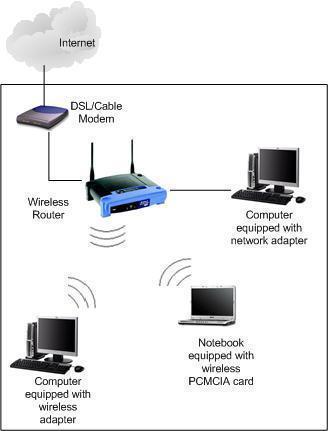
What You Need to Know Before Setting Up Your Wireless Router
Before you start, you will need to have the following essentials:
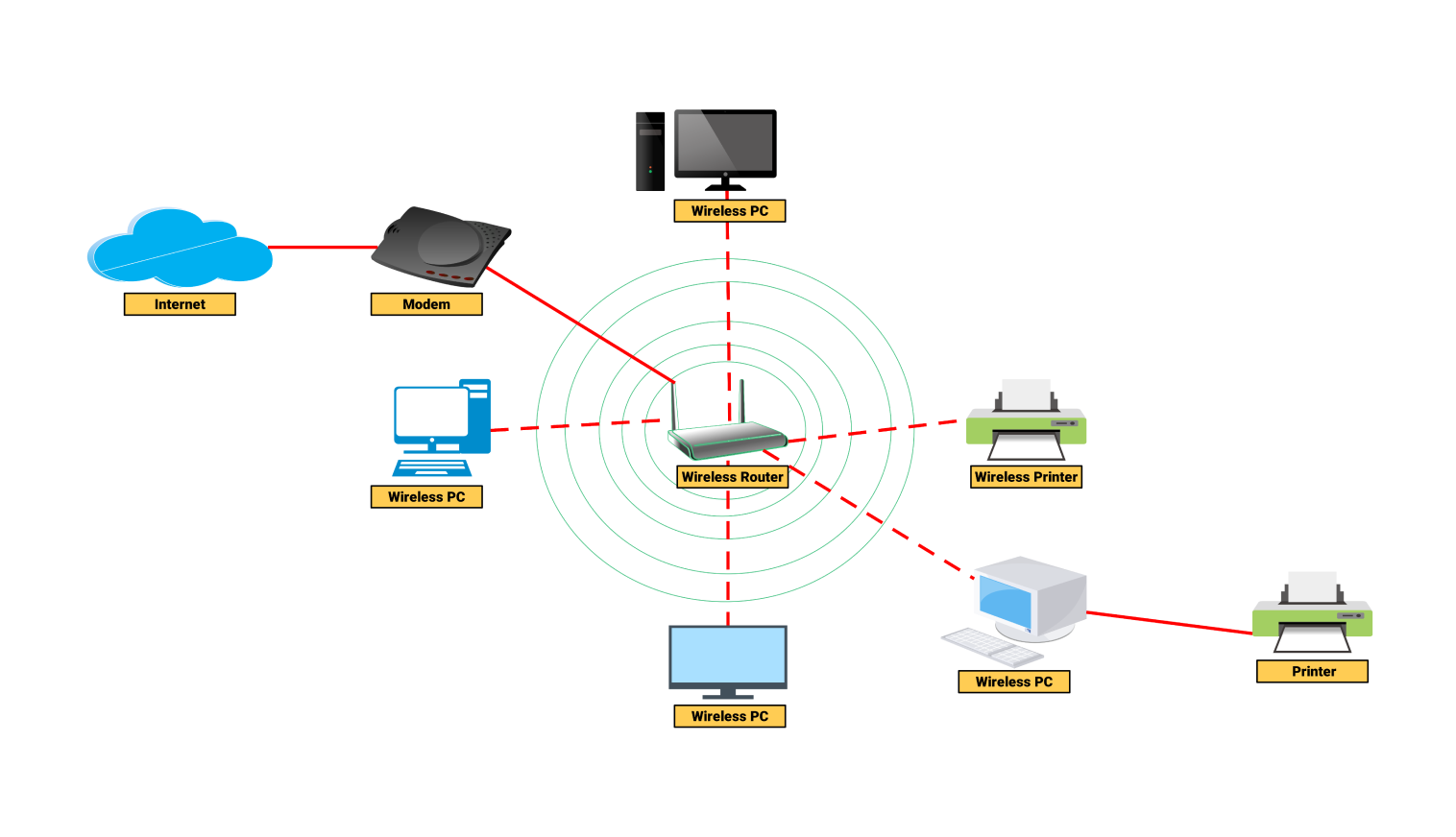
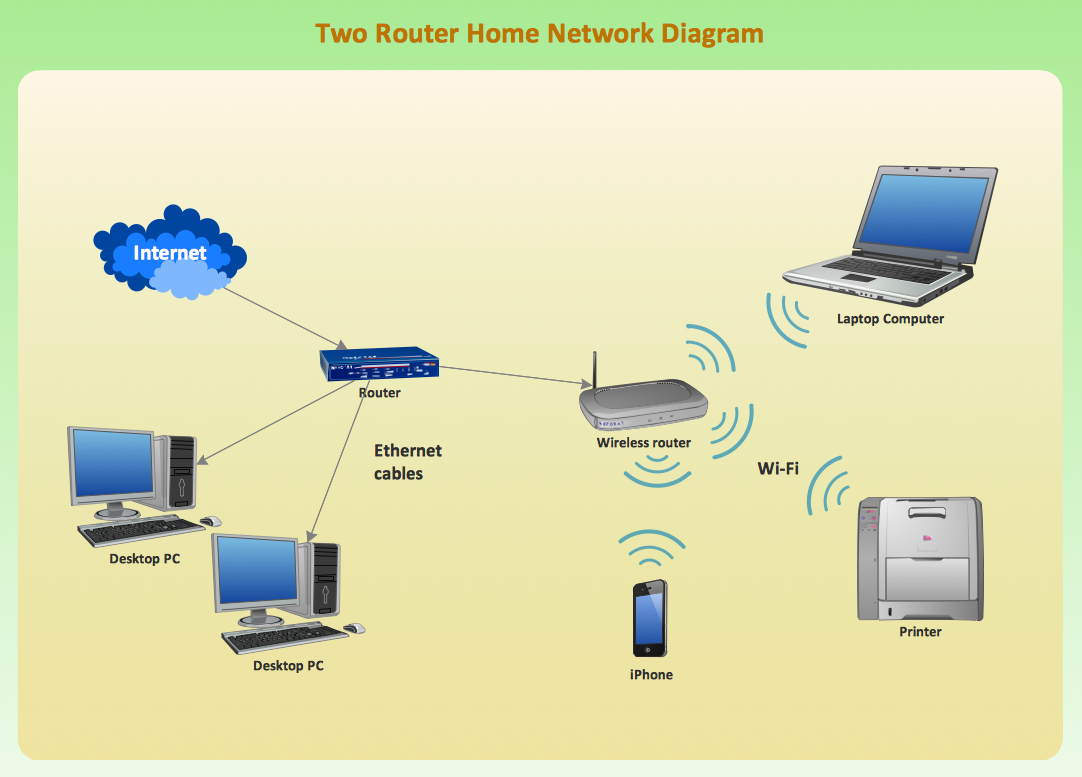
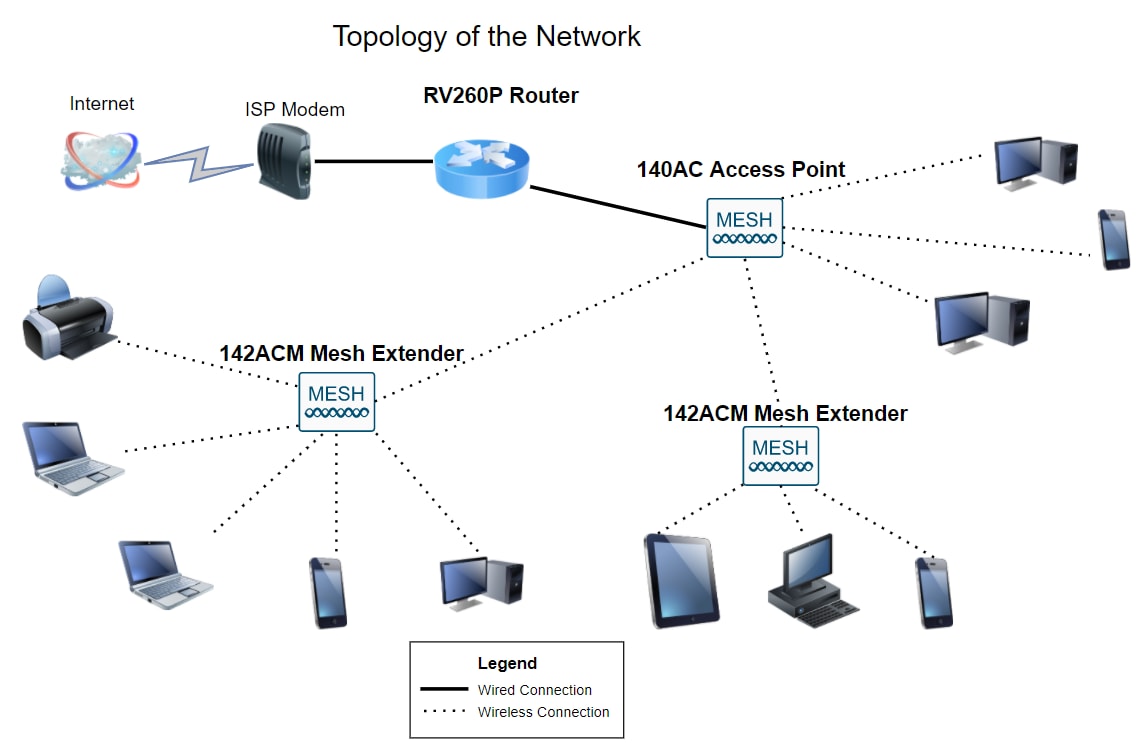
- Modem: This enables the Internet connectivity provided by your ISP.
- Wi-Fi Router: This will share your internet access wirelessly in every corner of your house.
Choosing the Right Location for Your Wireless Router
When it comes to setting up your wireless router, the location is crucial. Placing it in the right spot can make a huge difference in the quality of your Wi-Fi signal. Here are some tips to help you choose the perfect location:
- Central location: Place your router in a central location in your home to ensure that the signal is evenly distributed.
- Away from obstacles: Move your router away from any obstacles such as walls, furniture, and other electronic devices.
- On a stable surface: Make sure your router is on a stable surface to prevent it from falling over or being knocked off.
Testing Your Connections
Once you have placed your router in the right location, it's time to test your connections. Here are some steps to help you do so:
- Connect your device to the router: Use an Ethernet cable to connect your device to the router.
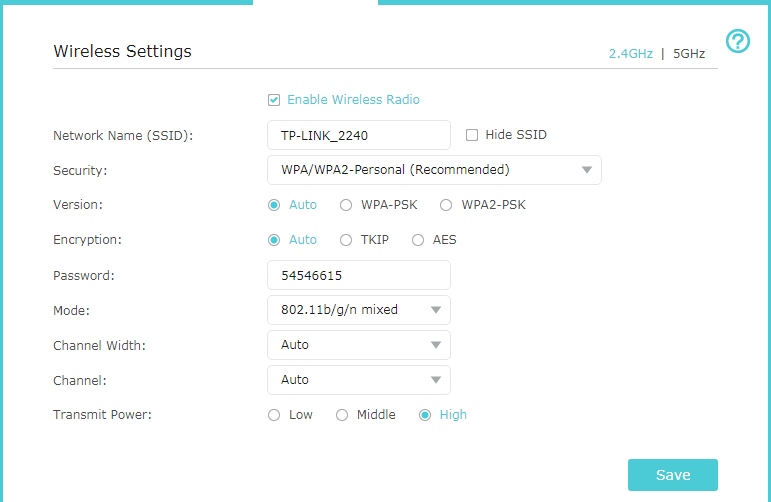
- Check the network name: Make sure the network name (SSID) is set to the correct name.
- Check the password: Enter the correct password to connect to the network.
- Test the speed: Use a speed test app to check the speed of your internet connection.
Securing Your Wireless Network
Securing your wireless network is crucial to prevent unauthorized access to your network. Here are some tips to help you do so:
- Change the default password: Change the default password to a strong and unique one. li>Enable WPA2 encryption: Enable WPA2 encryption to secure your network.
- Limit access: Limit access to your network by setting up a guest network.
- Regularly update the firmware: Regularly update the firmware to ensure that your router has the latest security patches.
Configuring Your Wireless Router
Once you have secured your wireless network, it's time to configure your router. Here are some steps to help you do so:
- Access the router settings: Access the router settings by typing the IP address of the router in a web browser.
- Change the router settings: Change the router settings such as the network name, password, and IP address.
- Configure the wireless settings: Configure the wireless settings such as the channel, frequency, and transmission power.
- Configure the network settings: Configure the network settings such as the IP address, subnet mask, and DNS server.
Troubleshooting Your Wireless Router
Even with the best setup and configuration, issues can still arise with your wireless router. Here are some common issues and their solutions:
- Slow internet speed: Check for any physical obstructions and restart the router.
- Connection issues: Restart the router and check the network settings.
- Security issues: Regularly check for firmware updates and change the password.
Conclusion
Setting up and configuring your wireless router is a crucial step in creating a reliable and secure home network. By following the steps outlined in this article, you can ensure that your wireless router is set up correctly and runs smoothly.
Here are some commonly asked questions and their answers:
- Q: How do I access the router settings?
- A: To access the router settings, type the IP address of the router in a web browser.
- Q: How do I change the network name and password?
- A: To change the network name and password, access the router settings and follow the on-screen instructions.
- Q: How do I configure the wireless settings?
- A: To configure the wireless settings, access the router settings and follow the on-screen instructions.
Final Thoughts
Setting up and configuring your wireless router is an essential step in creating a reliable and secure home network. By following the steps outlined in this article, you can ensure that your wireless router is set up correctly and runs smoothly.
Additional Resources
Here are some additional resources to help you set up and configure your wireless router:
- Router manual: Read the router manual to understand the settings and configuration.
- Online resources: Search for online resources and tutorials to help you configure your router.
- Manufacturer support: Contact the manufacturer for support and assistance with setting up and configuring your router.


/wireless-router-57ee8cea5f9b586c353f3e9f.jpg "How to Set Up and Optimize Your Wi-Fi Router for the Best ... - PCMag")


:max_bytes(150000):strip_icc()/3-5abcf226fa6bcc0036668782.png "The 5 Best Wi-Fi Routers of 2026 - RTINGS.com")