Ultimate Plant Identification Guide: Unlock the Secrets of Your Surroundings
As outdoor enthusiasts, botanists, and nature lovers, there's nothing quite like the thrill of exploring the great outdoors and discovering the incredible diversity of plants that surround us. But have you ever stumbled upon an unfamiliar plant and wished you knew its identity? Or perhaps you're a seasoned gardener looking to expand your knowledge of the flora around you? Look no further than our comprehensive Plant Identification Guide.
The Basics of Plant Identification
So, what do you need to know to become a proficient plant identifier? Here are the key characteristics to keep in mind:
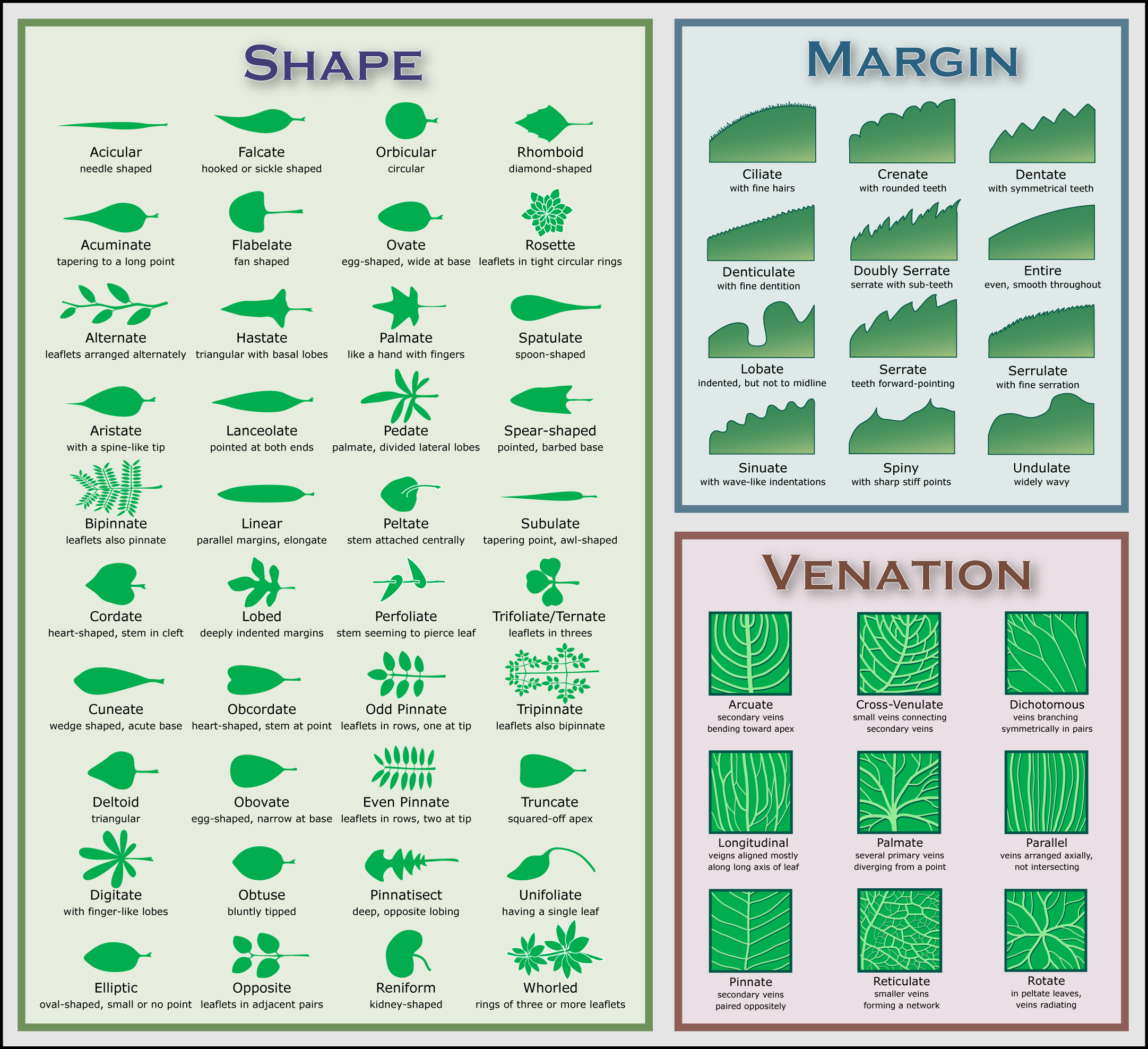
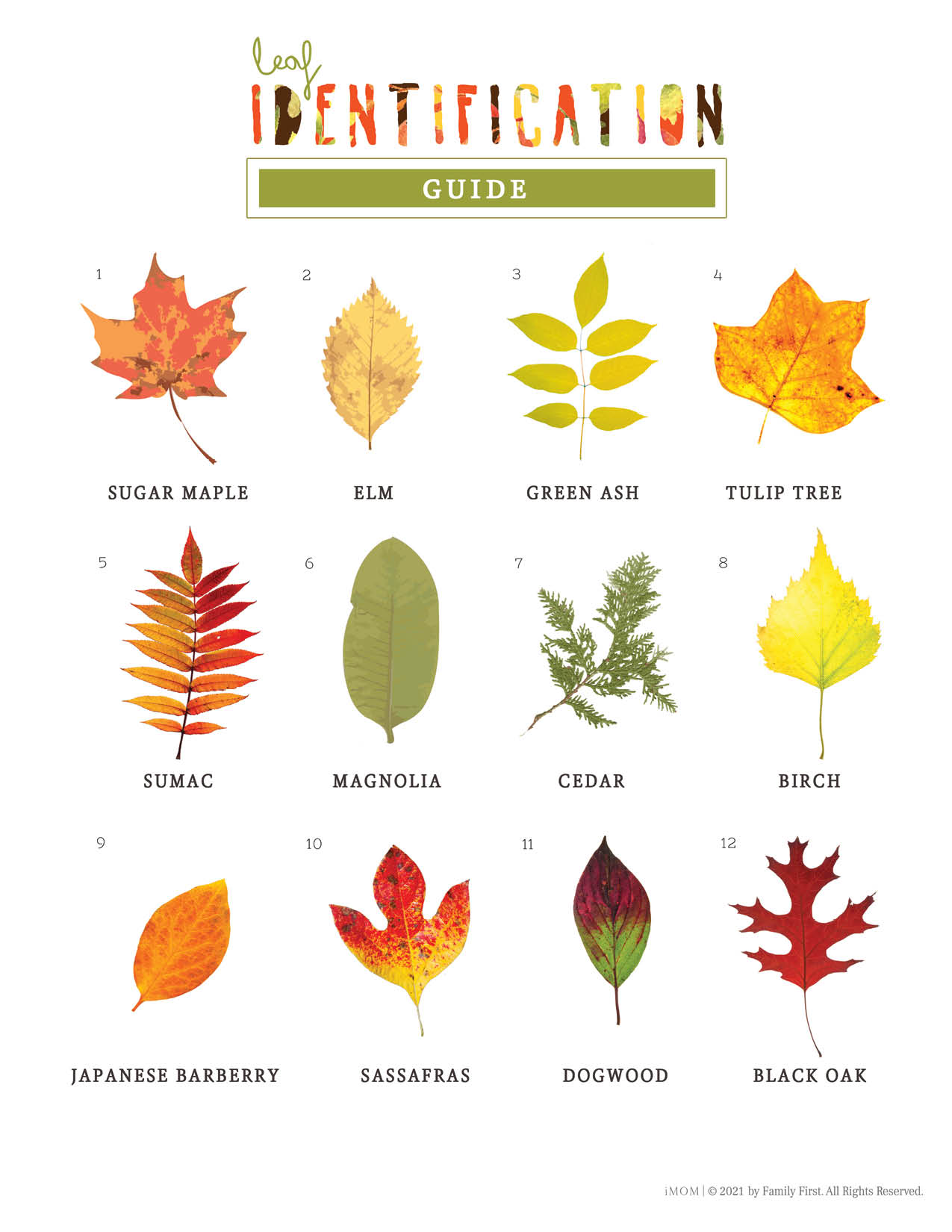
- Leaf shape and size: Observe the shape, size, and arrangement of leaves on the stem. Are they broad and flat, or narrow and linear?
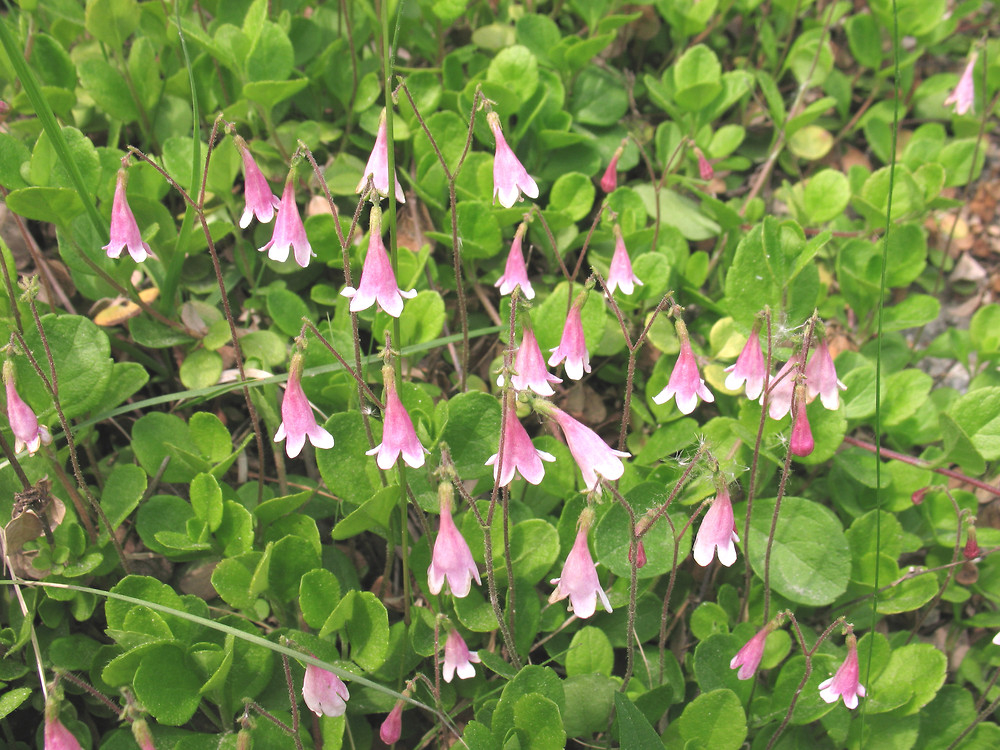
- Flower structure: Take note of the shape, color, and arrangement of flowers. Are they clustered or solitary, and do they have petals or sepals?
- Growth habit: Notice how the plant grows, whether it's upright, sprawling, or climbing.
- Stem and bark: Examine the color, texture, and pattern of the stem and bark. Are they smooth or observable?
- Root system: Consider the roots' appearance, if visible. Are they fibrous, taprooted, or adventitious?
Expert Resources for Plant Identification
Want to learn more about plant identification? Here are some top-notch resources to get you started:
- Check out the USDA Plants Database, a world-renowned resource for plant identification and information.
- Explore the Daves Garden website for plant and insect reference guides.
- Visit the NPPL headquarters for the largest plant identification database in the world.
Common Plant Families and How to Identify Them
From grass-like plants to flowering plants, here are common plant families and how to identify them:
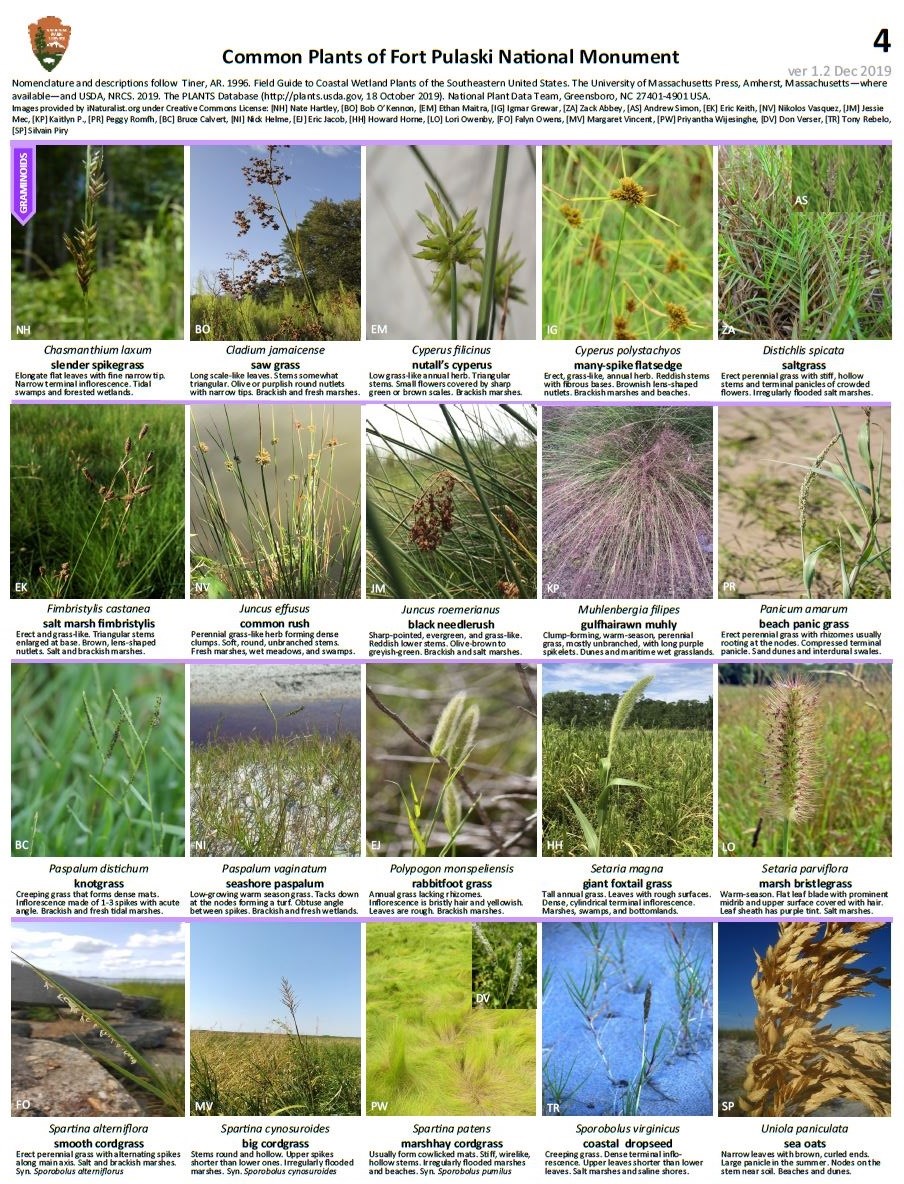
- Grasses, sedges, and other grass-like plants: Look for narrow blades and a tubular sheath around the stem, with inconspicuous flowers lacking obvious sepals and petals.
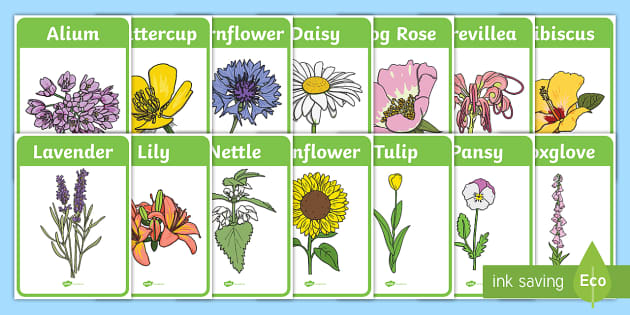
- Flowering plants: Search for showy flowers, often with petals and sepals, in a variety of colors and arrangements.
- Evergreen plants: Notice the retention of leaves year-round, and the waxy or hairy texture of leaves.
- Deciduous plants: Observe the seasonal shedding of leaves, often in autumn or winter.
Seedling Identification and Care
As any gardener knows, seedlings can be challenging to identify. But with these tips, you'll be well-equipped to tell your seedlings apart:
Listen to experienced gardeners and take notes on the key characteristics listed above. Practice makes perfect! Observe the rate of seedling growth and responses to the surrounding environment.
Understand that seedling features and germination characteristics overlap with mature plant characteristics, so attention to detail will help separate the different seedlings.
Examples of Plant Identification Guides and Resources
Some excellent resources to explore for more information include:
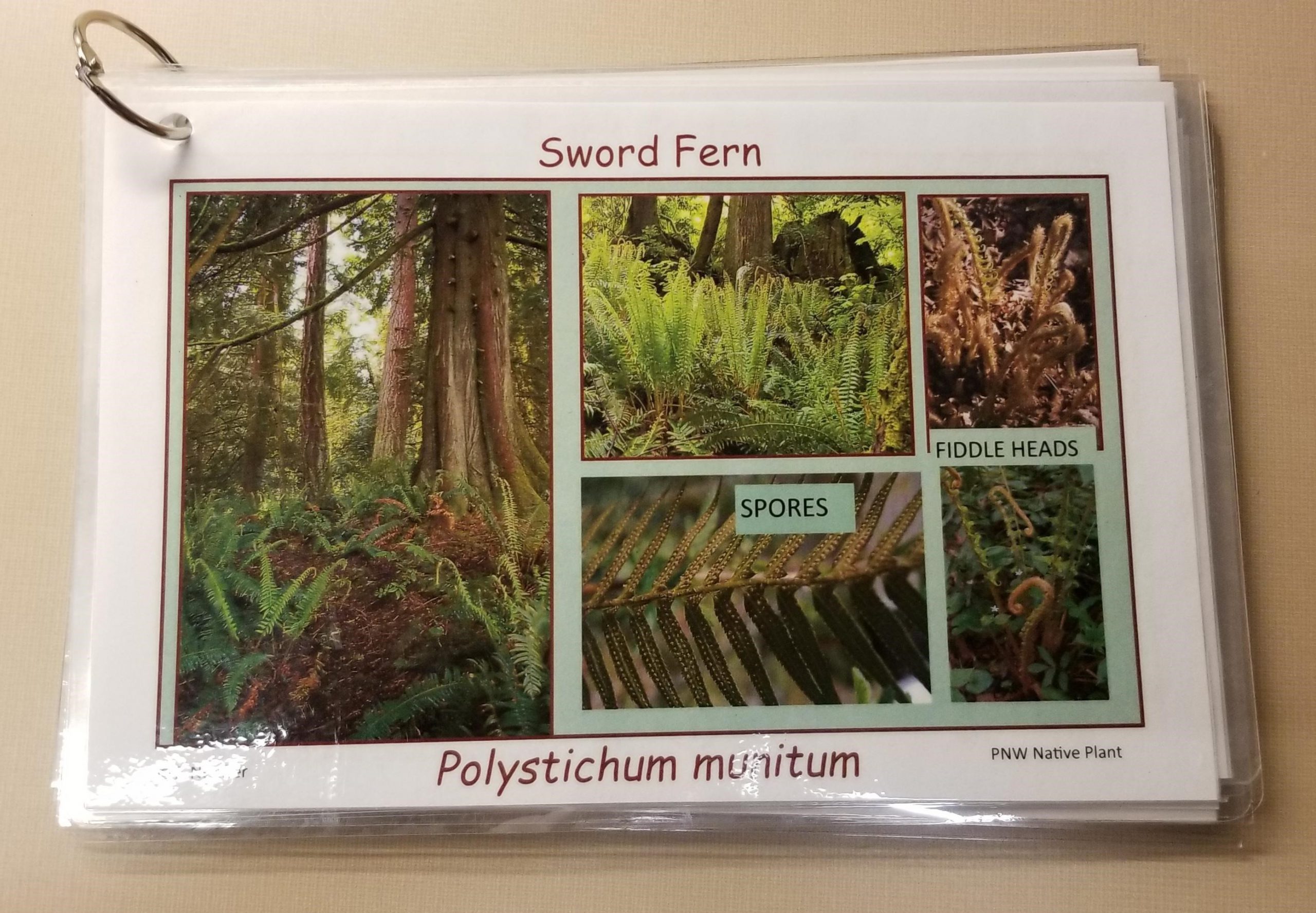
the largest plant identification database in the world (plants.usda.gov), read plant and insect reference guides at Daves Garden, the Plant Identification App, as well as the A Field Guide to Edible Wild Plants: Eastern and Central North America.
Discover more like the precise, field-tested identification guide to recognize true Aloe vera and common lookalikes — covering leaf structure, growth habit, color, texture, and key botanical markers — or the cheat sheet that covers 8 key features of any plant.
Get Ready to Explore the World of Plant Identification
With these expert resources and fundamental principles at your fingertips, you're now equipped to tackle even the trickiest plant identification challenges.
From seedlings to fully grown plants, combine these knowledge skills and expert resources with patience and curiosity, and you’ll become a skilled plant identifier.
Ready to explore your surroundings with newfound confidence in identifying the plants around you?