Weight Loss and GLP-1 Medications: A Game-Changer for Obesity Management
For individuals struggling with obesity, losing weight can be a daunting task. Despite numerous attempts at diet and exercise, many people find it challenging to achieve and maintain weight loss. However, a class of medications known as GLP-1 (glucagon-like peptide-1) agonists has emerged as a promising solution for weight loss and obesity management.
What are GLP-1 Medications?
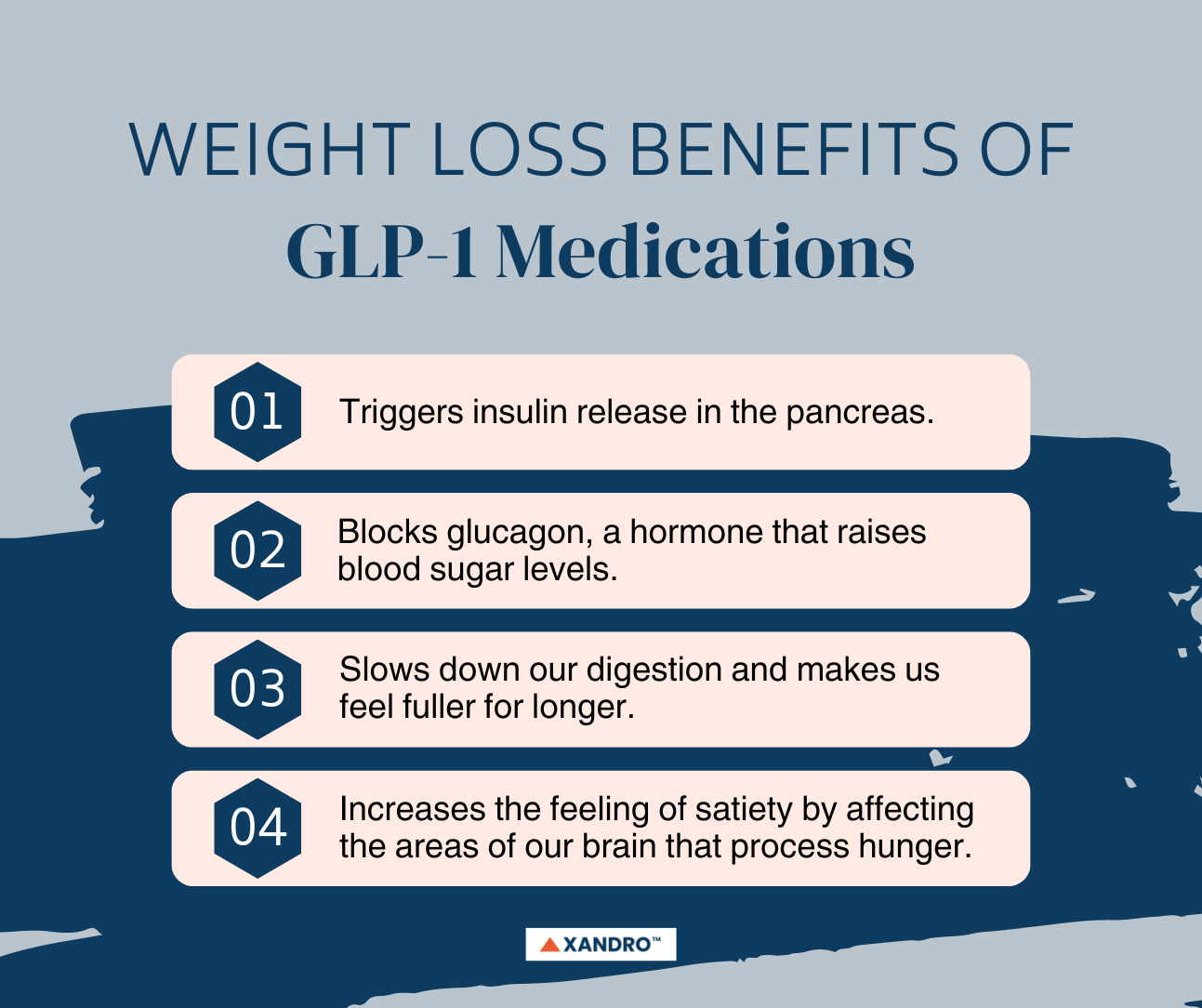
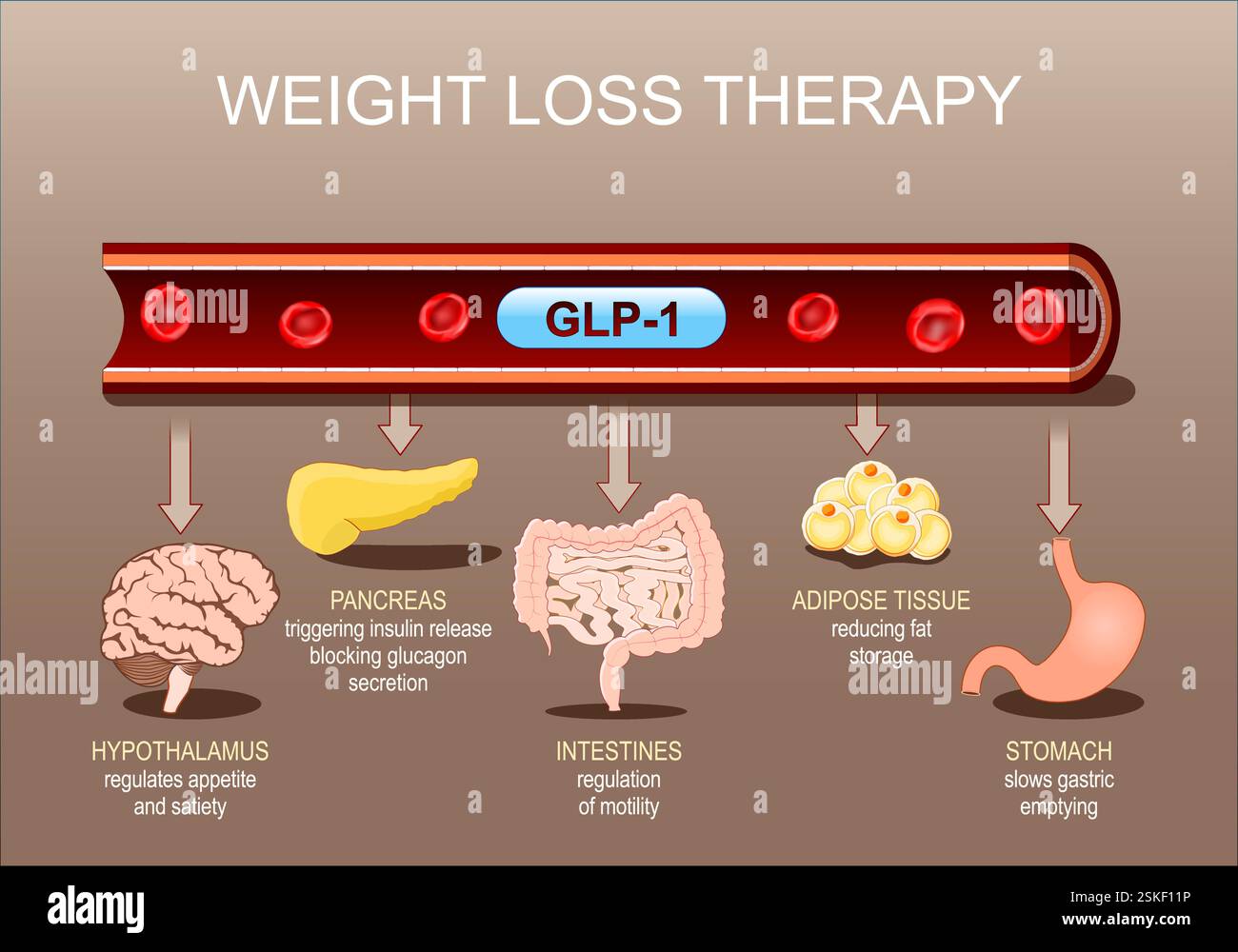
GLP-1 receptor agonists work by targeting GLP-1 receptors, increasing insulin, decreasing glucagon, and delaying gastric emptying. Originally developed for the treatment of type 2 diabetes, GLP-1 medications are increasingly being licensed for weight loss and other cardiometabolic applications.
The Science Behind GLP-1 Medications
GLP-1 is a naturally occurring hormone in the body that regulates blood sugar, digestion, and hunger. GLP-1 agonists mimic the effects of this hormone, leading to increased feelings of fullness, reduced appetite, and improved glucose metabolism. By targeting GLP-1 receptors, these medications can help individuals with obesity achieve significant weight loss and improve their overall health.
The Most Effective GLP-1 Medications for Weight Loss
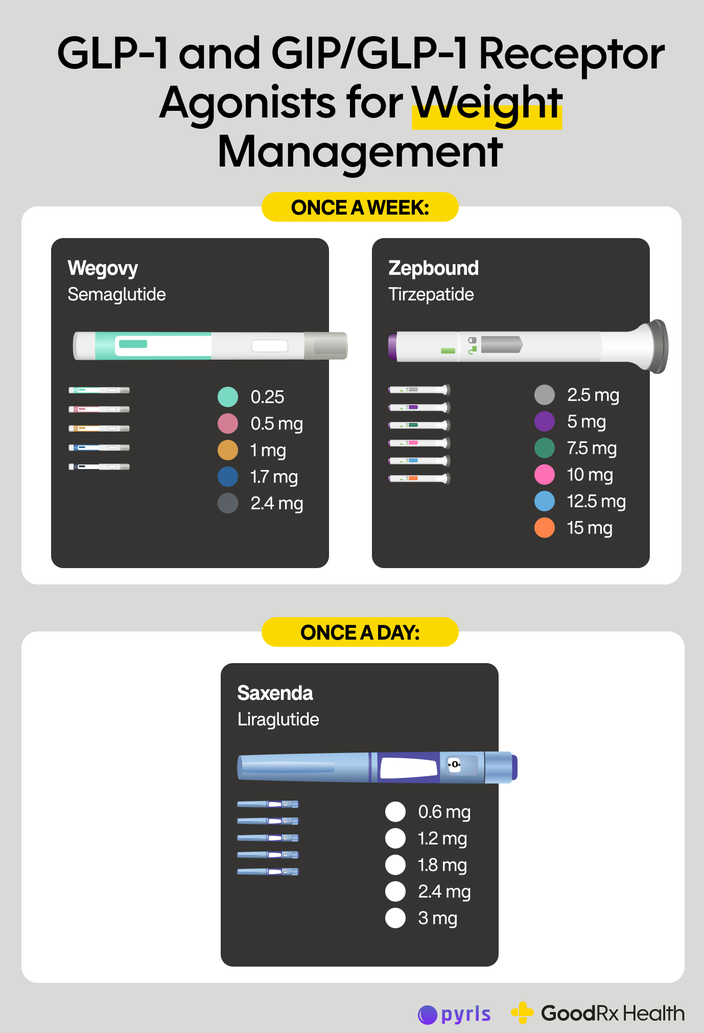
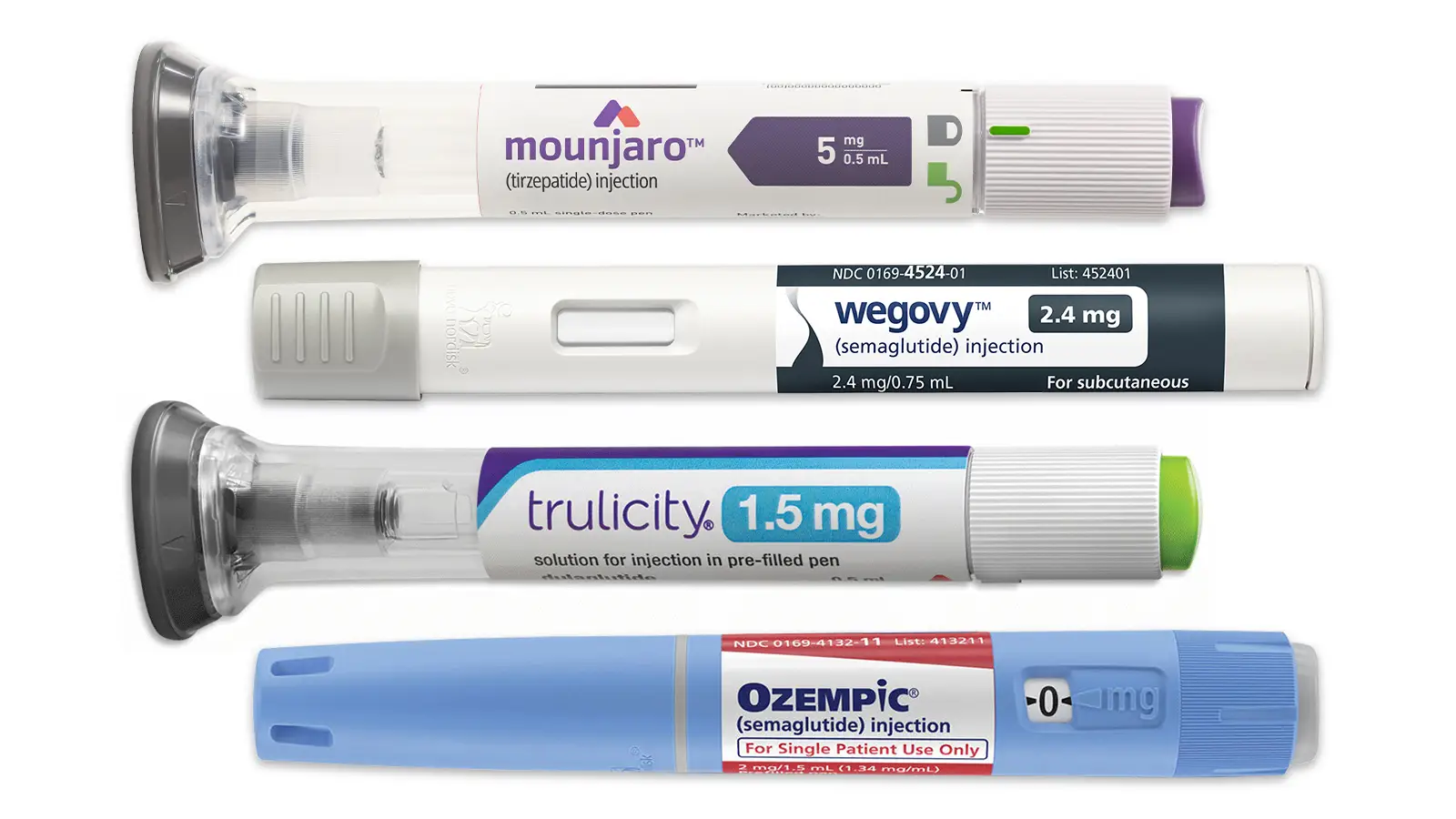
Among the available GLP-1 medications, tirzepatide (Mounjaro and Zepbound) and semaglutide (Wegovy and Ozempic) have been shown to be the most effective for weight management. These medications have been proven to promote significant weight loss, improve glucose metabolism, and reduce the risk of cardiovascular events.
How to Get GLP-1 Medications for Weight Loss
GLP-1 medications are typically prescribed by healthcare professionals and can be obtained through online telehealth services or in-person consultations. However, it's essential to note that GLP-1 medications should only be used under the guidance of a qualified healthcare professional, as they may have side effects and interact with other medications.
Common Side Effects of GLP-1 Medications

While GLP-1 medications have been shown to be effective for weight loss, they can also cause side effects, such as nausea, vomiting, diarrhea, and constipation. In some cases, individuals may experience more severe side effects, such as muscle loss or skin changes. It's essential to discuss potential side effects with a healthcare professional before starting treatment.
Preserving Muscle Mass during Rapid Weight Loss
A recent study suggests that combining semaglutide with the antibody bimagrumab may help preserve muscle mass in individuals taking weight loss medications. This new approach could provide a safer and more effective way to achieve weight loss while minimizing the risk of muscle loss.
Conclusion
GLP-1 medications have emerged as a promising solution for weight loss and obesity management. With their ability to promote significant weight loss, improve glucose metabolism, and reduce cardiovascular risk, these medications offer a new hope for individuals struggling with obesity. However, it's essential to discuss potential side effects and interact with other medications with a qualified healthcare professional before starting treatment.
Frequently Asked Questions
- What are GLP-1 medications?
- How do GLP-1 medications work?
- What are the most effective GLP-1 medications for weight loss?
- How to get GLP-1 medications for weight loss?
- What are common side effects of GLP-1 medications?
- Can GLP-1 medications help preserve muscle mass during rapid weight loss?