D-Link Router Setup with LAN Configuration: A Step-by-Step Guide
Introduction
In today's digital age, a reliable and secure home network is essential for seamless internet connectivity and wireless communication. A D-Link router setup with LAN configuration is the first step towards creating a robust and efficient network infrastructure. In this comprehensive guide, we will walk you through the process of setting up your D-Link router and configuring LAN settings for optimal performance.
Connecting Your D-Link Router
Before we dive into the setup process, ensure that you have the following equipment:
- D-Link router
- Modem
- Computer or mobile device with Wi-Fi capability
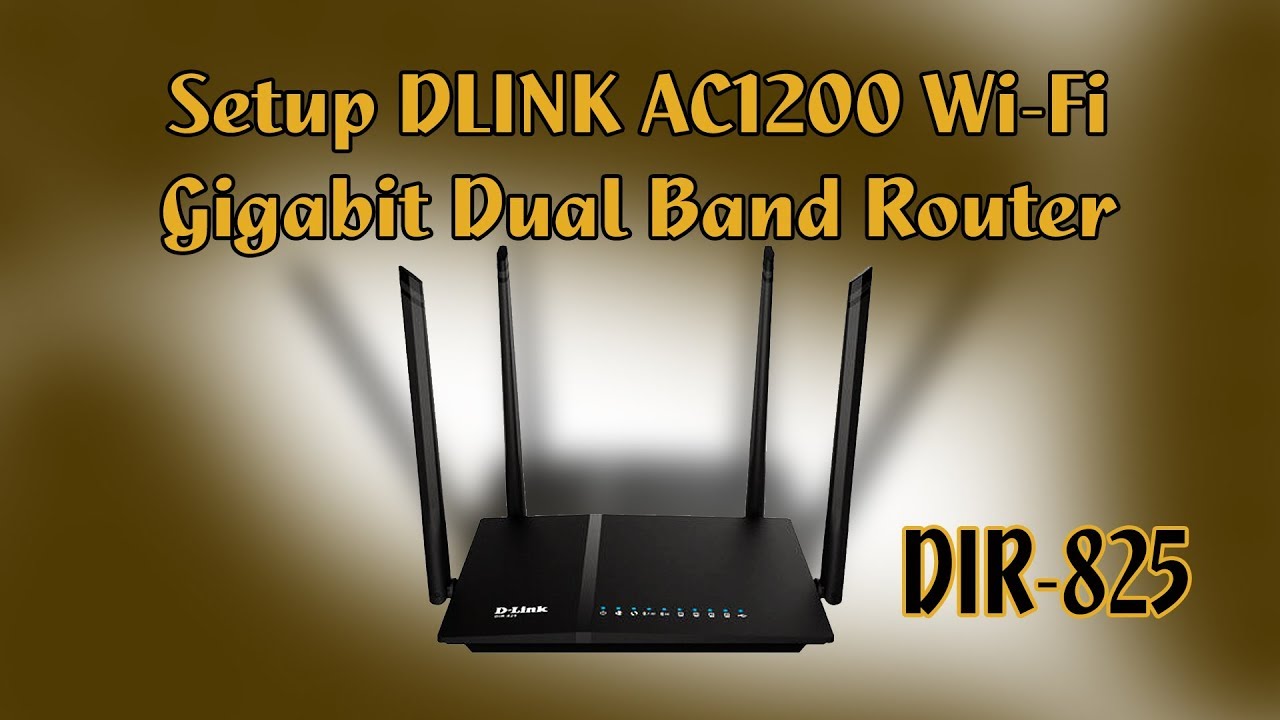
Connect the power adapter to the router and plug it into an electrical outlet. Next, connect the router's Internet/WAN port (usually colored yellow or labeled "Internet") to your modem using an Ethernet cable.
Step 1: Initial Hardware Setup
Ensure the proper physical setup of your D-Link router. Plug in the power adapter to the router and connect it to the electrical outlet. Connect your router's Internet/WAN port to your modem using an Ethernet cable.
Step 2: Connecting to the Router
Connect your computer or mobile device to the router's Wi-Fi network. The network name and password will be printed on the "D-Link Wi-Fi Configuration Card" and also on the router's serial label.
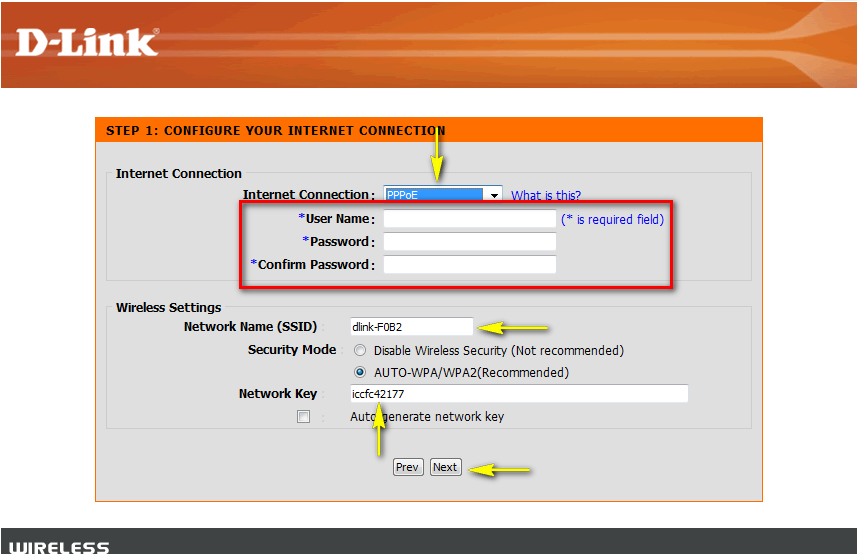
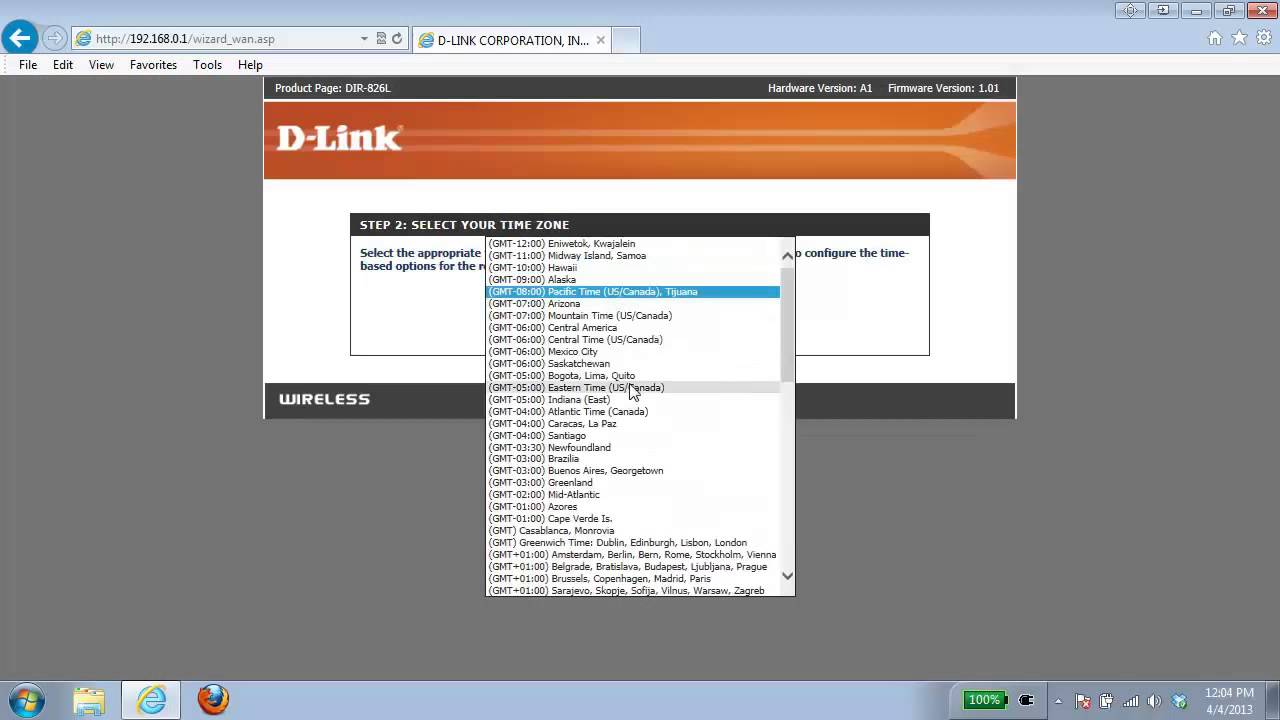
Step 3: Opening the Setup Wizard
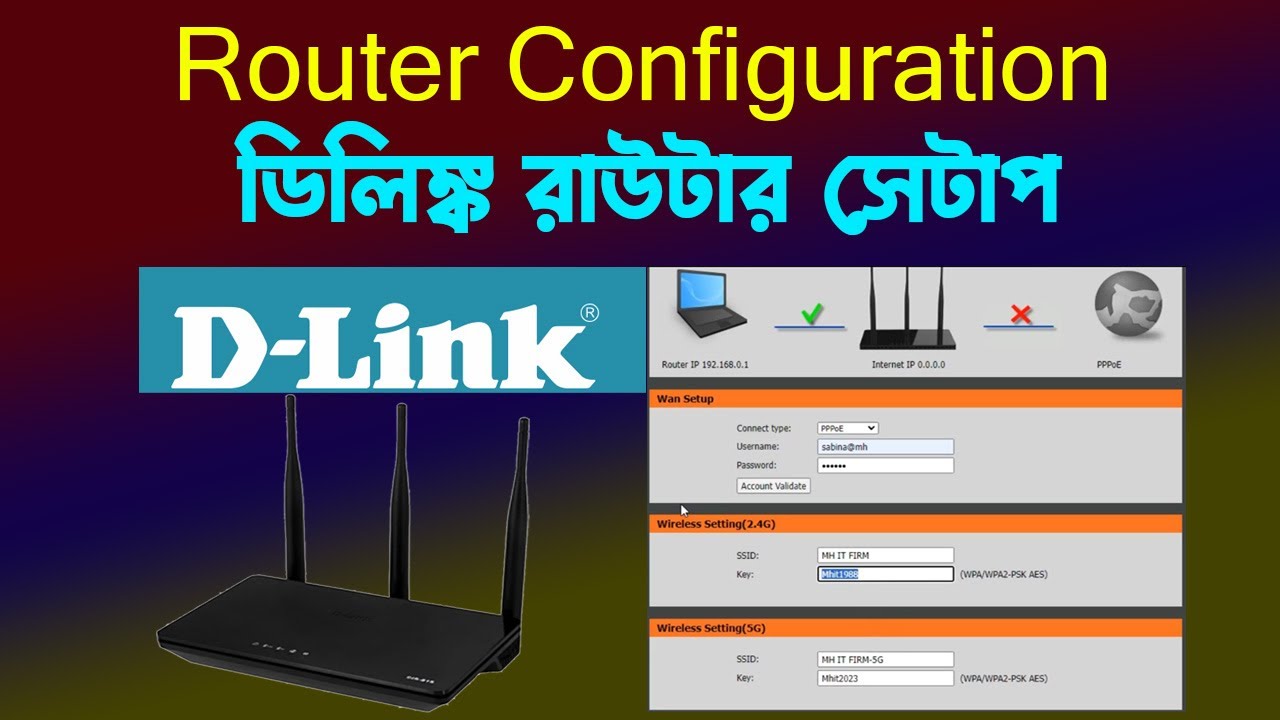
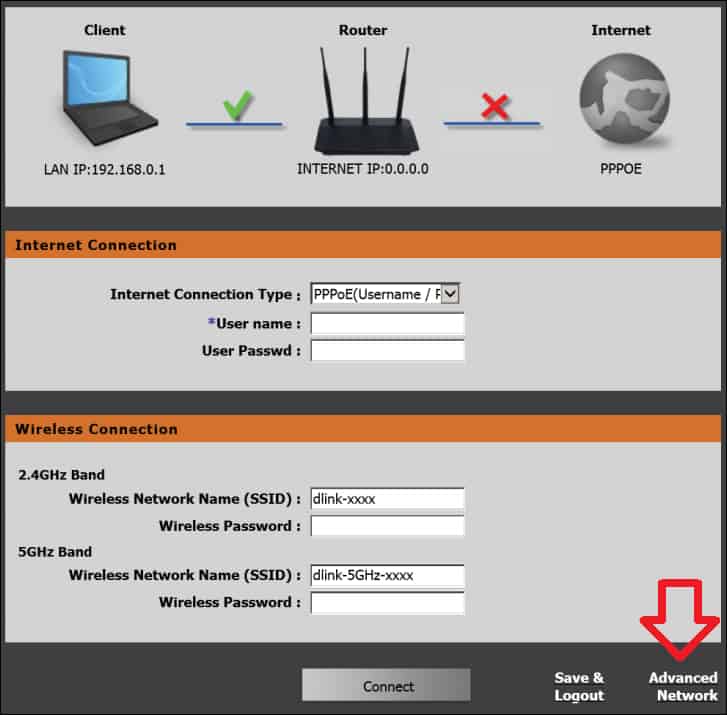
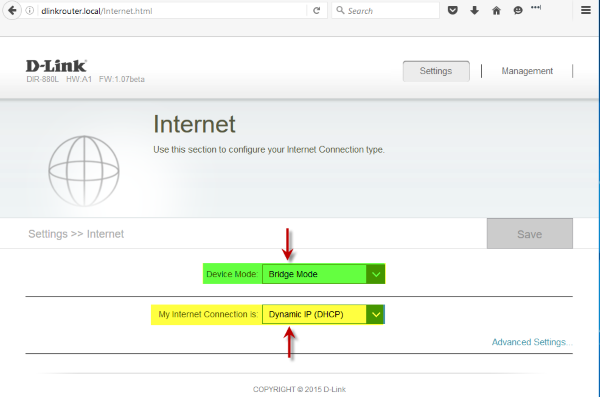
Open a web browser and navigate to http://dlinkrouter.local or the IP address of your router (usually 192.168.0.1). The Setup Wizard will start automatically, guiding you through the process of configuring your new D-Link router and connecting to the internet.
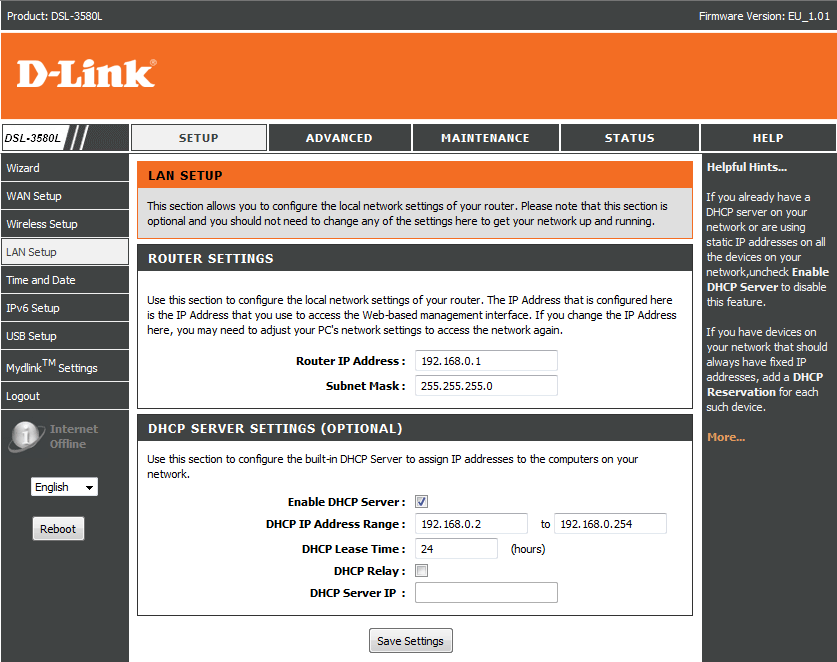
Step 4: Configuring LAN Settings
Configure the IP address of the connected computer to the IP of the same network segment as the D-Link router. For example, IP: 192.168.1.3, mask: 255.255.255.0, gateway (the default management IP of the router): 192.168.1.1. After finishing this preparation configuration, you can formally visit the D-Link router and set it further.
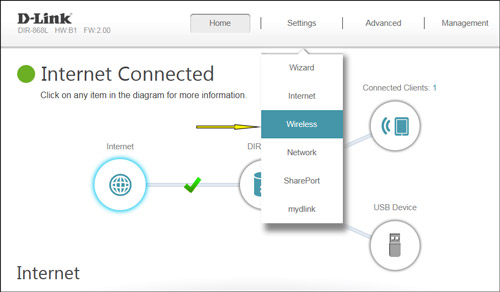
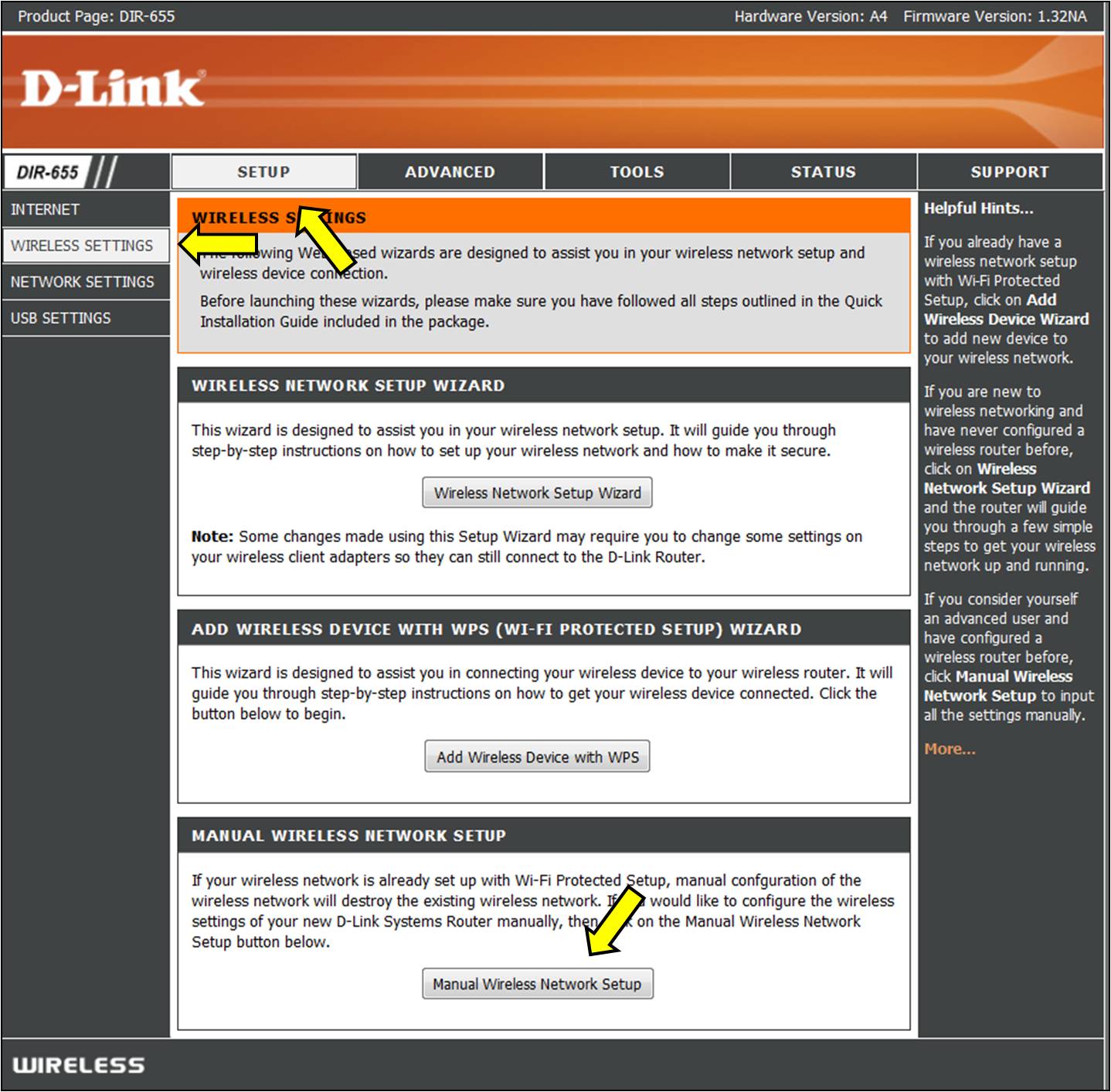
Step 5: Configuring Wireless Settings
Configure the wireless settings, including SSID, password, and channel width. This will ensure a secure and efficient wireless network.
Step 6: Securing the Router
Secure your router by creating a password to access the router's web-based configuration interface. This should be different from the password to connect to the Wi-Fi network.
Step 7: Verifying the Setup
Verify that your router is connected to the internet and the wireless network is functioning properly. Ensure that all devices connected to the network can access the internet without any issues.
Conclusion
A D-Link router setup with LAN configuration is a critical step towards creating a robust and efficient network infrastructure. By following these steps, you can ensure a secure and seamless internet connection for all your devices. Remember to regularly update the firmware and monitor the network for any potential issues.
Recommended Resource
For more information on D-Link router setup and LAN configuration, refer to the official D-Link website or consult a professional network administrator.
Frequently Asked Questions
Q: How do I reset my D-Link router to its default settings?
A: To reset your D-Link router to its default settings, press and hold the reset button on the back of the router for 10 seconds. This will restore the router to its factory settings.
Q: How do I set up IPTV on my D-Link router?
A: To set up IPTV on your D-Link router, enable the IPTV service and configure the VLAN settings. First, log in to your D-Link router's web interface and navigate to the Advanced Setup section. From here, select the LAN Settings option and ensure that the VLAN ID is set to 0, which is the default value for most IPTV providers.
Q: How do I configure the Dynamic Host Configuration Protocol (DHCP) on my D-Link router?
A: To configure the DHCP on your D-Link router, log in to the web interface and navigate to the Advanced Setup section. From here, select the LAN Settings option and enable the DHCP service. Configure the IP address, subnet mask, and gateway settings according to your network requirements.