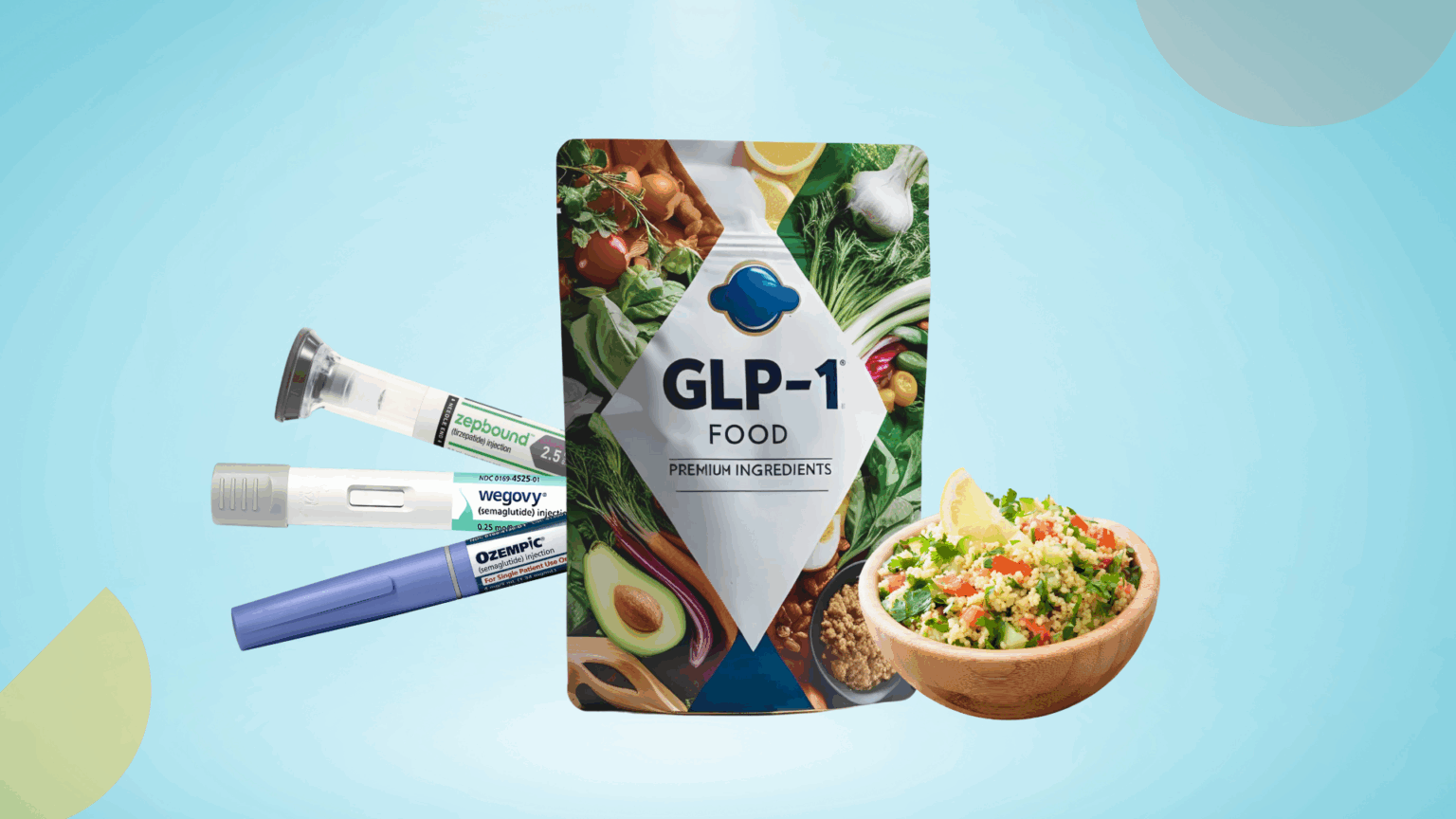
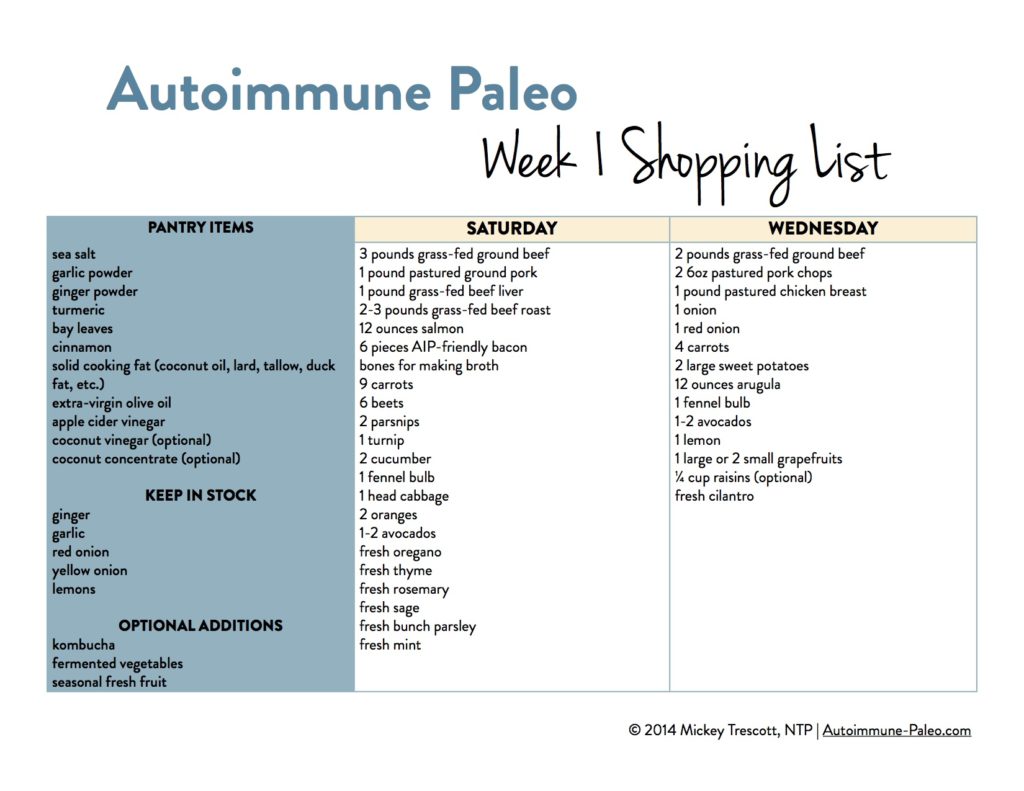
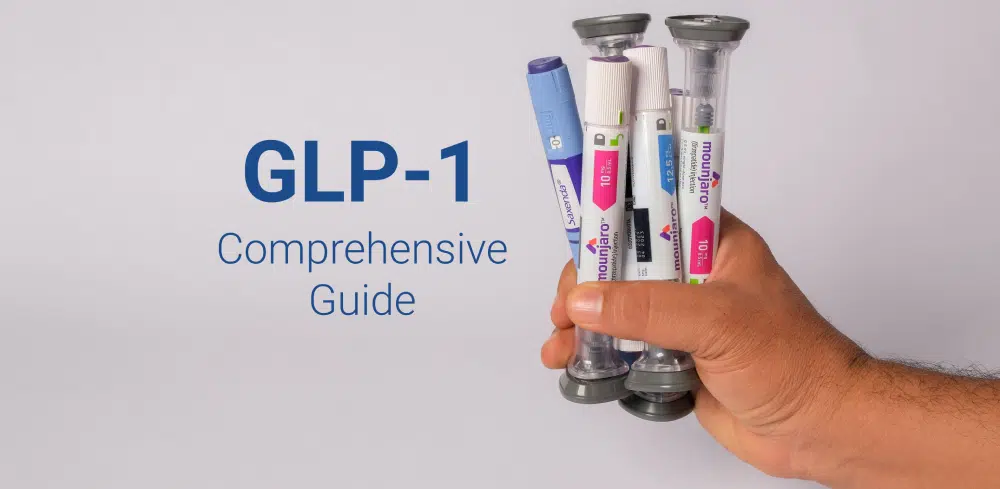
GLP-1 and Autoimmune Disease Meal Planning: A Comprehensive Guide
Introduction
If you're living with an autoimmune disease and taking GLP-1 (Glucagon-Like Peptide-1) medications, you're likely aware of the importance of a balanced diet in managing your condition. GLP-1 medications can help regulate appetite, support weight loss, and improve blood sugar control, but they also come with potential side effects. In this article, we'll explore the benefits of meal planning for GLP-1 and autoimmune disease management, and provide practical tips and meal ideas to support your health.The Importance of Meal Planning
Meal planning is essential for managing autoimmune diseases like Hashimoto's, lupus, or rheumatoid arthritis, as it helps you maintain a balanced diet, avoid trigger foods, and reduce symptoms. GLP-1 medications can further exacerbate digestive issues like nausea, constipation, or diarrhea, making meal planning even more crucial. By structuring your meals and snacks, you can minimize side effects, support weight loss, and improve overall health.Key Principles of GLP-1 and Autoimmune Disease Meal Planning
When planning meals for GLP-1 and autoimmune disease management, consider the following key principles:- High-protein intake: Aim for 20-30 grams of protein per meal to support lean muscle mass and thyroid function.
- Complex carbohydrates: Include fiber-rich foods like fruits, vegetables, and whole grains to regulate blood sugar and promote digestive health.
- Healthy fats: Nuts, seeds, avocados, and olive oil are rich in essential fatty acids that support heart health and reduce inflammation.
- Anti-inflammatory foods: Include foods like turmeric, ginger, and omega-3 rich fatty fish to reduce inflammation and promote healing.
- Hydration: Drink plenty of water throughout the day to stay hydrated and support digestion.
Meal Ideas for GLP-1 and Autoimmune Disease Management

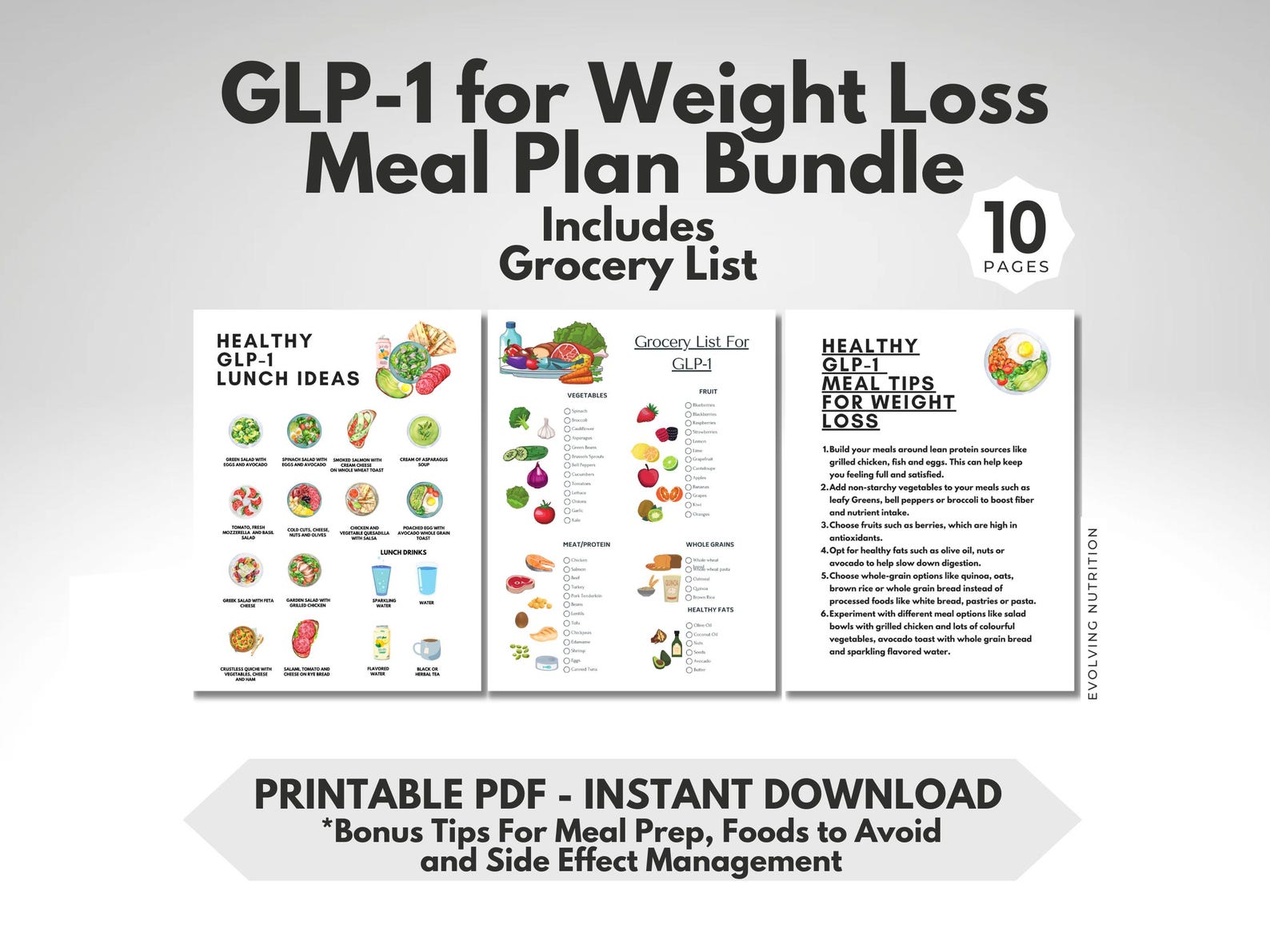
- Breakfast ideas: Overnight oats with nuts and seeds, avocado toast with scrambled eggs, or Greek yogurt with berries and honey.
- Lunch ideas: Grilled chicken or fish with roasted vegetables, quinoa salad with mixed greens and avocado, or whole grain wraps with lean turkey and veggies.
- Dinner ideas: Baked salmon with sweet potatoes and steamed broccoli, lentil soup with whole grain bread, or stir-fry with lean beef and mixed vegetables.
- Snack ideas: Fresh fruit with almond butter, carrot sticks with hummus, or energy balls made with oats and nuts.
Gluten-Free and Low-FODMAP Meal Planning
If you have a gluten intolerance or follow a low-FODMAP diet, meal planning becomes even more critical. Consider the following tips:- Choose gluten-free grains: Rice, quinoa, and corn are great alternatives to wheat, barley, and rye.
- Avoid high-FODMAP foods: Limit or avoid foods like beans, cabbage, and broccoli, which can exacerbate digestive issues.
- Focus on low-FODMAP fruits and vegetables: Enjoy bananas, berries, cucumbers, and bell peppers, which are low in FODMAPs.
![GLP-1 Diet: Foods to Eat, Avoid & Sample Meal Plan [2026]](https://moderatelymessyrd.com/wp-content/uploads/2025/05/Increasing-GLP-1-with-Diet-683x1024.webp "GLP-1 Diet: Foods to Eat, Avoid & Sample Meal Plan [2026]")