G Router Configuration with Router DNS Settings
Configuring your G router with the correct DNS settings is a crucial step in ensuring a seamless internet connection experience. In this article, we'll guide you through the process of configuring your G router with router DNS settings, covering the essentials of DNS settings and troubleshooting tips to help you get the most out of your internet connection.
Understanding DNS Settings
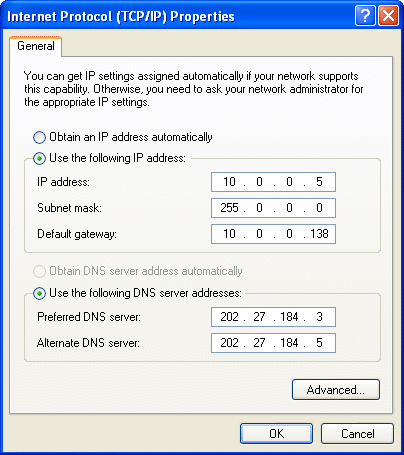
DNS stands for Domain Name System, which translates human-readable domain names into IP addresses that computers can understand. When you type in a website's URL, your device sends a request to a DNS server, which then returns the corresponding IP address. Your router's DNS settings determine which DNS server your device will use to resolve domain names.
Why Change Your Router's DNS Settings?
Changing your router's DNS settings can help resolve connectivity issues, bypass certain restrictions, and enhance browsing performance. If your Internet service provider's (ISP) DNS server is constantly busy or experiencing problems, switching to a different DNS server like Google, Cloudflare, or OpenDNS can be beneficial.
Configuring Your G Router's DNS Settings
Method 1: Configuring DNS Settings via Web Interface
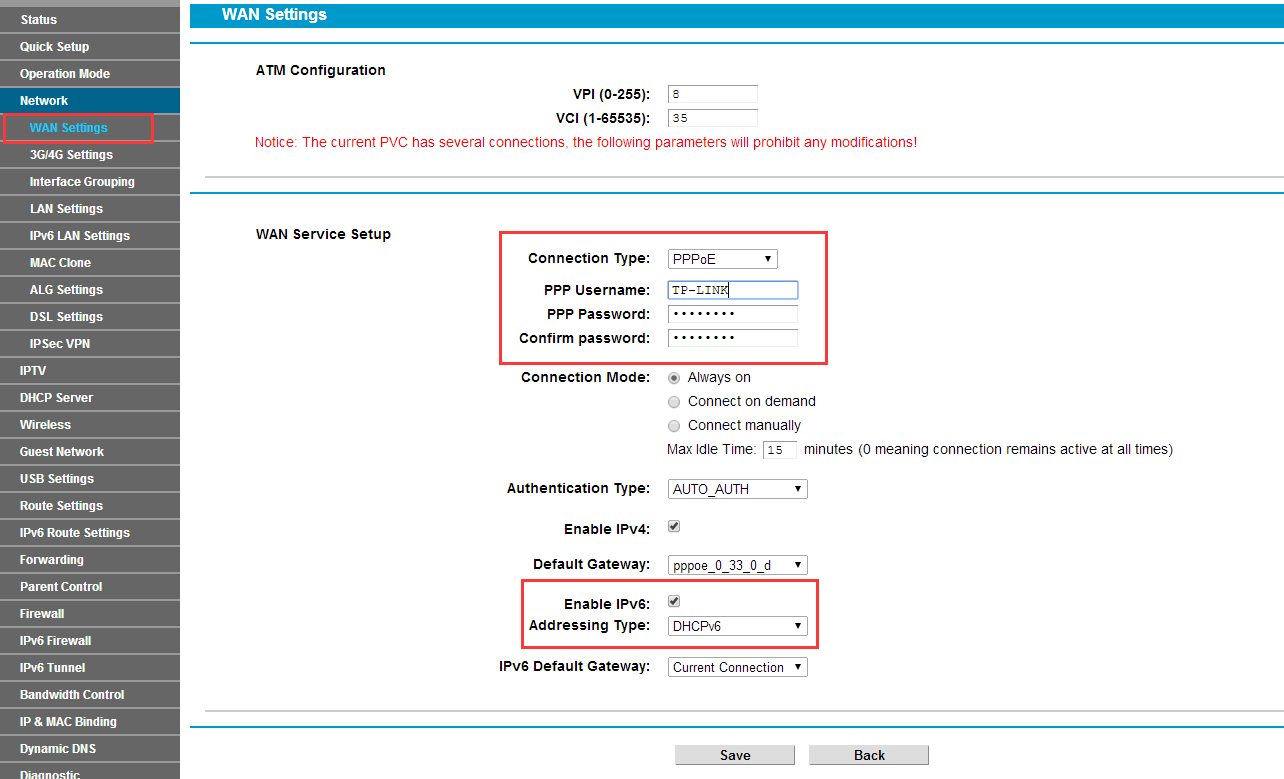
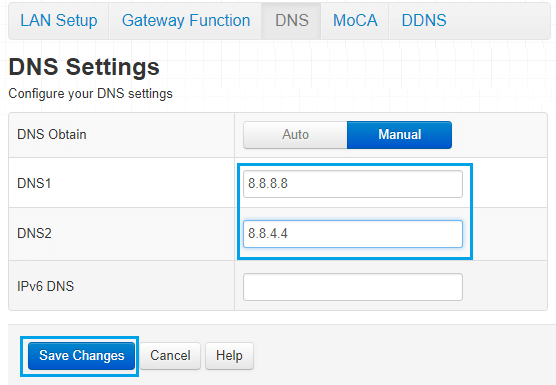
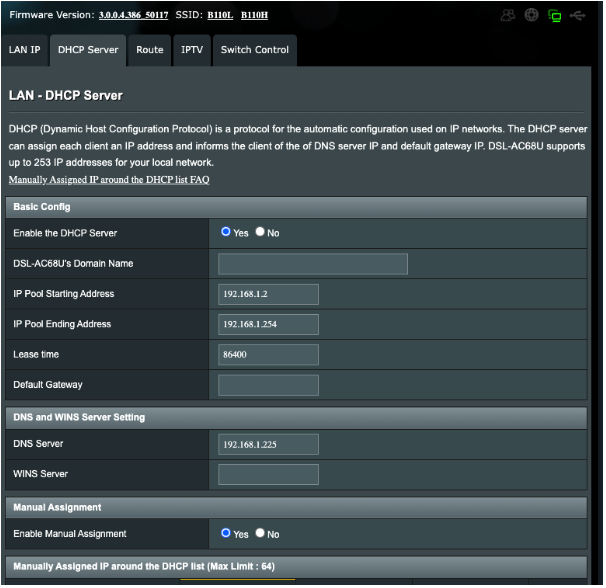
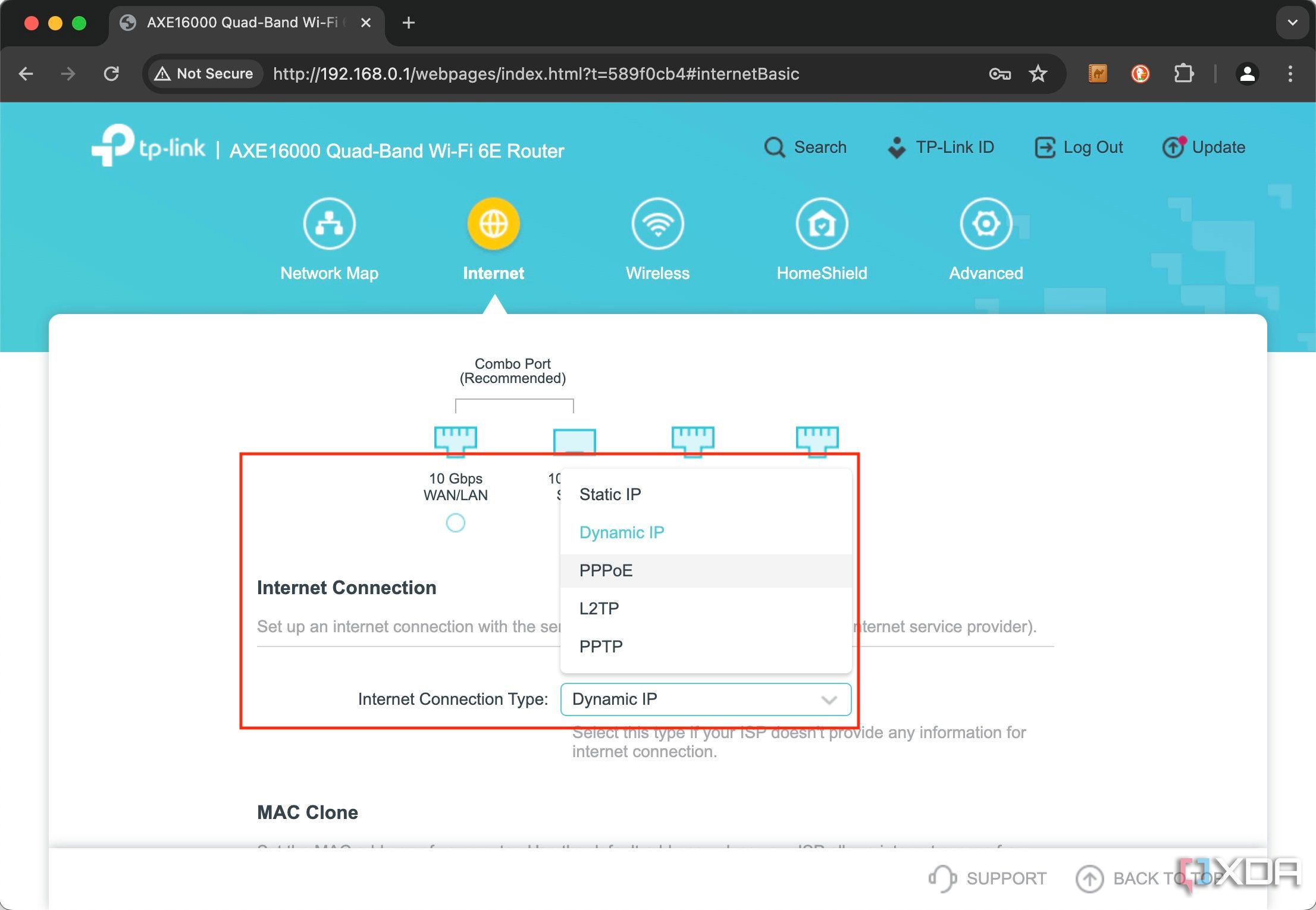
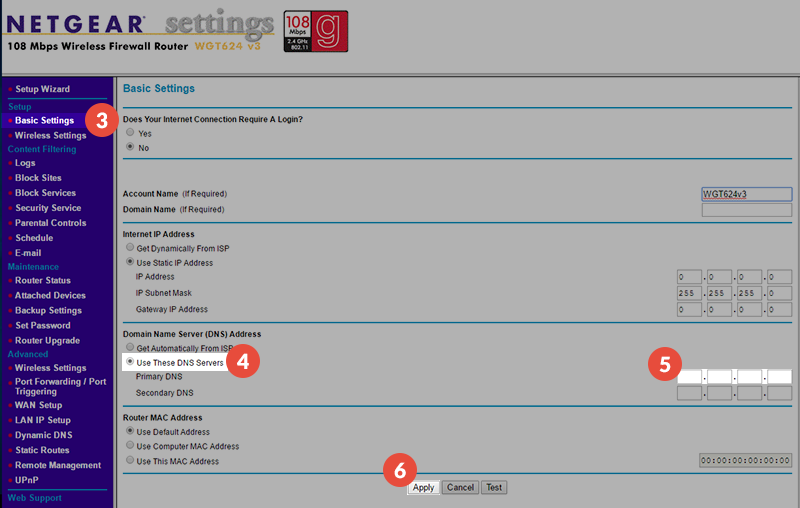
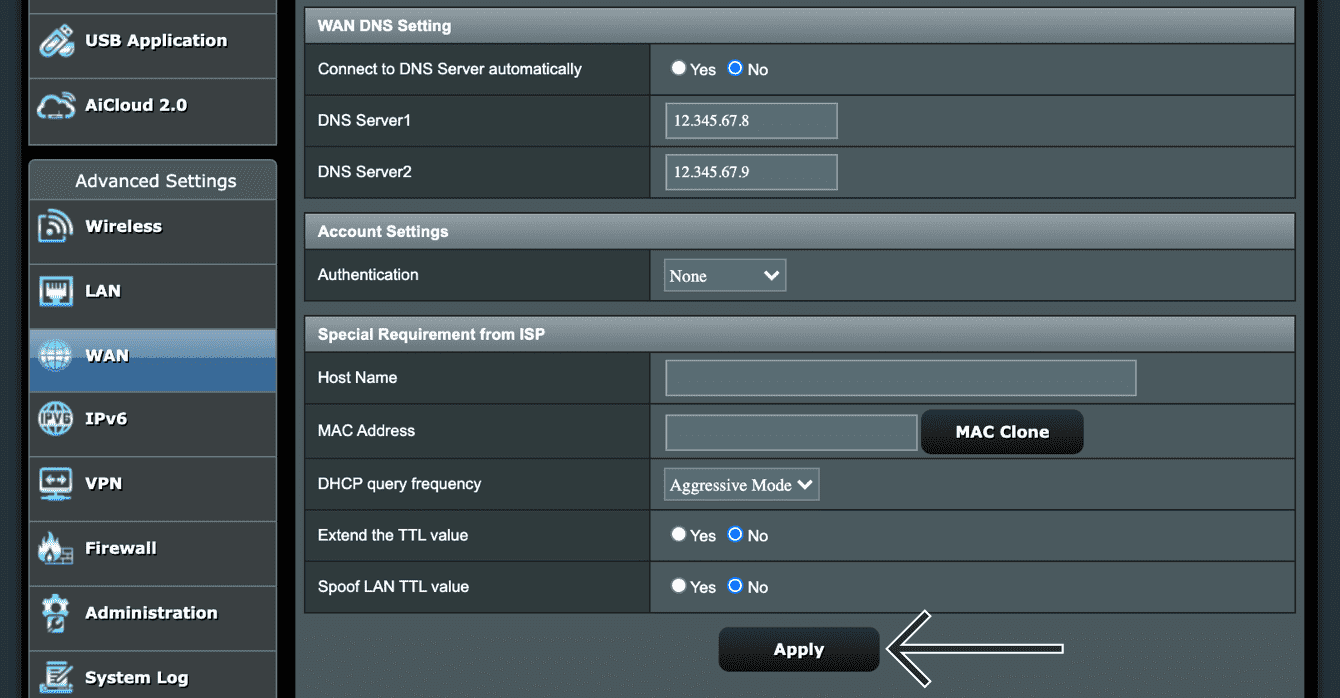
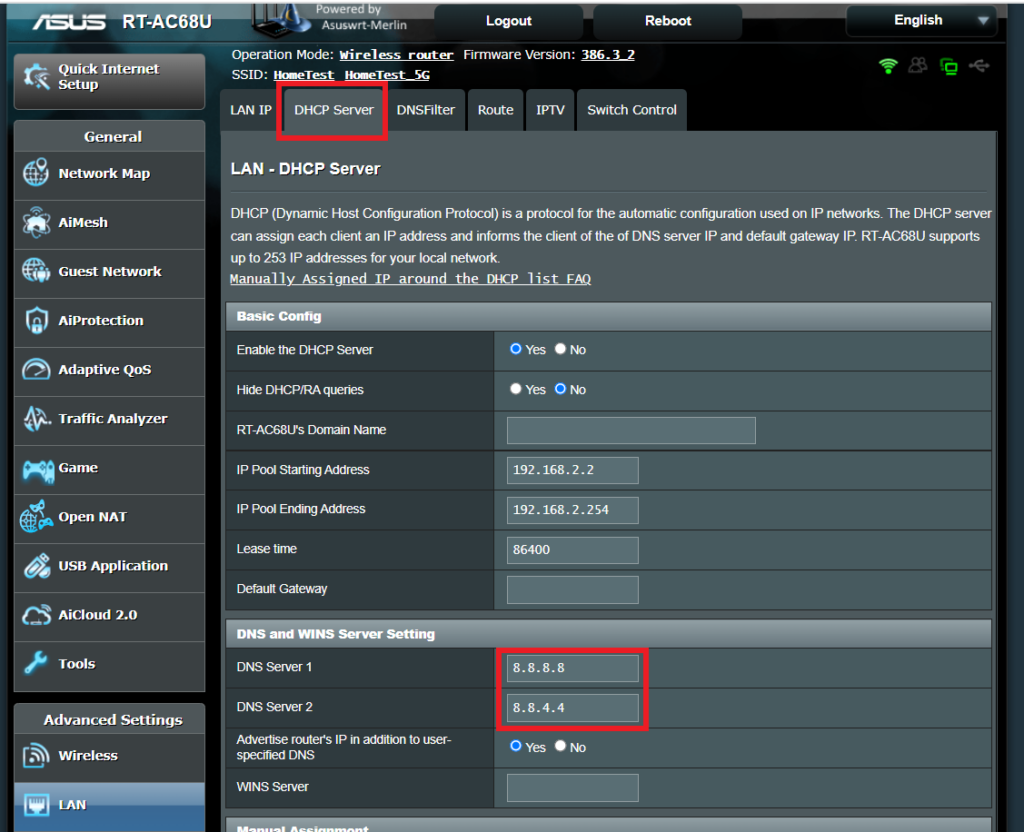
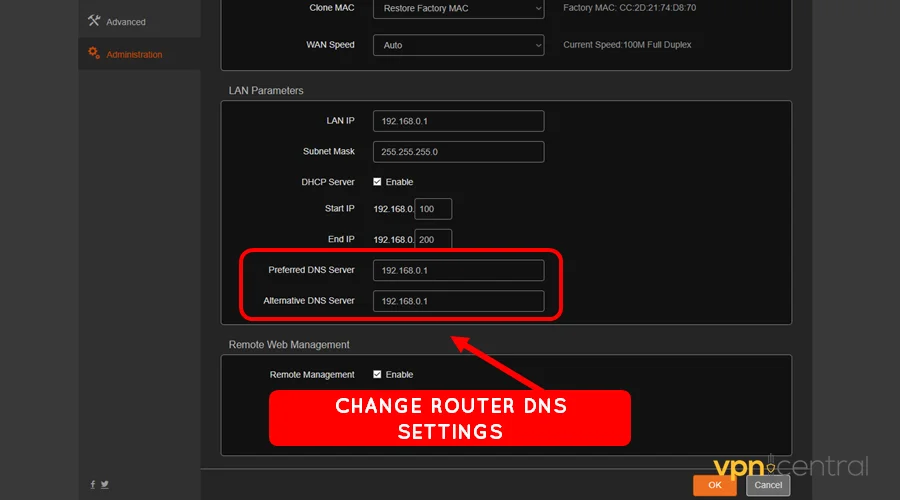
To access your G router's web interface, open a web browser and type in the router's IP address (usually 192.168.0.1 or 192.168.1.1). Enter the admin username and password to log in. Look for the DNS settings section, usually found under the advanced or internet setting tab. Most routers allow you to input the primary and secondary DNS server IP addresses manually. Enter the desired DNS server IP addresses and save the changes.
Method 2: Configuring DNS Settings via Mobile App
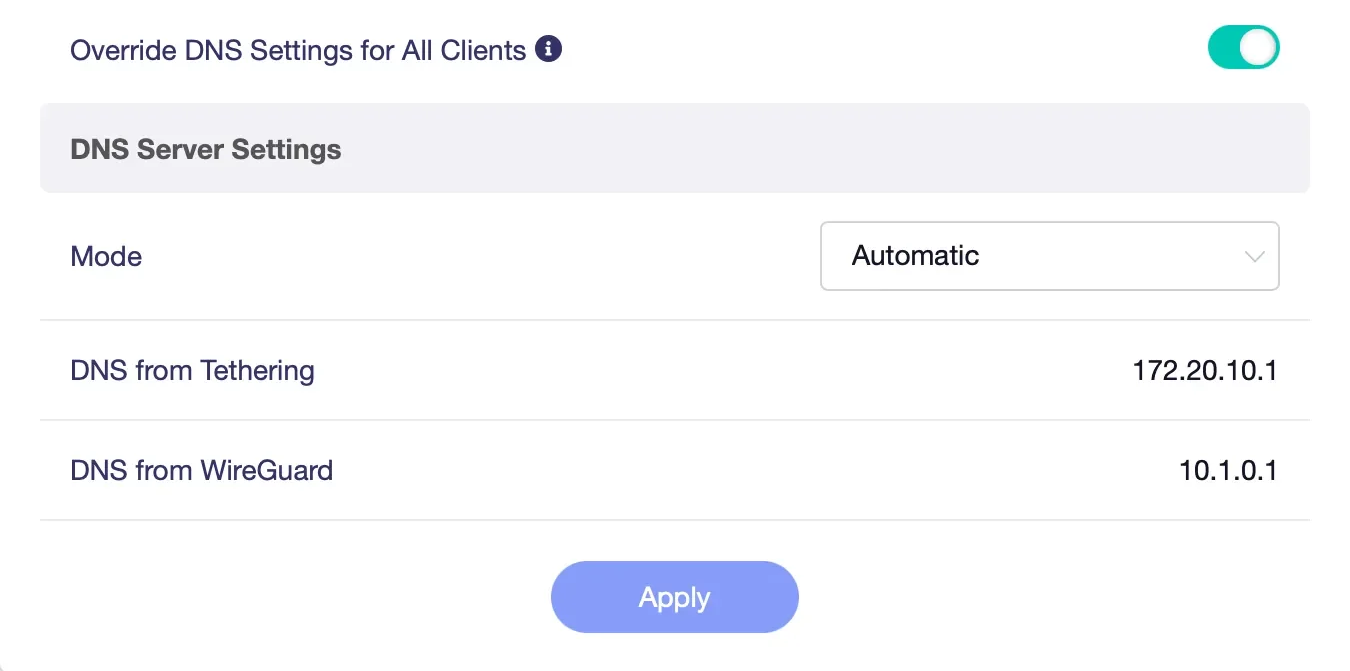
Some modern routers come with mobile apps that allow you to manage your network and DNS settings on the go. If your G router has a mobile app, download and install it. Open the app, navigate to the DNS settings section, and input the desired DNS server IP addresses. Save the changes, and your G router will use the new DNS settings.
Choosing the Right DNS Server
With so many DNS servers available, choosing the right one can be overwhelming. Some popular options include Google Public DNS (8.8.8.8 and 8.8.4.4), Cloudflare DNS (1.1.1.1 and 1.0.0.1), and OpenDNS. Consider the following factors when selecting a DNS server:
- Speed: Choose a server with fast response times for optimal browsing experience.
- Security: Opt for a server with robust security features to protect your devices from malware and cyber threats.
- Reliability: Select a server with a high uptime and minimal downtime to ensure consistent internet connectivity.
Troubleshooting DNS Issues
If you're experiencing issues with your G router's DNS settings, troubleshoot with the following steps:
- Check your router's DNS settings: Ensure you've entered the correct DNS server IP addresses.
- Restart your router: Restart your router to clear any cache and refresh the DNS settings.
- Update your router's firmware: Regularly update your router's firmware to ensure you have the latest security patches and features.
- Contact your ISP: If you're experiencing persistent issues, contact your ISP to assist with DNS-related problems.
Conclusion
Configuring your G router's DNS settings may seem daunting, but with the right guidance, you can ensure a fast, secure, and reliable internet connection. Remember to choose a suitable DNS server based on your needs and troubleshoot any issues promptly. By following the steps outlined in this article, you'll be able to configure your G router's DNS settings with ease and enjoy a seamless internet experience.
References
- Google Public DNS: https://developers.google.com/public-dns/
- Cloudflare DNS: https://www.cloudflare.com/1.1.1.1/
- OpenDNS: https://www.opendns.com/
Frequently Asked Questions
Q: Can I change my router's DNS settings?
A: Yes, most routers allow you to change the DNS settings. Check your router's manual or online documentation to confirm.
:max_bytes(150000):strip_icc()/DNSServers-891f522f2bc2469088df0a11dd687611.jpg "How to Configure IPv6 on ASUS Home Routers - oneuptime.com")
![[OpenWrt Wiki] AdGuard Home](https://documentation.breadnet.co.uk/assets/ee-router-ipv4-config.png "[OpenWrt Wiki] AdGuard Home")