Installing New Hardwood Flooring Over Old Flooring: A Comprehensive Guide
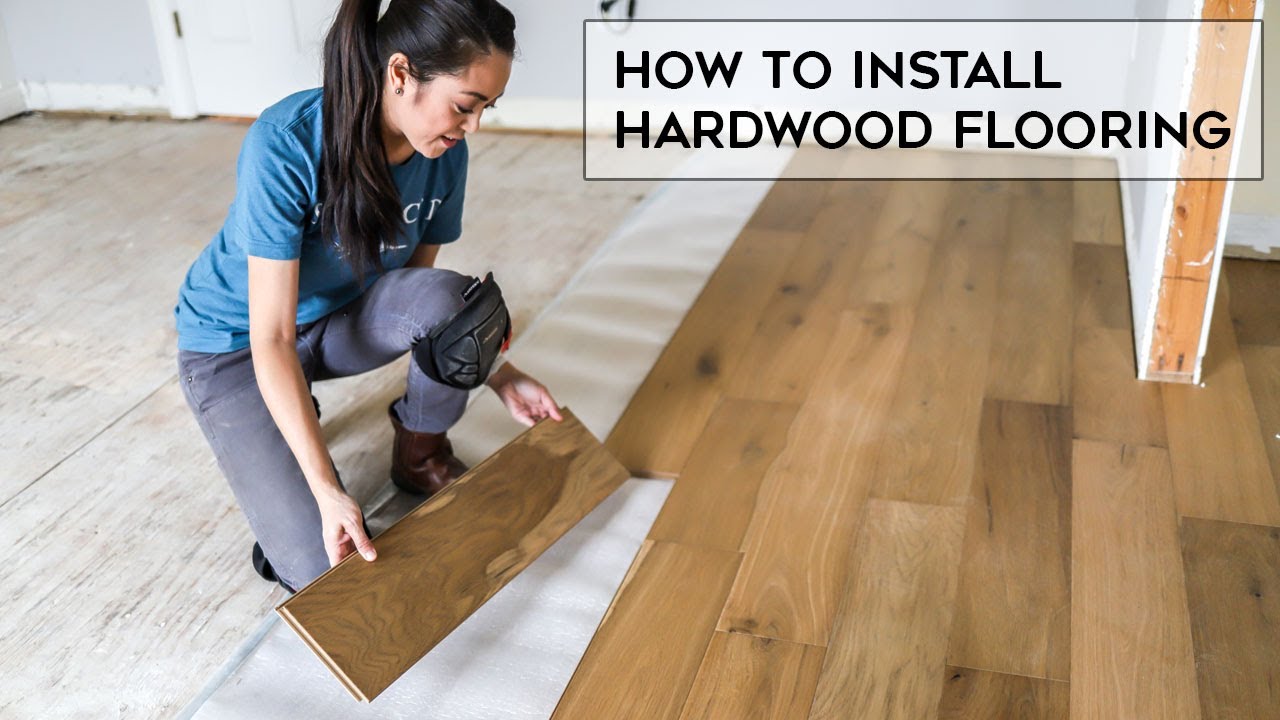
Thinking of installing new hardwood flooring over your current flooring? Learn when it's possible, what types of floors work best, and how to ensure a smooth installation. In this article, we'll explore the benefits, key considerations, and professional tips for installing hardwood flooring over old flooring.
Benefits of Installing Hardwood Flooring Over Old Flooring
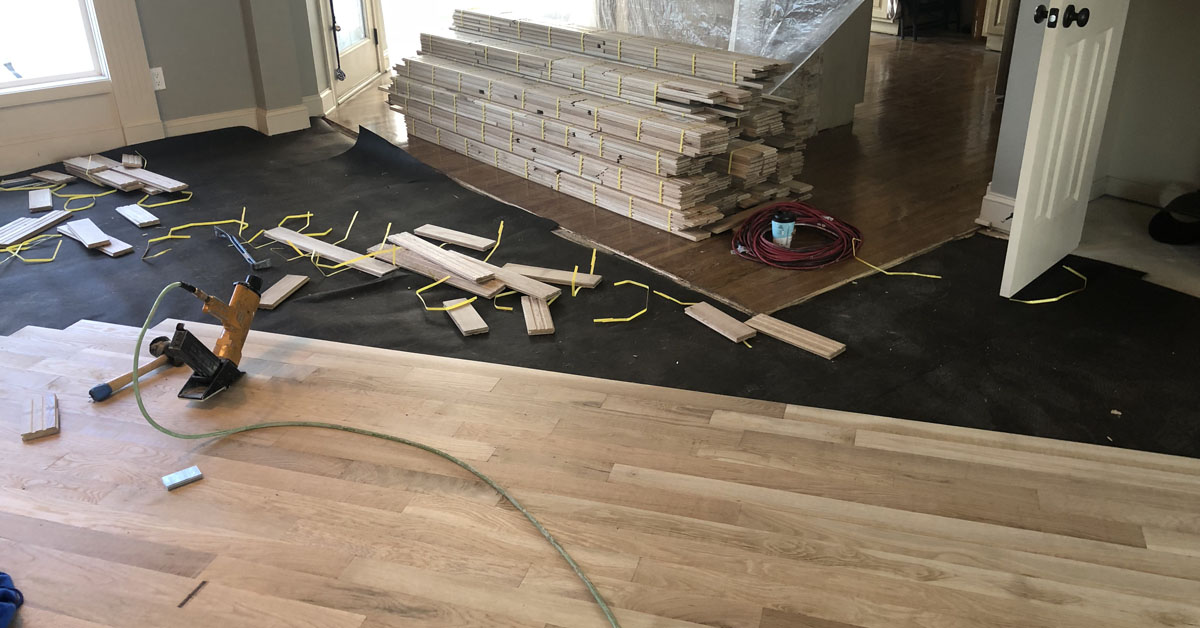
One of the primary advantages of installing new hardwood flooring over old flooring is the time and cost savings it offers. Removing existing flooring can be a labor-intensive and time-consuming process, often involving the use of specialized tools and professional assistance. By avoiding the removal step, homeowners can cut down on both time and expenses, making the project more efficient and cost-effective.
Another benefit of installing hardwood flooring over old flooring is that it can be a more eco-friendly option. Removing old flooring can lead to significant amounts of waste, whereas installing new flooring directly over the existing one reduces the need for disposal and replacement.
Assessing the Condition of Existing Flooring
Before installing new flooring over old flooring, it's essential to assess the condition of the existing floor. A thorough inspection should be conducted to determine if the existing floor is firmly attached to the subfloor without signs of warping, cracking, or moisture damage. Loose or damaged areas can compromise the new floor's stability and lifespan.
The following are some common issues that may cause problems with installing new flooring over old flooring:
- Warped or cracked subfloor
- Damaged or uneven floorboards
- Moisture damage or water stains
- Loose or shifting floorboards
Type of Existing Flooring
The type of existing flooring is a crucial factor to consider when installing new hardwood flooring. If the old floor is carpet, laminate, or vinyl, it must be removed entirely before installing new hardwood floors. Hardwood floors need a solid and smooth surface to be properly installed, which cannot be achieved over these types of flooring.
Key Considerations for a Successful Installation
When installing new hardwood flooring over old flooring, there are several key considerations to keep in mind:
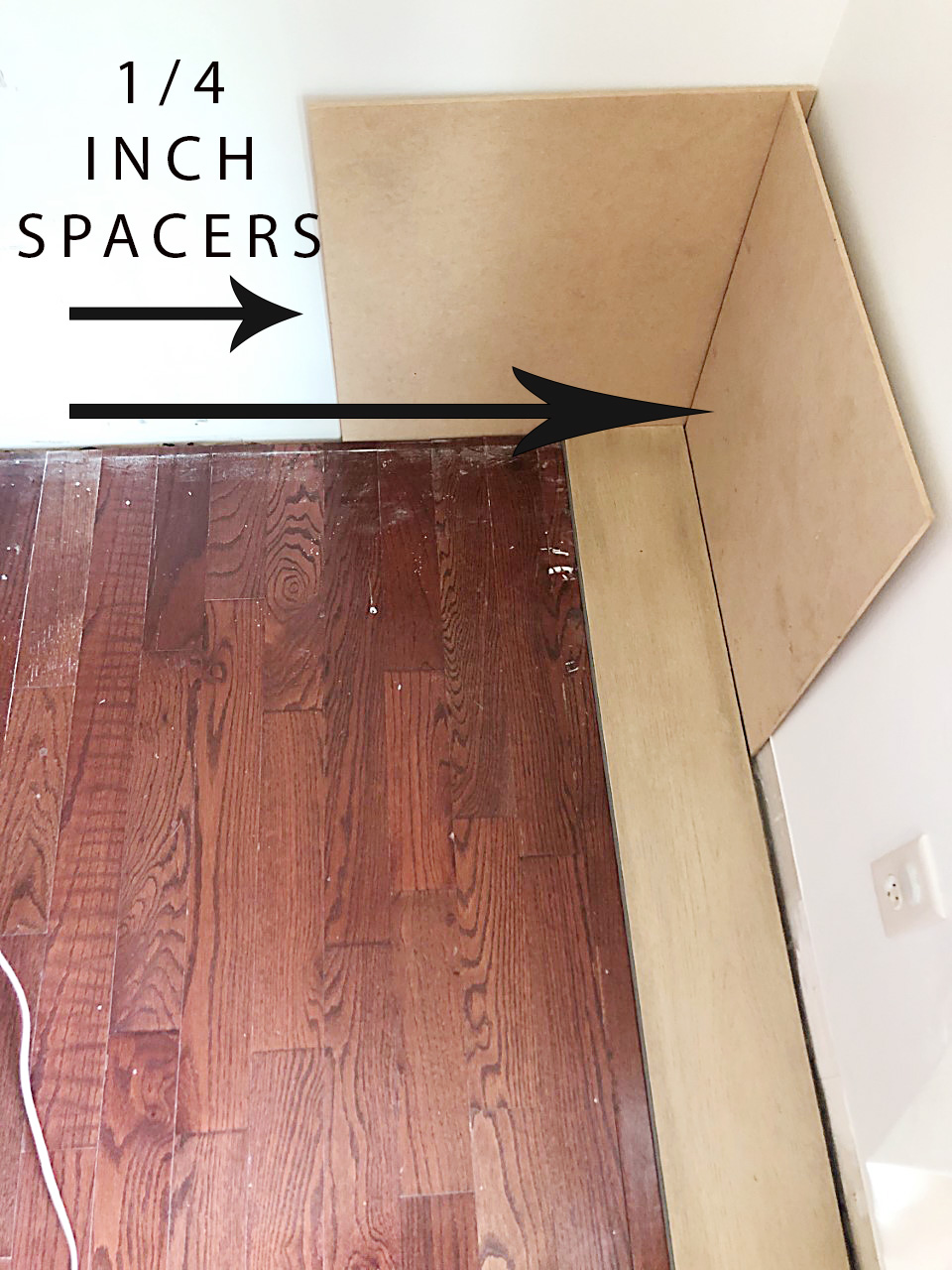
- Ensure the existing floor is level and plumb
- Use a suitable underlayment to provide a smooth and stable surface
- Choose a hardwood flooring product that is suitable for installation over existing flooring
- Follow manufacturer instructions for installation and maintenance
Professional Tips and Tricks
Here are some professional tips and tricks for installing hardwood flooring over old flooring:
- Use a high-quality underlayment to ensure a smooth and stable surface
- Choose a hardwood flooring product that is specifically designed for installation over existing flooring
- Follow manufacturer instructions for installation and maintenance
- Consider hiring a professional to ensure a high-quality installation
Saving Time and Reducing Costs
By installing new hardwood flooring over old flooring, homeowners can save time and reduce costs associated with removal and disposal. This can be especially beneficial for large-scale renovation projects.
Conclusion
Installing new hardwood flooring over old flooring can be a cost-effective and efficient way to improve the appearance and functionality of a home. By following the key considerations and professional tips outlined in this article, homeowners can ensure a smooth and successful installation. Whether you're a seasoned DIY expert or hiring a professional, investing in new hardwood flooring can be a worthwhile investment for your home.



:no_upscale()/cdn.vox-cdn.com/uploads/chorus_asset/file/19493650/0405_flooring_illo.jpg "How To Install Floating Hardwood Directly Over Existing Flooring")