Visa Requirements For Remote Workers
As the world continues to shrink, the concept of employment and visa requirements is evolving to accommodate the rise of remote work. Visa requirements for remote workers vary across countries, and it's essential to understand the rules and regulations to ensure a smooth and safe travel experience. In this article, we'll delve into the latest visa requirements for remote workers and explore the best countries to consider for your next remote work adventure.
What are Digital Nomad Visas?
Also known as remote work visas, digital nomad visas are designed to attract remote workers to a particular country by offering a stay permit for a specific period. These visas are usually issued for a year or two and can be extended, allowing remote workers to live and work in the country while contributing to the local economy.
Which Countries Offer Digital Nomad Visas?
More than 50 countries now offer digital nomad visas, each with its own set of requirements and regulations. Some popular countries include:
- Spain: The Spain digital nomad visa allows remote workers and freelancers from outside the EU to live in Spain while working for companies or clients located abroad.
- Thailand: The Destination Thailand Visa (DTV) is the most significant visa Thailand has launched for remote workers. The visa allows applicants to stay in Thailand for up to 5 years, with multiple entries and 180 days per entry.
- Portugal: The D8 Visa targets professionals employed or contracted by foreign companies. Applicants must prove a stable monthly income (typically four times the Portuguese minimum wage) and maintain a valid work contract or service agreement.
- South Korea: South Korea has introduced a digital nomad visa for remote professionals, allowing eligible foreign nationals working for overseas employers to stay in South Korea for up to one year, with the possibility of extension.
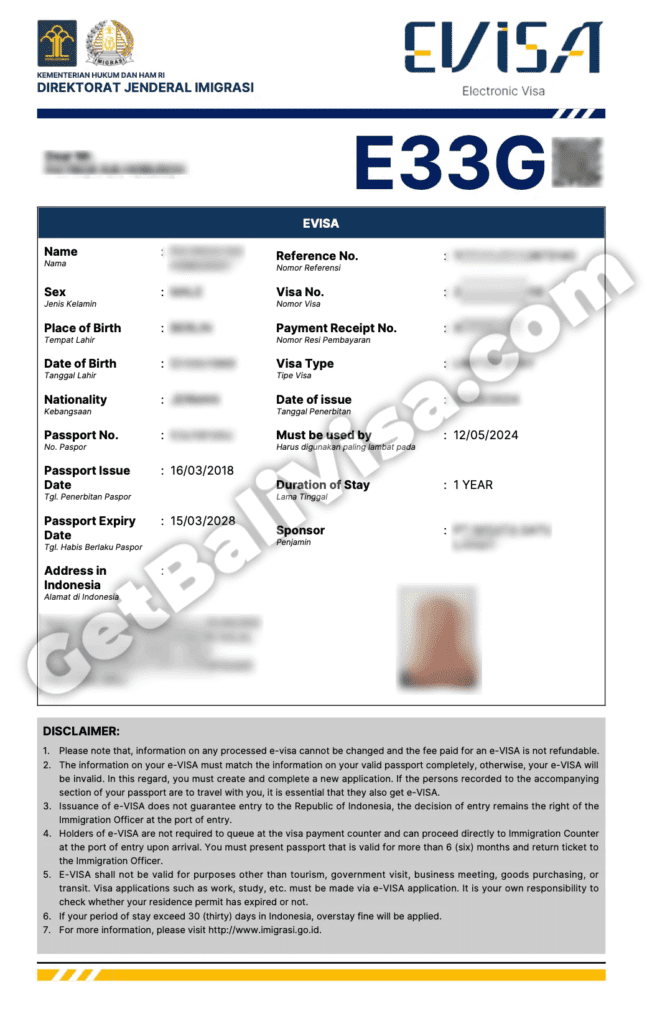
- Indonesia: The Indonesia digital nomad visa permits non-EU nationals to reside in Indonesia while working remotely for companies or clients located outside of Indonesia.
Visa Requirements for Remote Workers
To be eligible for a digital nomad visa, remote workers typically need to meet the following requirements:
- Proof of steady income: Remote workers must show proof of income, which can be in the form of a contract, a bank statement, or any other documentation showing a steady income stream.
- Travel health insurance: Remote workers must have health insurance that covers them for the duration of their stay in the country.
- Valid work contract: Remote workers must have a valid work contract or service agreement with a company or client.
- Clean criminal record: Remote workers must have a clean criminal record and may need to provide police clearance certificates.
- Proof of English proficiency: Some countries require remote workers to have a certificate of English proficiency, such as IELTS or TOEFL.
Tax Implications for Remote Workers
As a remote worker, it's essential to understand the tax implications of working in a foreign country. In some countries, remote workers are subject to the same taxation rules as local residents, while in others, they may be exempt from taxes or have reduced tax liabilities.
For example, in the United States, remote workers are subject to the same taxation rules as any other U.S. worker, including federal, state, and local taxes. However, they may be eligible for deductions and credits.
Conclusion
Visa requirements for remote workers are constantly evolving, and it's essential to stay up-to-date with the latest regulations and requirements. By understanding the visa requirements and tax implications, remote workers can navigate the complex world of international employment with ease. Whether you're a digital nomad or a remote worker, there are plenty of countries to choose from, each with its own unique advantages and benefits. So, pack your bags, grab your laptop, and explore the world of remote work!
Recommended Resources
For more information on visa requirements, tax implications, and remote work policies, we recommend checking out the following resources:
- Boundless: A comprehensive guide to remote work and U.S. visa requirements, immigration tips for digital nomads, and more.
- GovAssist: Expert guidance for travel visas, passports, and immigration, with over 1 million clients served.
- Learn how to become a digital nomad and find the best places to live and work remotely as a location-independent remote worker.