How Much Does a Solar System Cost: A Comprehensive Guide
Are you considering installing a solar system for your home, but wondering how much it will cost? The cost of a solar system can vary depending on several factors, including the size of the system, type of panel, and your location. In this article, we will break down the various factors that affect the cost of a solar system and provide you with a comprehensive guide on how much to expect to pay.
Factors Affecting Solar System Cost
Solar system costs can be affected by several factors, including:
- System size: The larger the system, the more expensive it will be.
- Type of panel: Monocrystalline panels are more expensive than polycrystalline panels.
- Home electricity needs: If you have a high energy consumption, you will need a larger system, which will cost more.
- Location: The cost of solar panels can vary depending on your location, with urban areas tend to be more expensive than rural areas.
- Installation company: The cost of installation can vary depending on the company you choose.
Cost of Solar Panels per Watt
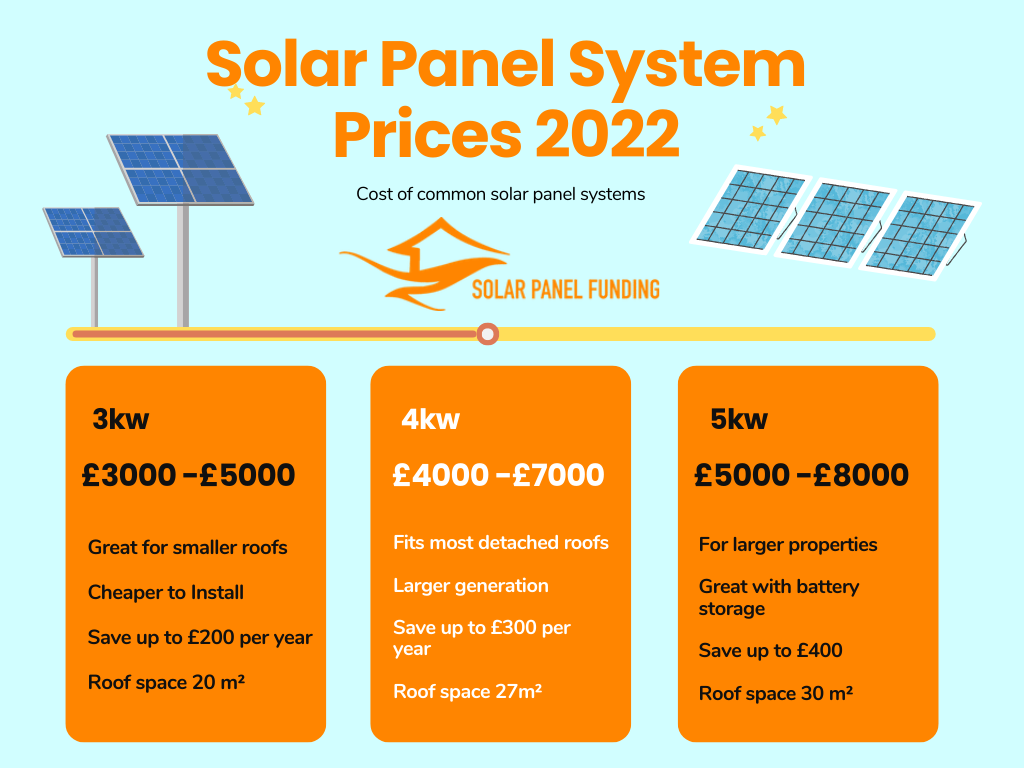
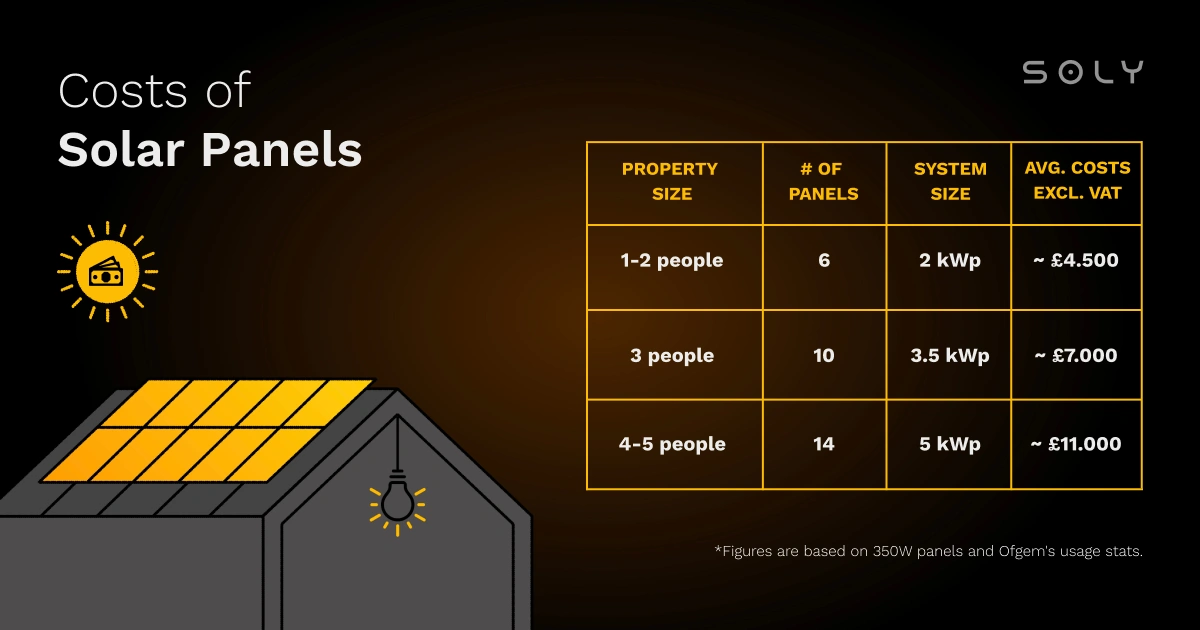
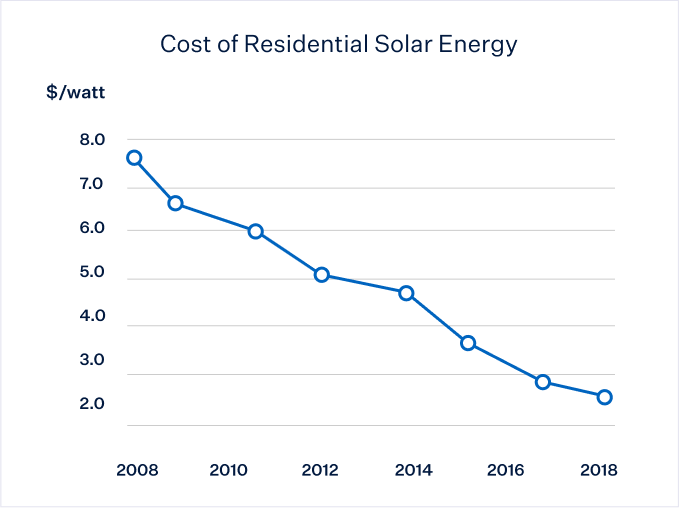
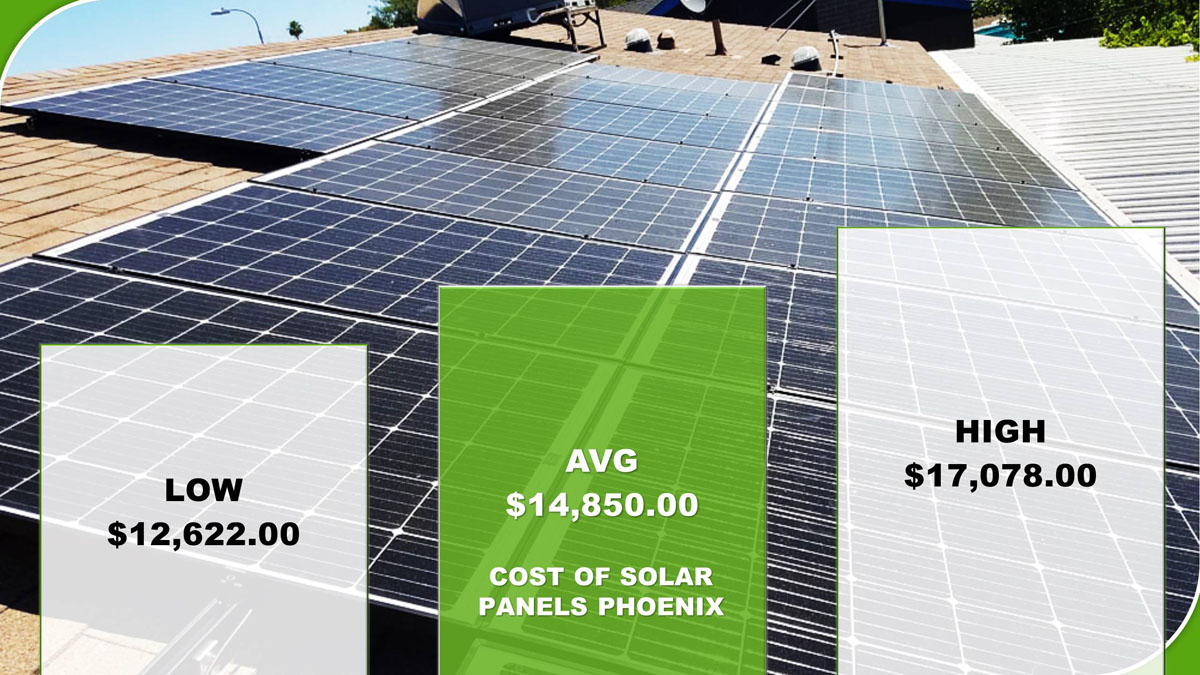
The cost of solar panels per watt can vary depending on the type of panel and the installation company. On average, the cost of solar panels per watt can range from $2.50 to $3.50. This means that a 5 kW system would cost between $12,500 and $17,500.
Cost of a Solar System per Square Foot
Cost of a Solar System per Square Foot
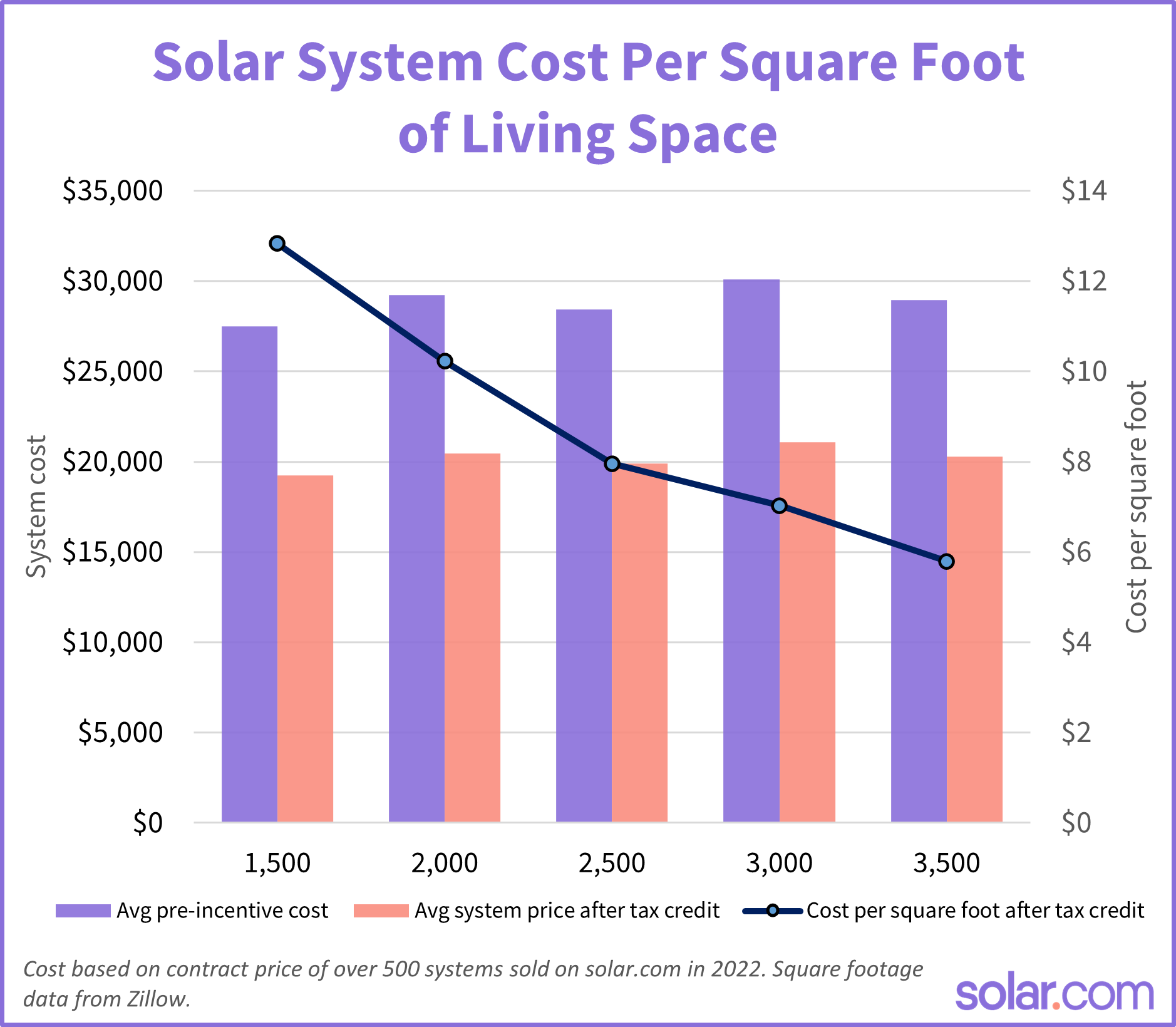
The cost of a solar system per square foot can vary depending on several factors, including the system size, energy use, location, and panel efficiency. According to a recent study, the average U.S. solar cost per square foot in 2025 is $6 to $12 after the 30% federal tax credit. However, it's essential to note that the most accurate pricing metric is still cost per watt, but per-sq-ft estimates can be helpful for ballpark figures.
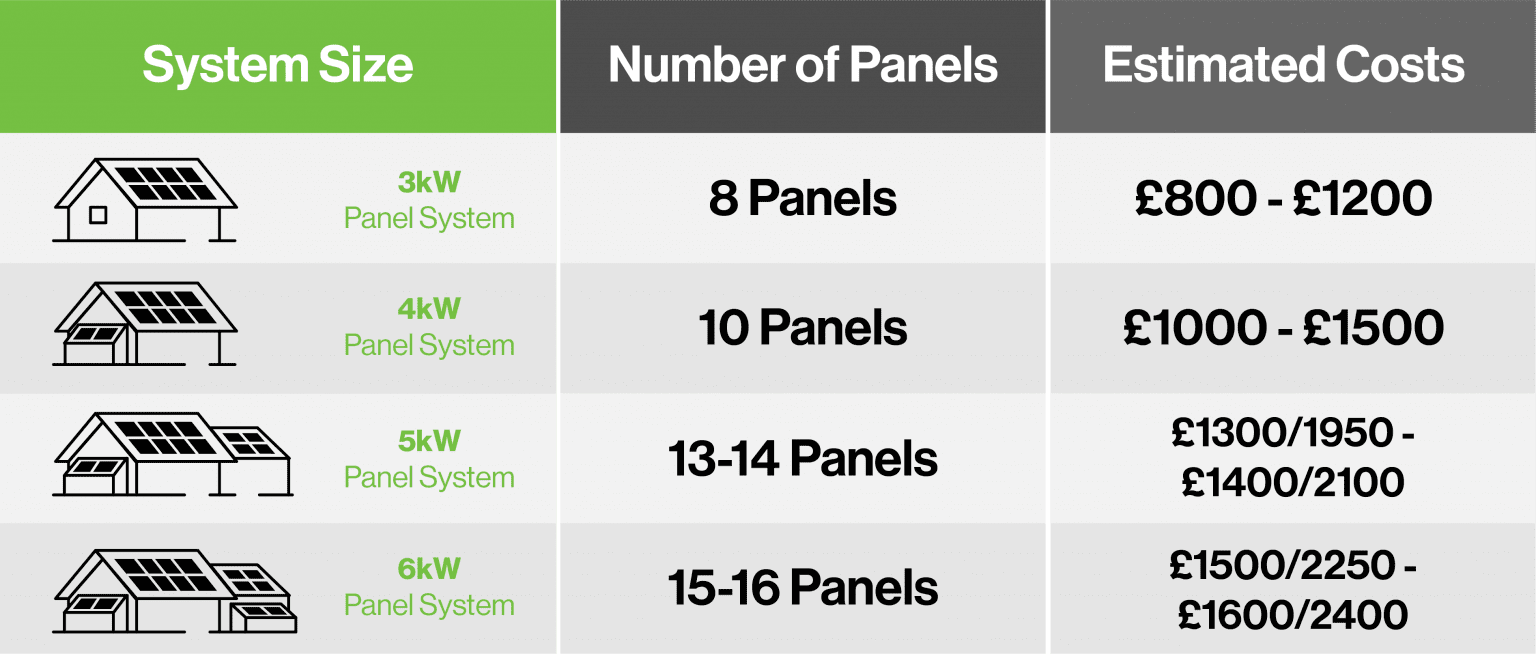
System Size and Cost
The cost of a solar system can vary depending on the system size. A 6- to 10-kW solar panel installation, for example, can cost between $12,600 to $31,500 after the 30% federal tax credit. A larger system, such as a 20-kW system, can cost upwards of $50,000 or more.

Location-Specific Costs
The cost of a solar system can also vary depending on your location. For example, the cost of solar panels in California can be higher than in other states due to the state's high electricity rates and more stringent building codes.
System Type and Cost
The type of solar system you choose can also affect the cost. A grid-tied system, which connects your solar system to the grid, can be less expensive than a stand-alone system, which is not connected to the grid.
Additional Features and Costs
In addition to the solar panels themselves, there are other costs to consider, such as:
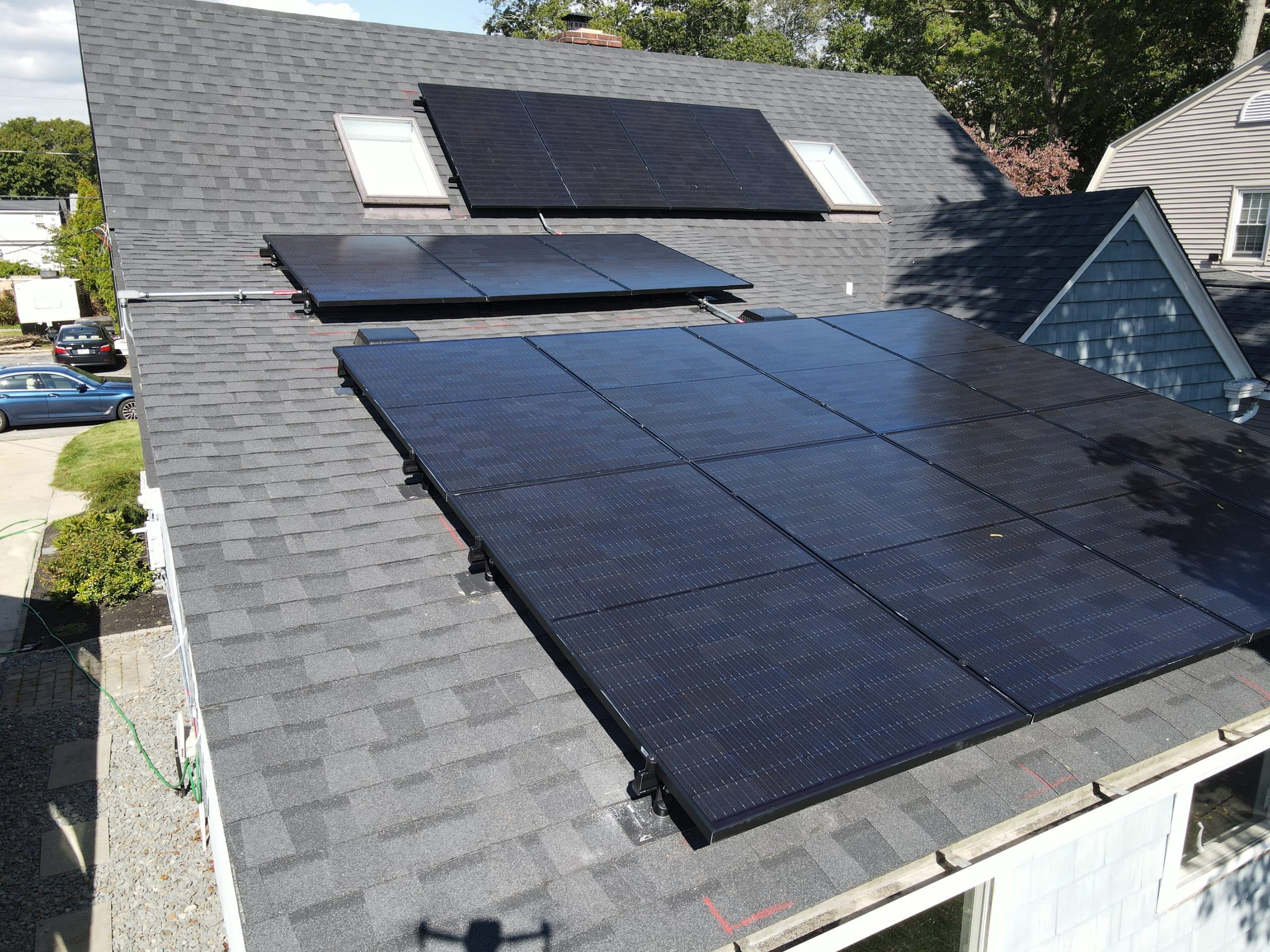
- Mounting hardware: This includes the racks, clips, and other equipment needed to secure the solar panels to your roof.
- Wiring and electrical connections: This includes the wiring and electrical connections needed to connect the solar panels to your home's electrical system.
- Battery storage: If you choose to include battery storage in your solar system, this can add significant cost to your overall system price.
- Inverters: Inverters are necessary to convert the DC power produced by the solar panels into AC power, which can be used in your home.
Conclusion
The cost of a solar system can vary depending on several factors, including system size, type of panel, and location. By understanding these factors and considering your energy needs and budget, you can make an informed decision about whether solar power is right for you. Remember to also consider any local and federal incentives that may be available to help offset the cost of a solar system.