International Trademark Registration Process: A Comprehensive Guide
The international trademark registration process is a complex and time-consuming procedure that requires careful planning and execution. Registering a trademark internationally can provide a business with global brand protection, but the process can be overwhelming for those who are not familiar with the different laws and regulations governing trademark registration in various countries.
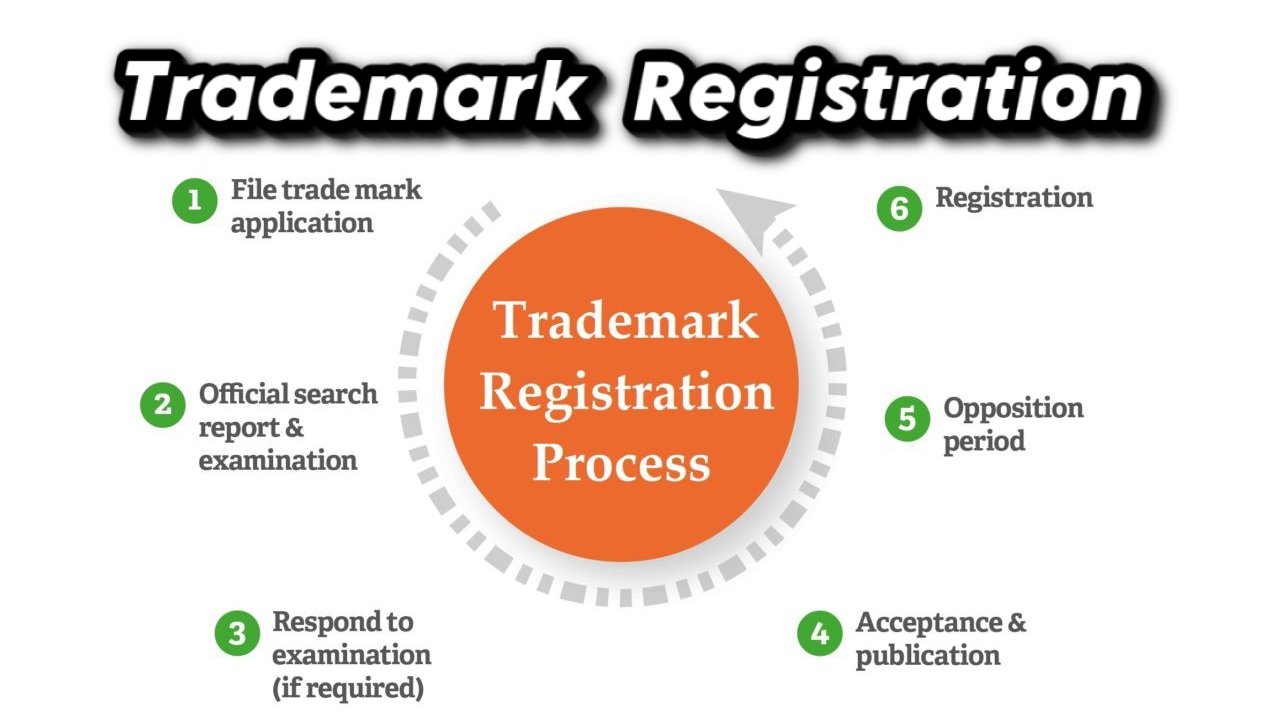
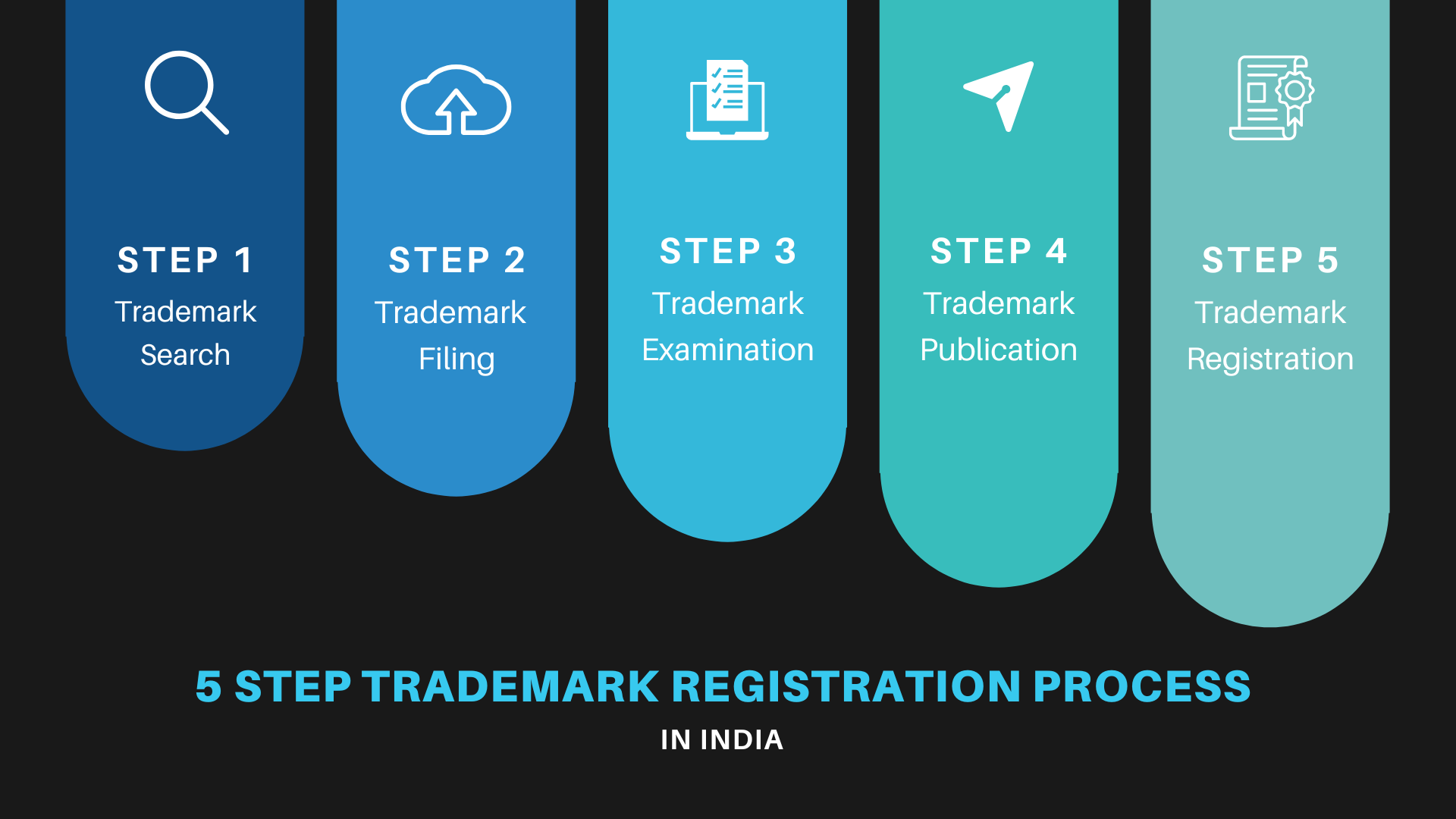
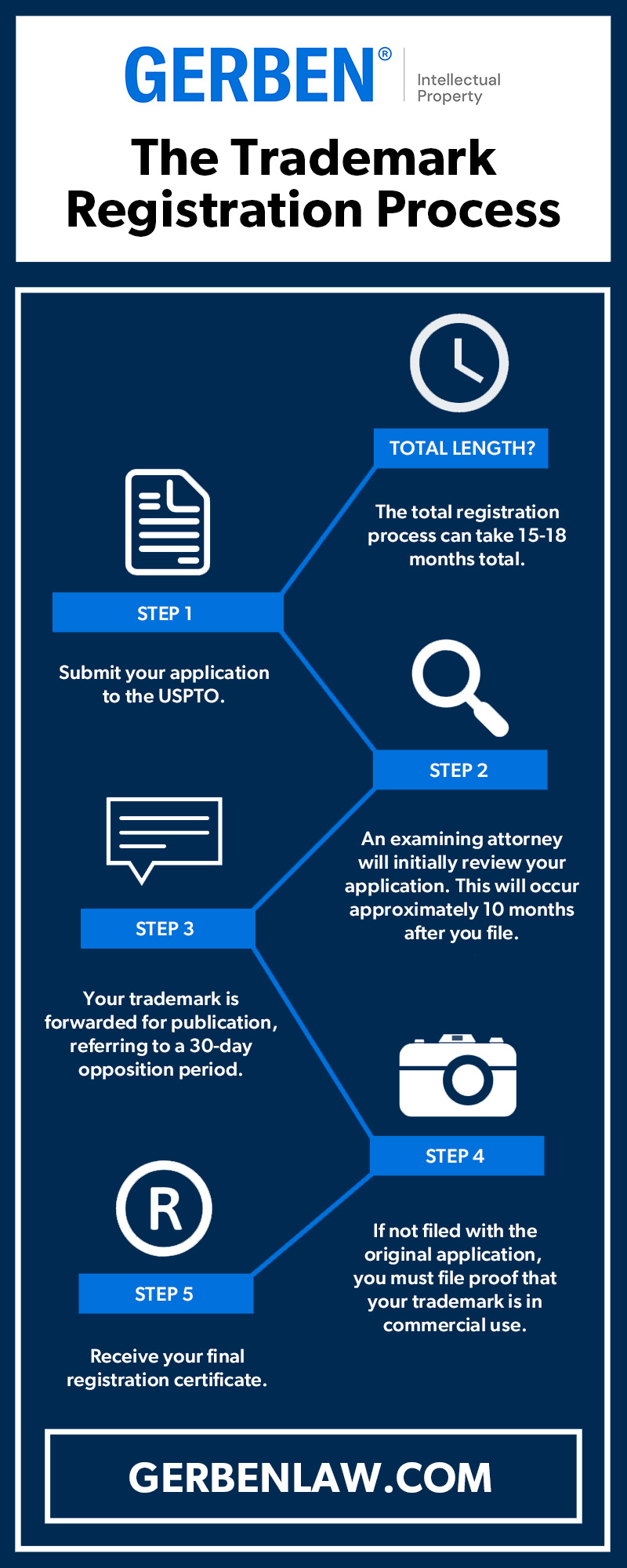
Step 1: Identify Countries Where Protection is Needed
The first step in the international trademark registration process is to identify the countries where trademark protection is needed. This involves conducting a thorough analysis of the target market to determine which countries have the most significant potential for business growth. The chosen countries must also be members of the Madrid Protocol, which is an international treaty that provides a single, streamlined procedure for registering trademarks in multiple countries.
Step 2: Conduct a Trademark Search
Once the countries have been identified, the next step is to conduct a comprehensive trademark search to determine whether the chosen trademark is available for registration in each country. This involves searching the relevant trademark databases, such as the Madrid database, to see if a similar trademark has already been registered.
Step 3: Prepare and File the Application
After identifying the countries where protection is needed and conducting a trademark search, the next step is to prepare and file the application for international trademark registration. This involves completing the necessary paperwork, including the international application for the registration of a trademark (IR), and submitting it to the International Bureau of the World Intellectual Property Organization (WIPO).
Step 4: Respond to Objections
Once the application has been filed, it will be reviewed by the relevant trademark offices in each country. There may be objections to the application, which must be addressed before the application can proceed. This involves submitting additional information and evidence to overcome any objections raised.
Step 5: Receive the Registration Certificate
After the application has been approved, the final step is to receive the registration certificate. This document confirms that the trademark has been registered in each country and provides proof of ownership.
Benefits of International Trademark Registration
The benefits of international trademark registration are clear. This process provides a business with global brand protection, which can help to prevent confusion and protect the investment in the brand. Additionally, international trademark registration can facilitate the expansion of a business into new markets and help to build a strong reputation globally.
Streamlining the International Trademark Registration Process
The Madrid e-filing system has simplified the international trademark registration process by providing a streamlined, electronic process for filing, managing, and renewing applications. This system enables businesses to file a single application for trademark registration in multiple countries and pay one set of fees, rather than filing separate applications in each country.
The Role of WIPO in the International Trademark Registration Process
WIPO plays a crucial role in the international trademark registration process. WIPO is responsible for managing the Madrid Protocol and administering the Madrid system, which provides a single, streamlined procedure for registering trademarks in multiple countries. WIPO also provides a range of services, including trademark search and classification, to support business in the trademark registration process.
Conclusion
The international trademark registration process is a complex and time-consuming procedure that requires careful planning and execution. However, the benefits of international trademark registration are clear, and the streamlined processes now available through the Madrid system make it more accessible and cost-effective for businesses. By following the steps outlined in this guide, businesses can ensure that their trademarks are protected globally and build a strong reputation in the process.
Additional Resources
- WIPO's Trademark Database: https://www.wipo.int/madrid/en/
- Madrid e-filing system: https://www.wipo.int/export/html/madrid-e-filing/
- USPTO Trademark Database: https://www.uspto.gov/trademarks-application-process/search-trademark-database
- TrademarkElite Trademark Search Database: https://www.trademarkelite.com/


![International Registration [Trademarks]: Understanding the Basics | US ...](https://easyfiling.us/wp-content/uploads/2024/11/Trademark-Registration-Process-in-the-USA.png "International Registration [Trademarks]: Understanding the Basics | US ...")