Mold Remediation After Flooding: A Comprehensive Guide
Flooding can be a devastating event, leaving homeowners and businesses with significant damage and potential health hazards. One of the most insidious consequences of flooding is mold growth. Mold can begin developing within 24-48 hours after water exposure, especially following flooding or plumbing leaks. If left unchecked, mold can spread rapidly, affecting indoor air quality and posing serious health risks.Understanding Mold Growth and Remediation
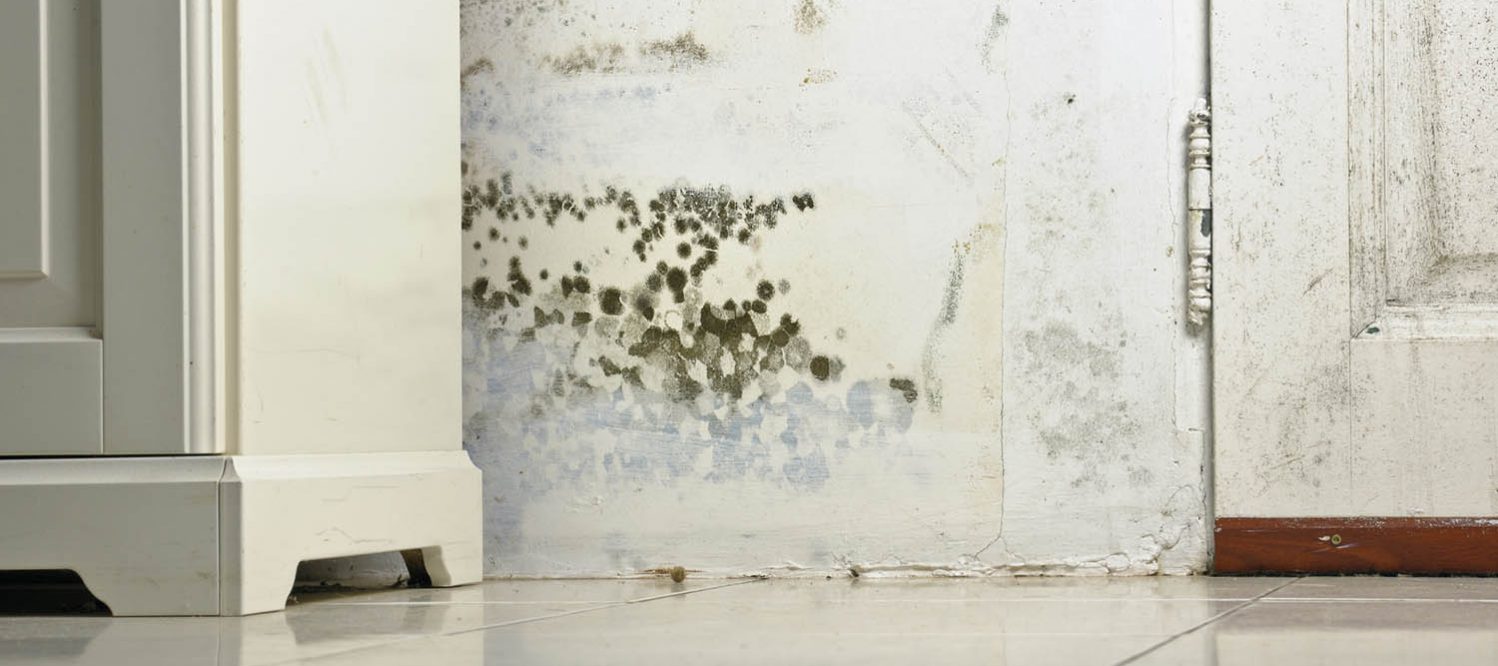
Mold is a type of fungus that thrives in damp environments. It can grow on various surfaces, including drywall, insulation, wood framing, and flooring materials. Mold growth is often a sign of underlying moisture issues, which can be caused by leaks, poor drainage, or flooding. When mold growth occurs, it's essential to take immediate action to prevent further damage and ensure a safe living or working environment.Assessing the Extent of Water Damage
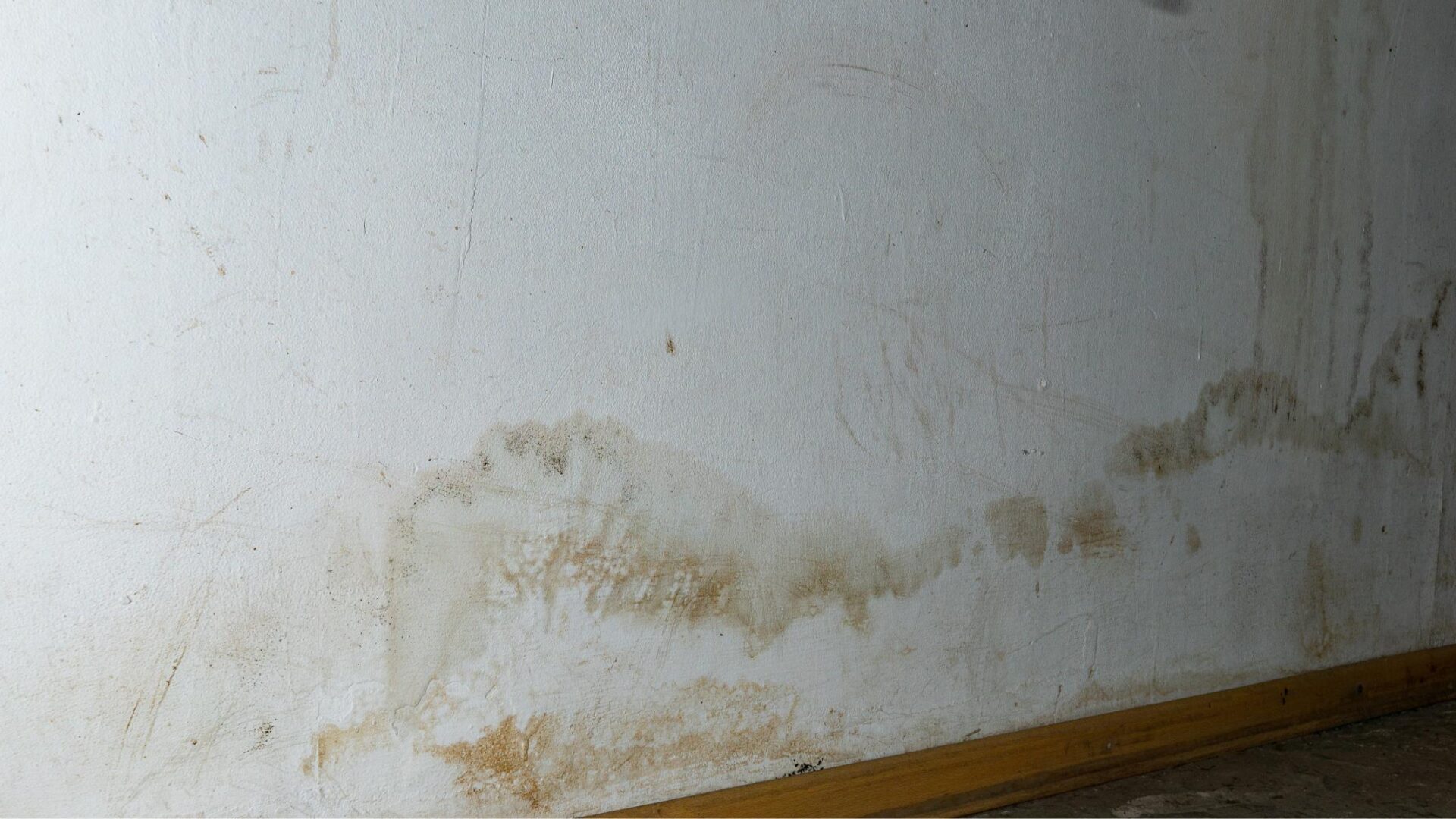
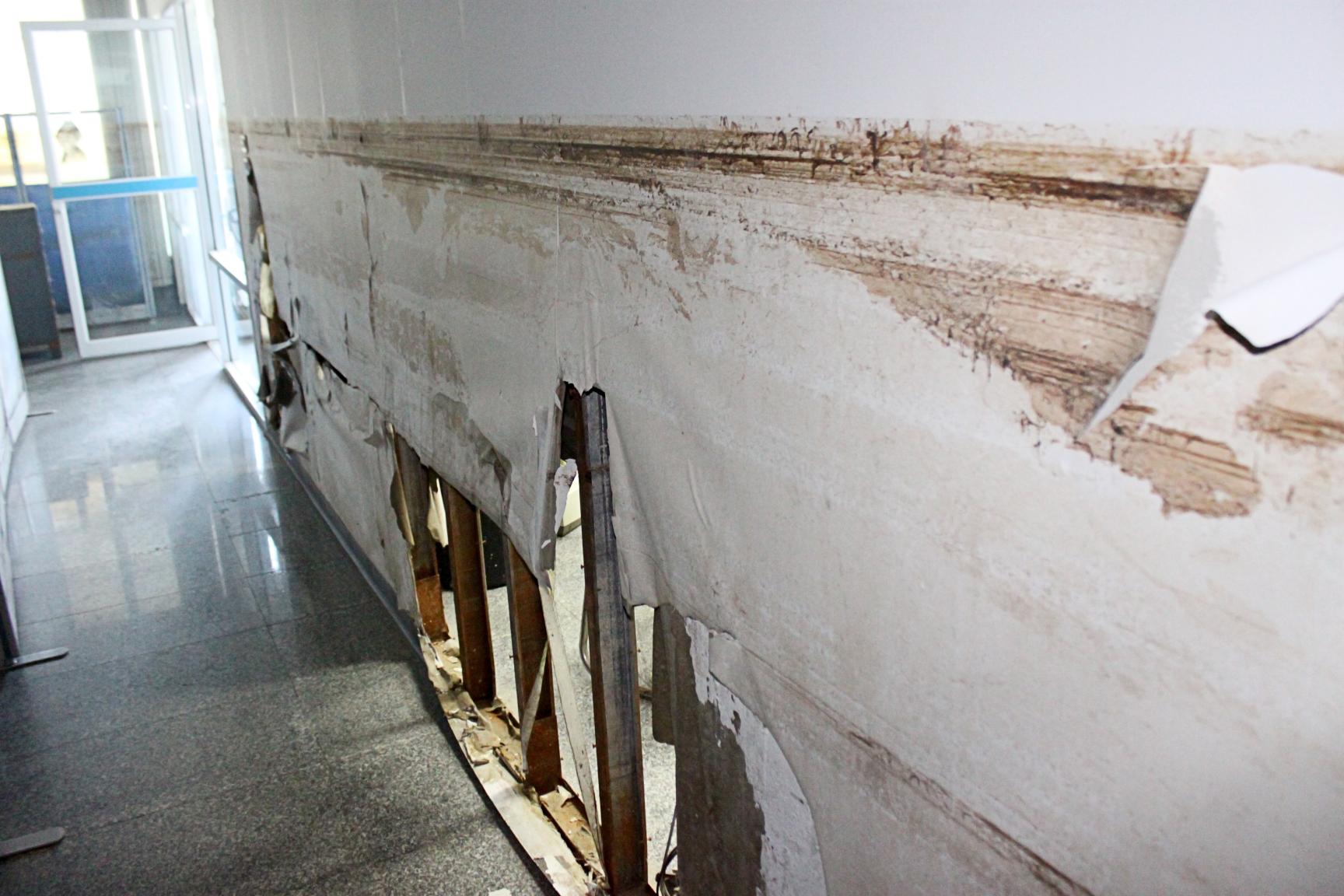
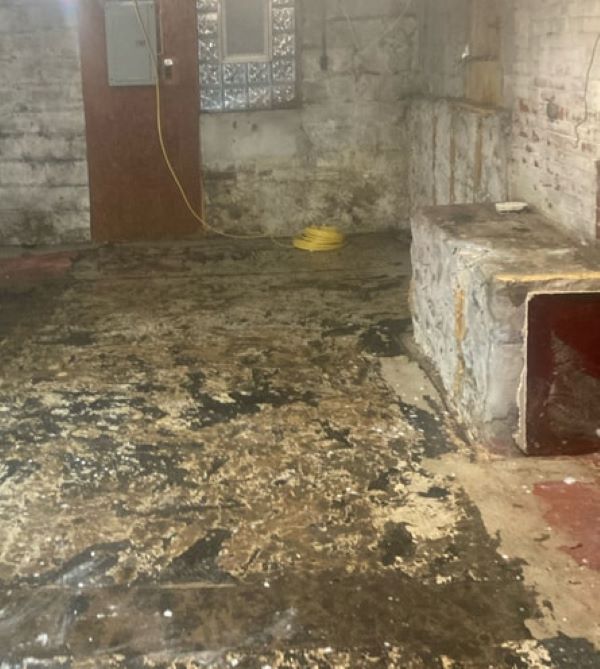
Before initiating mold remediation, it's crucial to evaluate the extent of water damage. This involves conducting a thorough water damage assessment to identify affected areas and prioritize remediation efforts. Look for signs of water intrusion, such as discoloration or warping, and use specialized equipment to detect hidden moisture.Personal Protective Equipment (PPE) and Safety Precautions
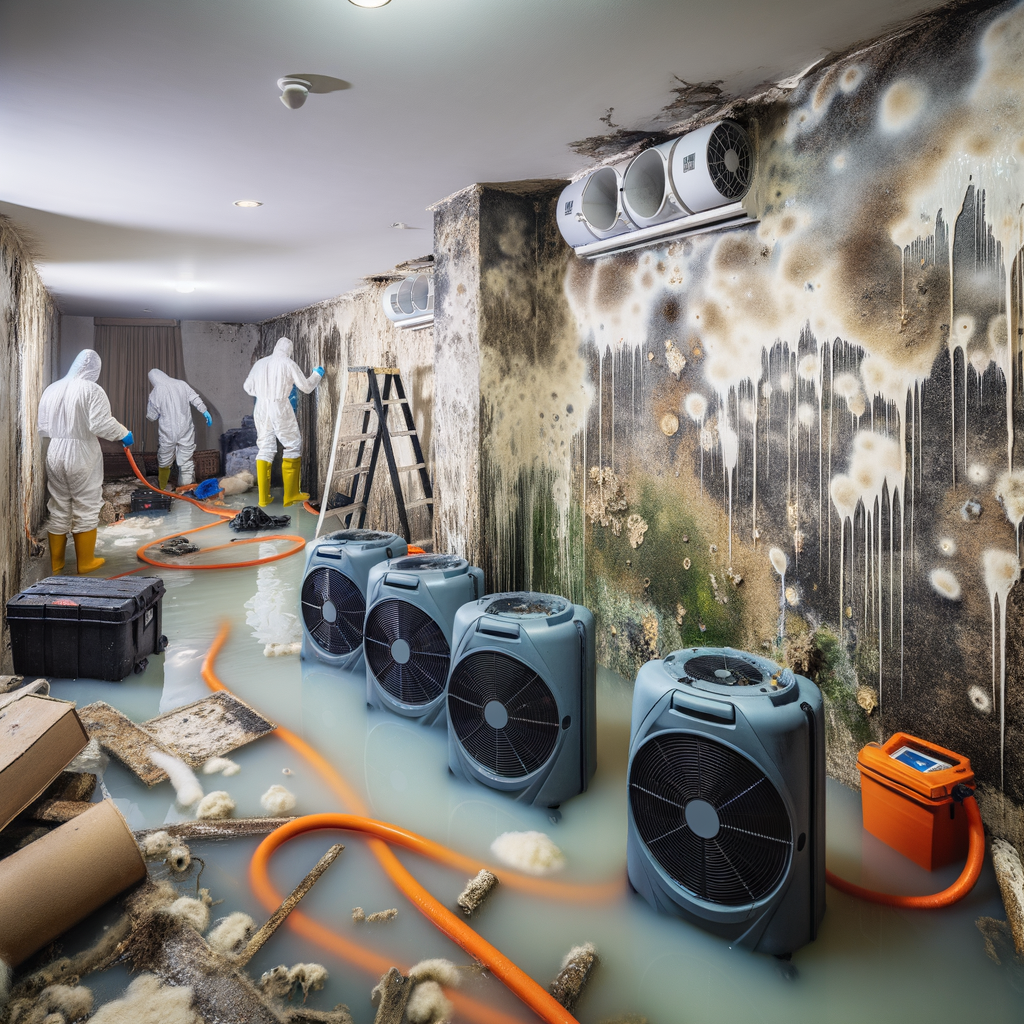
When handling mold remediation, it's essential to wear personal protective equipment (PPE), including an N-95 respirator, goggles, and protective gloves. This helps prevent exposure to mold spores and other airborne contaminants.Immediate Actions After Flooding
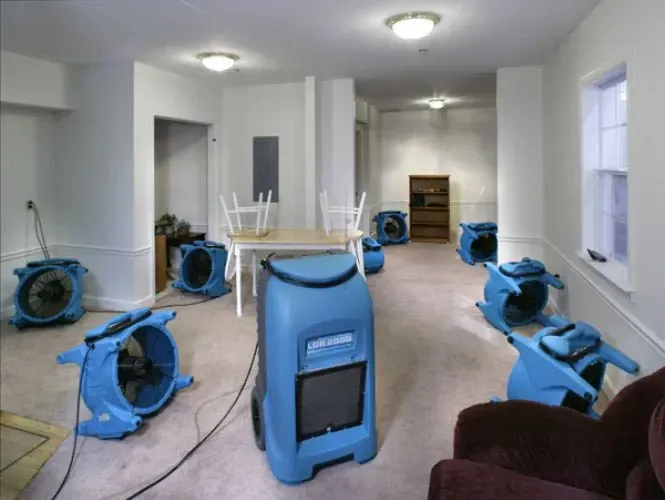
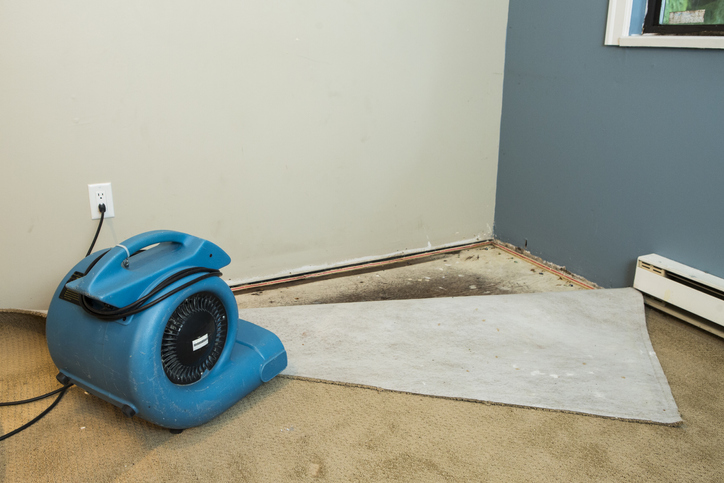
Acting quickly to remove water and dry the structure is the most effective way to prevent mold contamination. Immediate actions after flooding prioritize safety, rapid water removal, documentation, and containment to reduce mold growth risk.Remediation Strategies