Unlock the Power of Multi-Glazed Energy Efficiency
The Importance of Multi-Glazed Windows in Energy Conservation
As the world grapples with the pressing issue of climate change, reducing energy consumption and mitigating carbon emissions has become an urgent necessity. Buildings, in particular, play a crucial role in the energy equation, with fenestration being a key factor in heat transfer across the building envelope. In this article, we will delve into the world of multi-glazed windows, exploring their role in enhancing energy efficiency and reducing the environmental impact of our structures.
What are Multi-Glazed Windows?
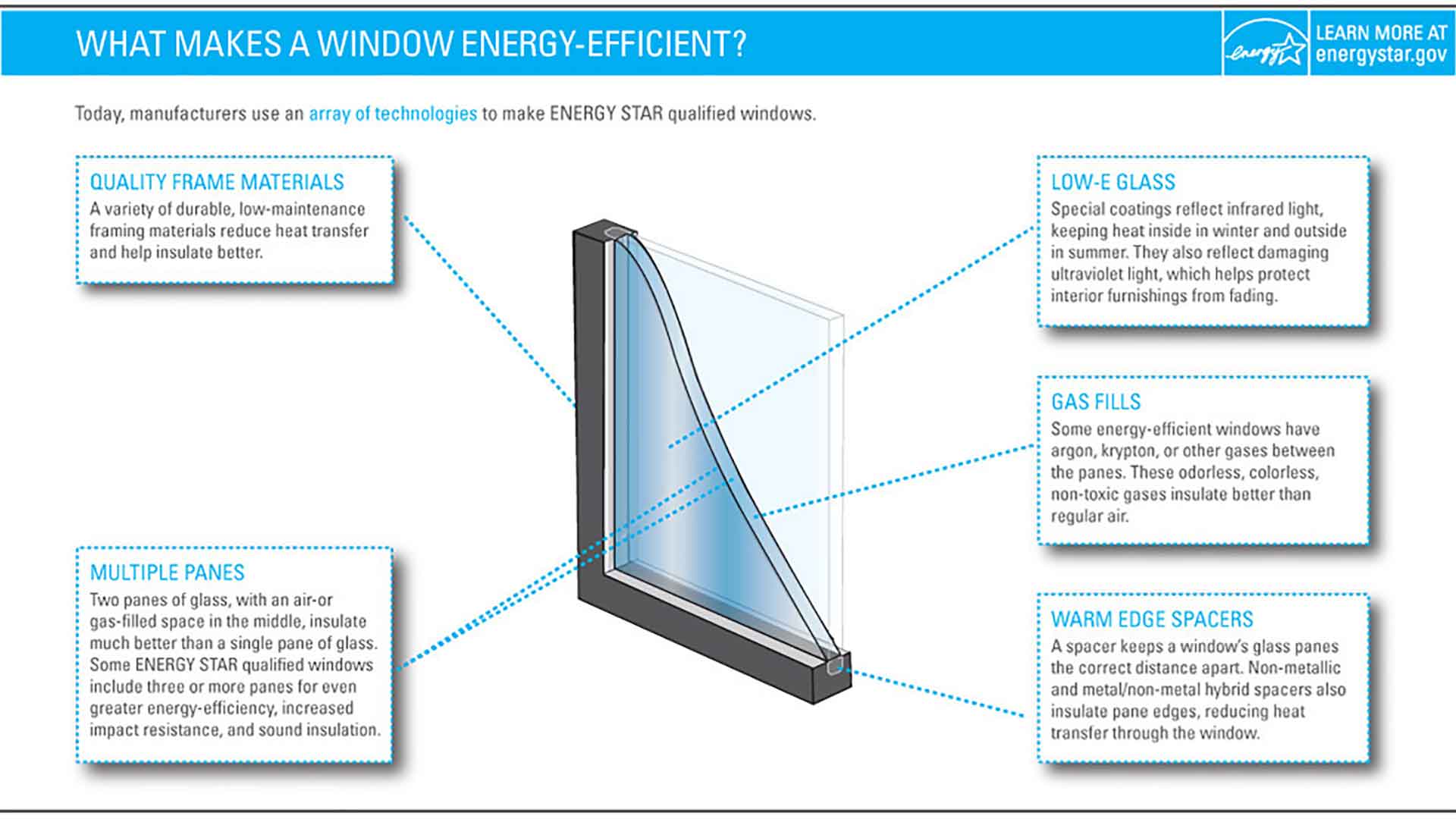
Multi-glazed windows are designed to improve energy efficiency by incorporating multiple layers of glass, gas fills, and other technologies. This design enhances insulation, reducing heat transfer and minimizing the energy required to heat and cool buildings. The concept of multi-glazed windows has been gaining traction in recent years, with various studies highlighting their potential for reducing energy consumption and CO2 emissions.
Types of Multi-Glazed Windows
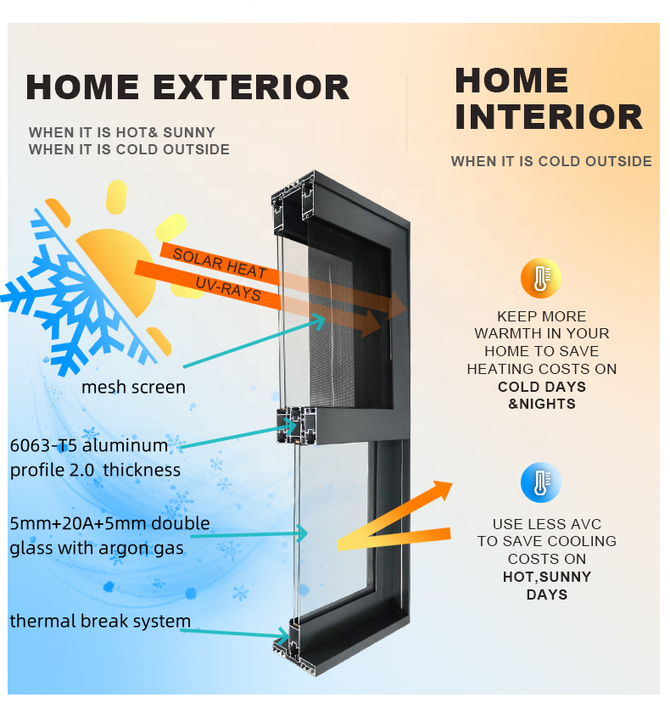
- Double Glazing: Double-glazed windows consist of two sheets of glass separated by a gap filled with an inert gas, such as argon. This design provides superior insulation compared to single-glazed windows, reducing heat transfer and energy consumption.
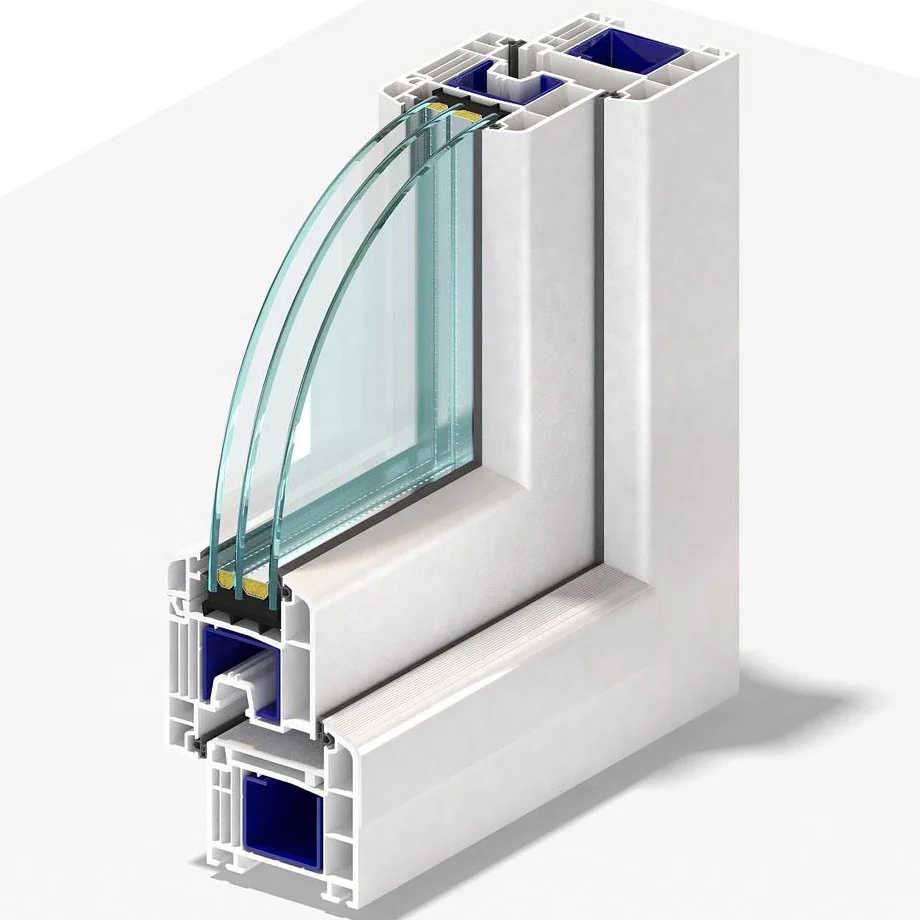
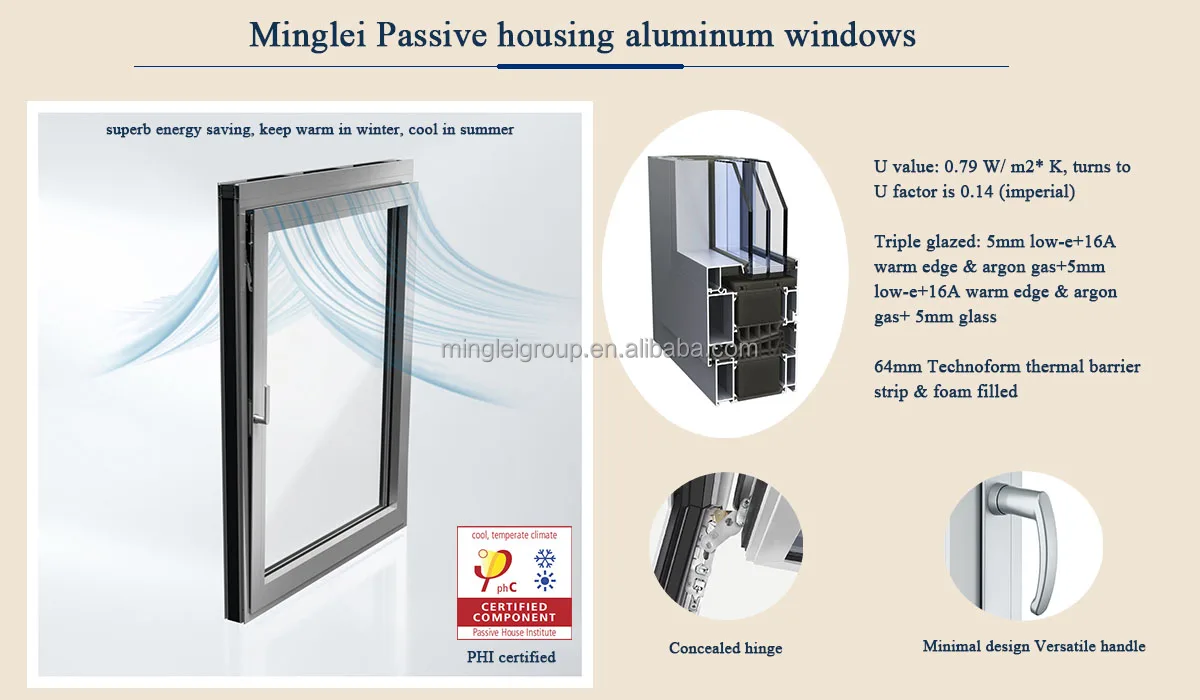
- Triple Glazing: Triple-glazed windows take it a step further, incorporating three layers of glass with a gas fill in between. This design offers even better insulation, making it suitable for colder climates and harsh weather conditions.
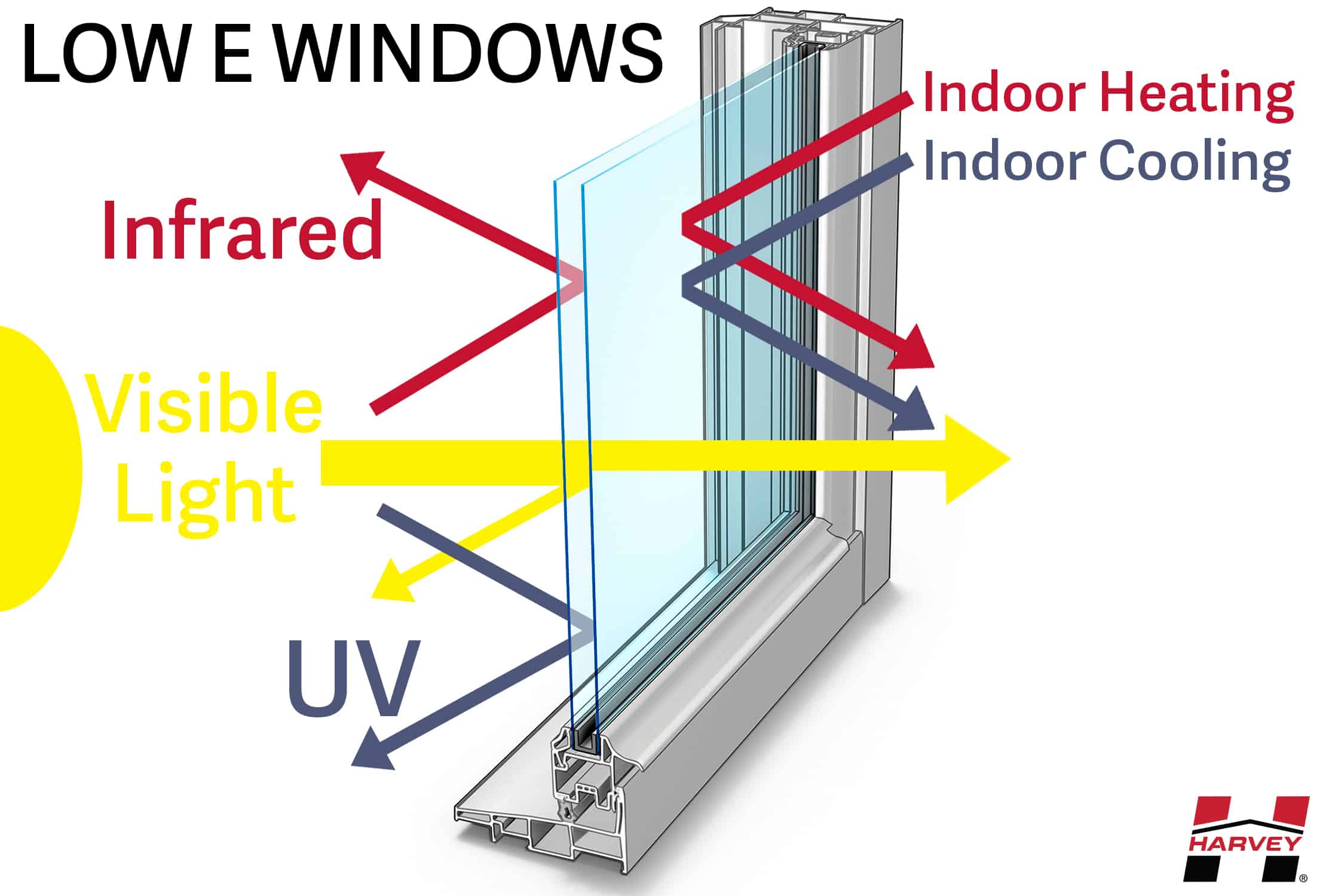
- Low-E Coatings: Some multi-glazed windows feature low-E coatings, which reduce solar heat gain while retaining high visible transmittance. This feature is particularly effective in reducing heat loss and energy consumption in temperate climates.
Benefits of Multi-Glazed Windows
- Improved Insulation: Multi-glazed windows provide better insulation, reducing heat transfer and keeping indoor spaces warmer in winter and cooler in summer.
- Energy Efficiency: By reducing heat transfer, multi-glazed windows contribute to energy efficiency, saving homeowners and businesses hundreds of dollars on heating and cooling costs.
- Noise Reduction: Multi-glazed windows also offer improved noise reduction, creating a peaceful indoor environment and reducing the impact of external noise pollution.
Advancements in Multi-Glazed Window Technology
Researchers and manufacturers are continually pushing the boundaries of multi-glazed window technology, exploring new materials, designs, and features to enhance energy efficiency and performance. Some recent advancements include:
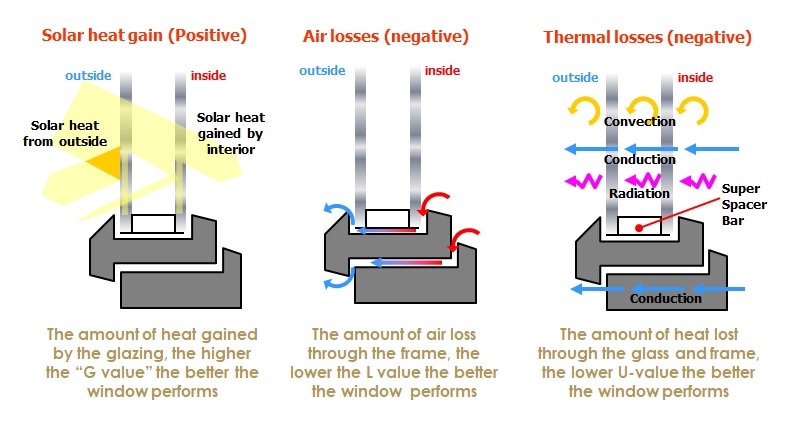
- Argon and Krypton Gas Fills: The use of argon and krypton gas fills in multi-glazed windows provides superior insulation, reducing heat transfer and energy consumption.
- Low-Conduction Edge Spacers: Low-conduction edge spacers minimize thermal bridging, further improving energy efficiency and reducing heat loss.
- Weather-Tight Seals: Advanced weather-tight seals ensure that multi-glazed windows remain airtight, reducing air leakage and energy losses.
Conclusion
Unlock the Full Potential of Multi-Glazed Windows
Throughout this article, we have explored the significance of multi-glazed windows in enhancing energy efficiency and reducing the environmental impact of our structures. By understanding the benefits and advancements in multi-glazed window technology, homeowners and businesses can make informed decisions about upgrading their fenestration to create energy-efficient and sustainable buildings.
As the world continues to grapple with the challenges of climate change, incorporating multi-glazed windows into building design and renovation projects will be a crucial step towards reducing energy consumption and mitigating carbon emissions. By making the most of this technology, we can create a more sustainable future for generations to come.