Residential Solar Panel Cost Factors: Understanding the Cost of Going Solar
Installing solar panels on your home can be a cost-effective way to generate clean energy and reduce your reliance on the grid. However, the cost of solar panels can vary widely depending on several factors. In this article, we'll break down the key cost factors to consider when planning your solar panel installation.
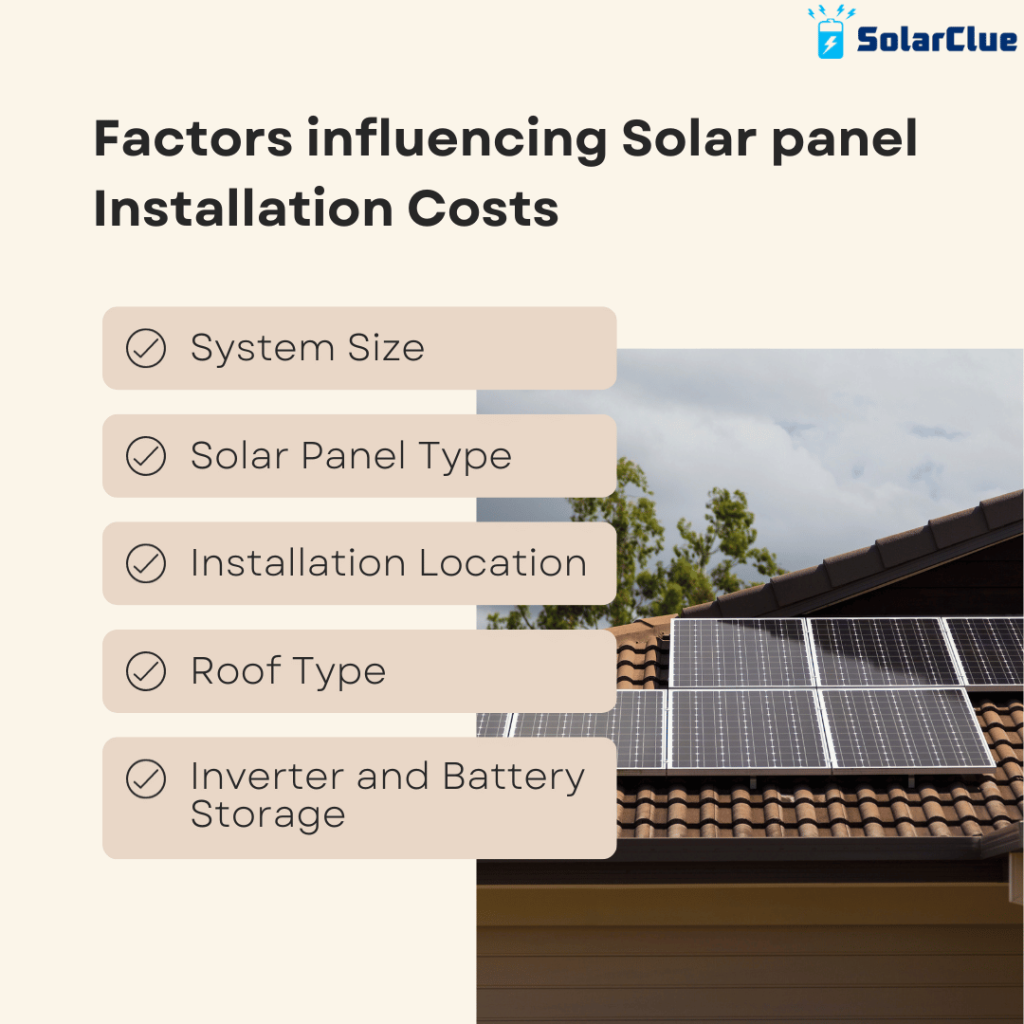
System Size and Design
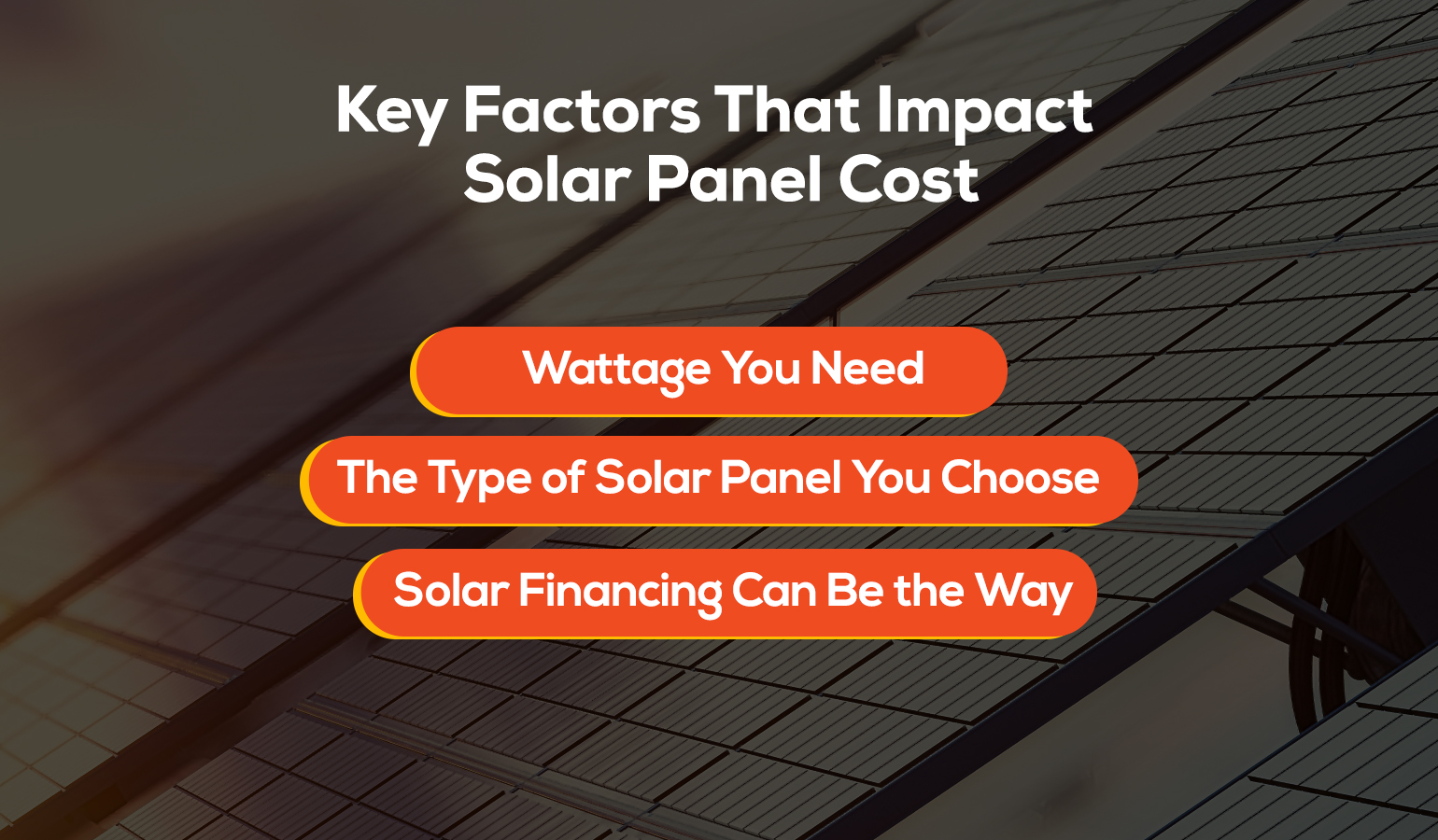
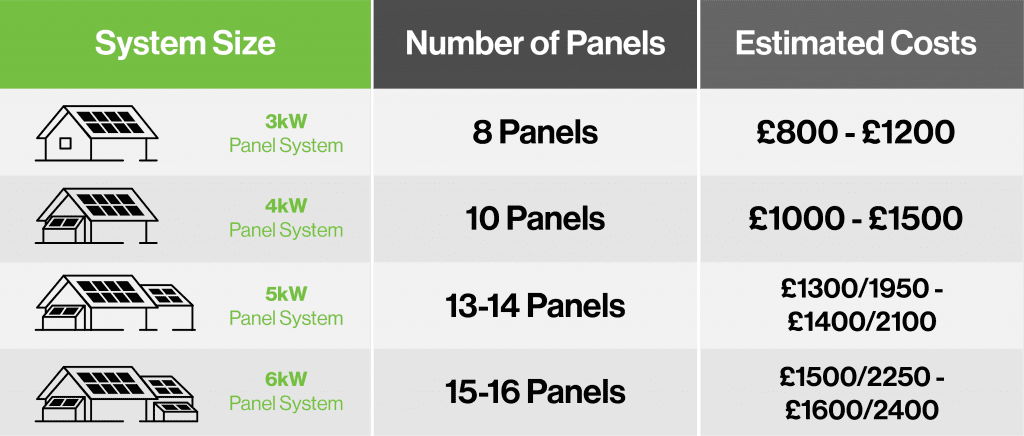
The size of your solar panel system is a significant factor in determining its cost. A larger system requires more panels, which increases the cost. However, a larger system also provides more energy, which can help offset the higher upfront cost. The cost per watt of a solar panel system typically ranges from $2.50 to $3.50 per watt, depending on the size of the system and the type of panels used.
Installation Costs
Professional installation is crucial for a solar panel system to function properly. The cost of installation can range from $2,000 to $5,000, depending on the complexity of the installation and the location of your home. Roof structure, electrical requirements, and access to the roof are all important factors to consider when determining the cost of installation.
Panel Efficiency and Type
The efficiency and type of solar panels can also impact the cost of your system. High-efficiency panels cost more than standard panels but provide more energy per panel. Monocrystalline panels are more expensive than polycrystalline panels, but they offer better efficiency. Thin-film panels are the least expensive option but have lower efficiency rates.
Roof Type and Condition
The condition and type of your roof can affect the cost of installation. A roof in good condition can accommodate solar panels without additional expenses. However, a roof that needs repairs or replacement before installation may increase the overall cost. Additionally, if you have a flat or low-slope roof, you may need to install additional supports or framing to secure the solar panels, adding to the cost.
Inverter Type and Battery Storage

The type of inverter used to convert DC power to AC power can also impact the cost of your solar panel system. String inverters are more cost-effective than microinverters but may require additional electrical work. Battery storage systems, which allow you to store excess energy for later use, can also increase the overall cost of your system.
Geographic Location and Climate
The climate and location of your home can also affect the cost of solar panels. Areas with high solar radiation and mild winters can benefit from larger solar panel systems, while areas with harsh winters and limited sunlight may require smaller systems. In regions with high electricity rates, the payback period may be shorter, making solar panels a more attractive option.
Incentives and Tax Credits
Federal and state tax credits, rebates, and net metering policies can significantly reduce the cost of solar panels. The federal solar tax credit offers a 30% tax credit for residential solar panel installations, while some states and utilities offer additional incentives. Research local incentives and tax credits to maximize your savings.
Financing Options
Financing options can also impact the cost of solar panels. Leasing solar panels offers a lower upfront cost but may result in higher long-term costs. Loans and grants can provide additional capital for solar panel installation, but interest rates and repayment terms must be carefully considered.
Conclusion
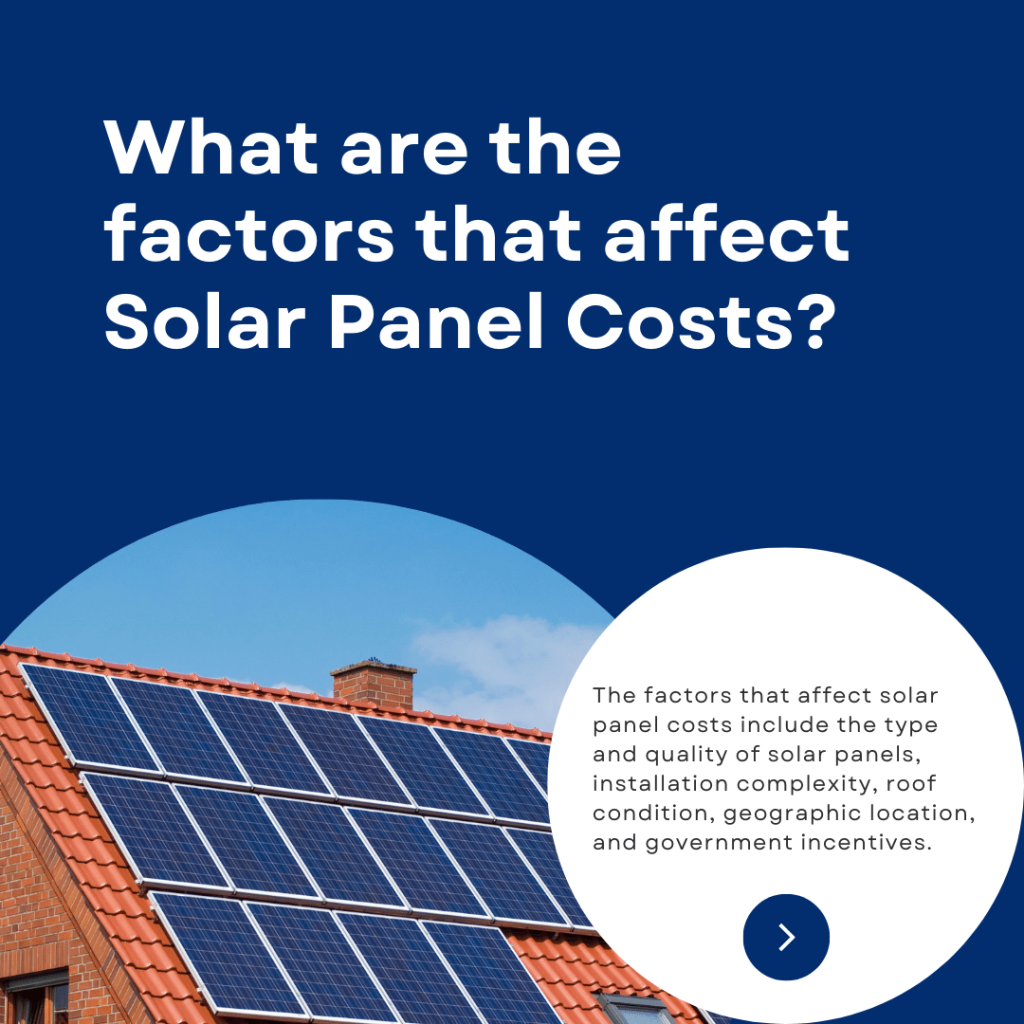
The cost of solar panels can vary widely depending on several factors. By considering system size and design, installation costs, panel efficiency and type, roof type and condition, inverter type and battery storage, geographic location and climate, incentives and tax credits, and financing options, you can make an informed decision about the cost of solar panels for your home. A typical residential solar panel system ranges from $18,000 to $43,000, but the actual cost can vary based on your specific needs and circumstances.