Understanding Trademark Protection Europe: A Comprehensive Guide
Today, trademarks are a crucial part of a business's identity and value. Your trademark is the way your customers identify you and your brand, setting you apart from the competition in Europe and ensuring your uniqueness in the market. As a company, protecting your trademark is essential to prevent counterfeiting, safeguard your brand reputation, and maintain a strong market presence. In this article, we'll delve into the intricacies of trademark protection in Europe, exploring the various aspects of trademark law and how it affects your business.
Why is Trademark Protection Important for Europe?
Trademark protection is a critical component of intellectual property laws in Europe, as it safeguards the distinctive signs, including brands, logos, and phrases, that define your business's identity. Protection of use-based trademark rights differs from country to country within Europe, whereas protection by registration gives you stronger rights against infringers. A trademark's value is central to your business's long-term success. When a brand's trademark is protected, customers recognize it as unique and quality, therefore increasing customer loyalty and allowing room for innovative action to your business strategies.
Options for Trademark Protection:
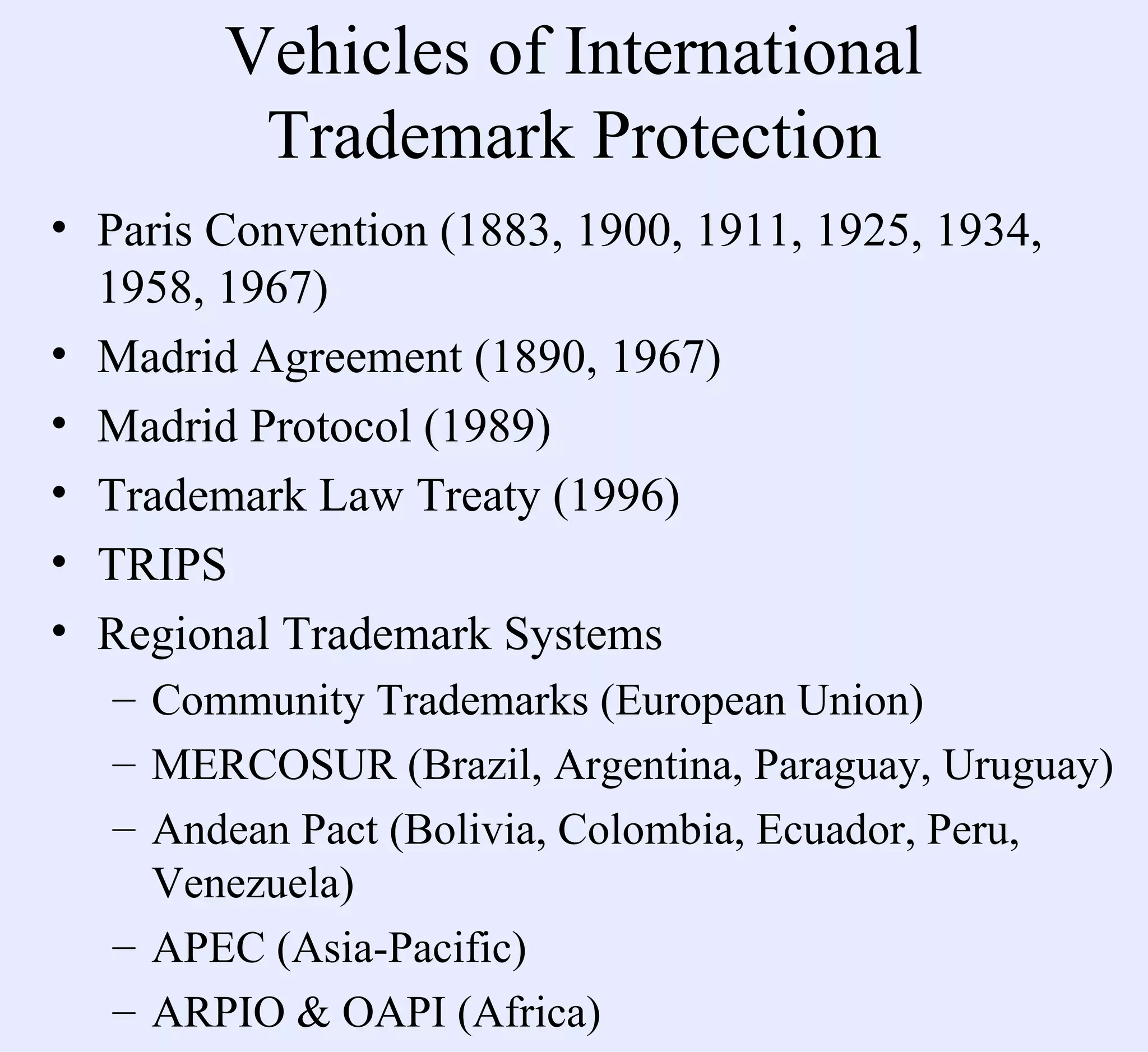
There are several options available for trademark protection within the EU. You can choose to apply for a national trademark or an EU trademark. National trademarks offer protection in the country where you filed the application, whereas an EU trademark (EUTM) gives you protection across all 27 EU member states from a single registration. This approach can be more cost-effective and efficient, especially for enterprises with an international presence or looking to expand into new markets.
Registering an EU Trademark:
Registering an EU trademark with the European Union Intellectual Property Office (EUIPO) is a crucial step in safeguarding your brand identity across Europe. The process of filing for a trademark is generally straightforward and involves submitting your application and supporting documentation to the EUIPO. This single registration grant you exclusive rights in all member states currently 27, requiring no need to apply for separate national registrations.
Ideas about what happens in the European Process:
- Unlike registered trademark rights, the protection of use-based trademark rights has not been harmonized in Europe and is therefore subject to the laws of each Member State.
- Only registered trademarks provide a more secure form of protection for your distinctive signs.
- Any kind of tool set that allows you access to bespoke data from the
- The Developers API is intended only for certain registered<> user who must specify their authorized APIs we develop app formats call scripts using our based libraries via HTTP