Designing a Long Tail Keyword Strategy: A Comprehensive Guide
Are you tired of struggling to rank your blog posts or articles on search engines? Do you want to increase your conversion rates and drive more targeted traffic to your website? If so, then designing a long tail keyword strategy is the answer. In this article, we will explore the concept of long tail keywords, their benefits, and provide a step-by-step guide on how to implement a successful long tail keyword strategy.
What are Long Tail Keywords?
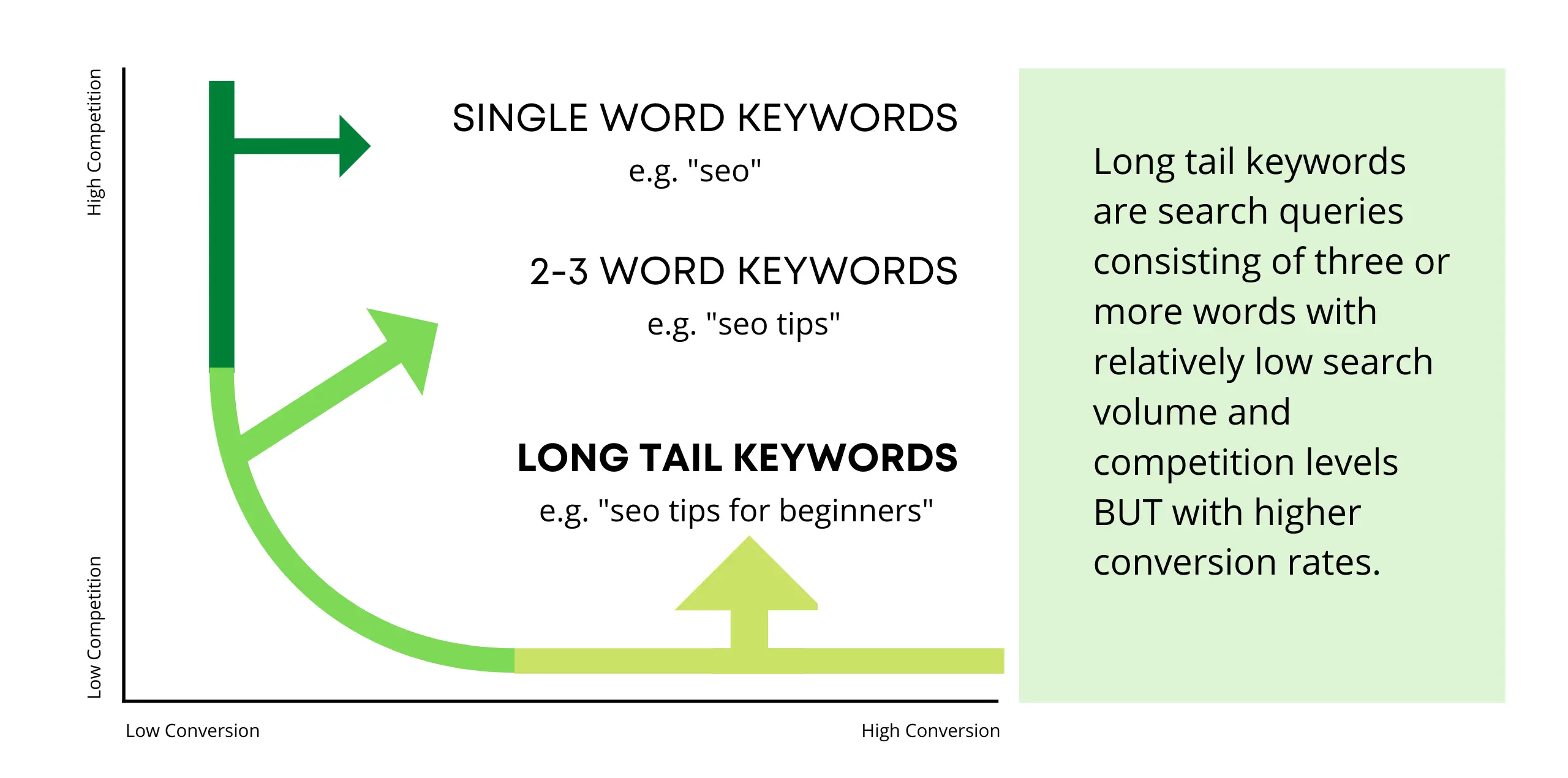
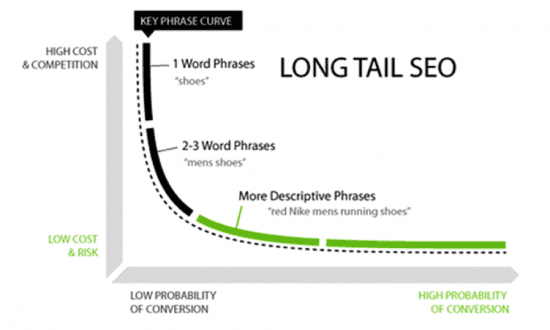
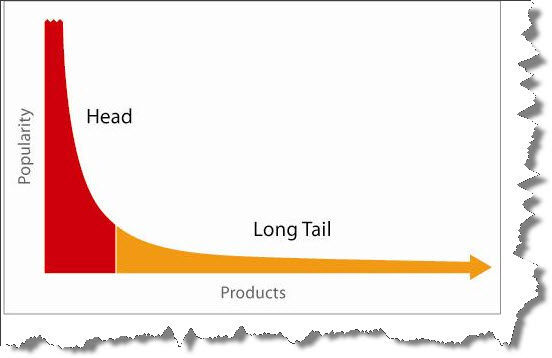
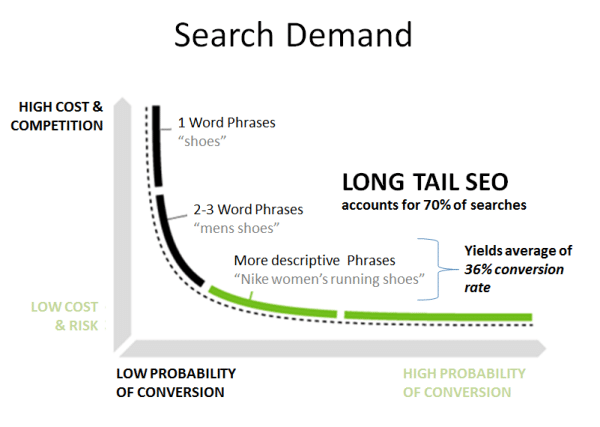
Long tail keywords are highly specific search queries that contain 3-5 words. They are less competitive and often have lower search volumes compared to broad, competitive "head" keywords. However, they also have higher conversion rates and are more targeted to your business. For example, "best professional teeth whitening kits with FDA approval for Amazon FBA" is a long tail keyword that is more specific than its broad counterpart, "teeth whitening kits."
Benefits of Long Tail Keywords
- Lower competition: Long tail keywords have less competition compared to broad keywords, making it easier to rank your website.
- Higher conversion rates: Long tail keywords are more targeted to your business and have higher conversion rates compared to broad keywords.
- Better ROI: Long tail keywords provide a more affordable advertising approach compared to broad keywords.
- Targeted traffic: Long tail keywords drive more targeted traffic to your website, resulting in higher conversion rates.
How to Design a Long Tail Keyword Strategy
Designing a long tail keyword strategy involves several steps, including keyword research, optimizing your content, and tracking your results. Here's a step-by-step guide on how to implement a successful long tail keyword strategy:
Step 1: Keyword Research
Start by conducting keyword research using tools like Ubersuggest and AnswerThePublic. These tools help you find long tail keyword variations that are specific to your business.
Step 2: Identify Your Primary and Secondary Keywords
Once you have your list of long tail keywords, identify your primary and secondary keywords. Your primary keyword should be the most specific and targeted to your business, while your secondary keywords should be less specific but still relevant.
Step 3: Optimize Your Content
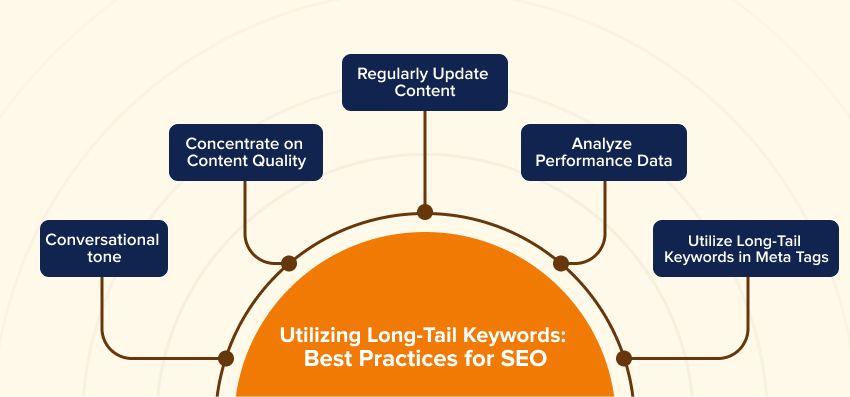
Optimize your content by incorporating your primary and secondary keywords into your page titles, headings, and meta descriptions. Make sure to use a keyword density of 1-2% to avoid keyword stuffing.
Step 4: Keyword Clustering
Keyword clustering refers to grouping similar long tail keywords together. This helps you to target multiple long tail keywords with a single piece of content.
Step 5: Tracking and Analysis
Finally, track and analyze your results using tools like Google Analytics and Search Console. This will help you to determine the effectiveness of your long tail keyword strategy and make adjustments as needed.
Conclusion
Designing a long tail keyword strategy is a straightforward and cost-effective process that can help you drive more targeted traffic to your website and improve your conversion rates. By following the steps outlined in this article, you can create a successful long tail keyword strategy that will help you achieve your business goals. Remember to continue tracking and analyzing your results to ensure the ongoing success of your long tail keyword strategy.
Additional Tips
- Use keyword research tools like Ubersuggest and AnswerThePublic to find long tail keyword variations.
- Identify your primary and secondary keywords and optimize your content accordingly.
- Use keyword clustering to target multiple long tail keywords with a single piece of content.
- Track and analyze your results using tools like Google Analytics and Search Console.
- Continuously refine and adjust your long tail keyword strategy to ensure ongoing success.
Common Mistakes to Avoid
- Keyword stuffing: Avoid using too many keywords in your content, as this can lead to penalties from search engines.
- Ignoring keyword research: Failing to conduct keyword research can result in ineffective long tail keyword strategies.
- Not using keyword clustering: Failing to group similar long tail keywords together can result in missed opportunities.
- Not tracking and analyzing results: Failing to track and analyze results can make it difficult to refine and adjust your long tail keyword strategy.