Influencing Export License Regulations: A Comprehensive Guide
Export licenses play a vital role in the global trade ecosystem, acting as a regulatory mechanism to ensure that sensitive or strategic goods and technologies are transferred across borders in a controlled manner. However, navigating the complexities of export licensing can be daunting, with the ever-changing landscape of regulations and laws adding to the pressure.
The Role of Export Licenses
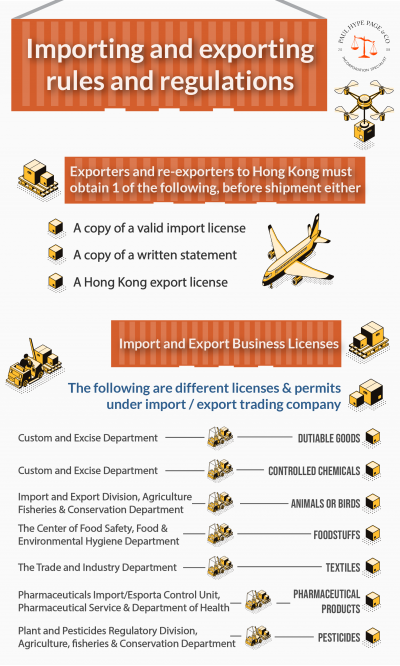
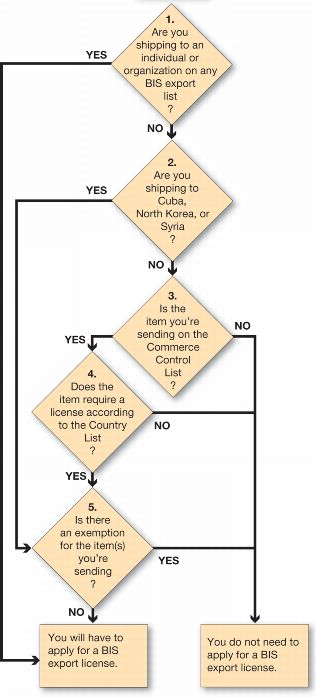
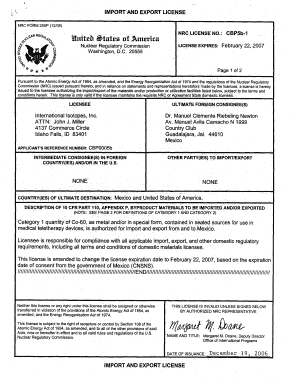
Export licenses are a government-issued document that authorizes or grants permission to conduct a specific export transaction, including the export of technology. The type of license required depends on various factors, including the product, country, end-use, and end-user. Additionally, export licenses can be used to control the movement of goods across borders, ensuring that sensitive or strategic items are not misused.
Factors Influencing Export License Regulations
Several factors influence export license regulations, including:
- National Policies:** Government policies play a significant role in shaping export license regulations. Governments may impose restrictions on certain items to protect national security interests, promote foreign policy objectives, or prevent the proliferation of sensitive technologies.
- Product Classifications:** Export licenses are often required for specific goods or technologies, such as dual-use items, military equipment, or cryptography software. The classification of products can impact the licensing requirements.
- International Agreements:** International agreements, such as the Wassenaar Arrangement, can influence export license regulations by establishing common standards and guiding principles for member countries.
- Regional Trade Agreements:** Regional trade agreements, such as the North American Free Trade Agreement (NAFTA), can also impact export license regulations by reducing or eliminating tariffs and other trade barriers.
Understanding Export Controls
Export controls govern the export of goods and technologies to foreign entities, often to prevent the misuse of sensitive items. Export controls can be enforced through various mechanisms, including export licenses, embargos, and other licensing requirements.

Export controls serve multiple purposes, including:
- Protecting National Security:** Export controls can prevent the transfer of sensitive technologies or military equipment to countries or entities that may use them against national security interests.
- Preventing Proliferation:** Export controls can prevent the spread of sensitive technologies, such as nuclear or missile technology, to countries or entities that may misuse them.
- Compliance Obligations:** Export controls can ensure that exporters comply with international obligations and regulations, such as those established by the Wassenaar Arrangement.
Influencing Export License Regulations
Businesses operating in the global trade environment must navigate the complex landscape of export license regulations. Influence export license regulations by:
- Staying Informed:** Stay up-to-date with the latest changes to export regulations and laws to ensure compliance with evolving requirements.
- Classifying Products:** Properly classify products to determine the necessary export license requirements.
- Obtaining Licenses:** Obtain export licenses for products requiring them, and be prepared to submit detailed documentation and information about the goods being exported.
- Developing Compliance Procedures:** Establish compliance procedures to ensure adherence to export regulations, including training personnel and maintaining records.
Conclusion
The export licensing regime is a complex system that aims to balance trade with national security and regulatory interests. Understanding the factors influencing export license regulations and staying informed about changes to export laws and regulations can help businesses navigate the export licensing process effectively.

+(EU+Exit)+Regulations+2019.jpg "U.S. Export Regulations - International Trade Administration")