Dietary Fiber and GLP-1: The Science Behind Weight Loss
As the obesity epidemic continues to spread, the medical community has turned to innovative treatments like GLP-1 medications to help patients achieve weight loss. However, these medications often come with side effects like nausea and constipation, which can be mitigated with dietary changes. In this article, we'll explore the relationship between dietary fiber and GLP-1, and uncover the secrets to supporting regularity and nutrient intake on these powerful medications.
The Role of Fiber in GLP-1 Nutrition
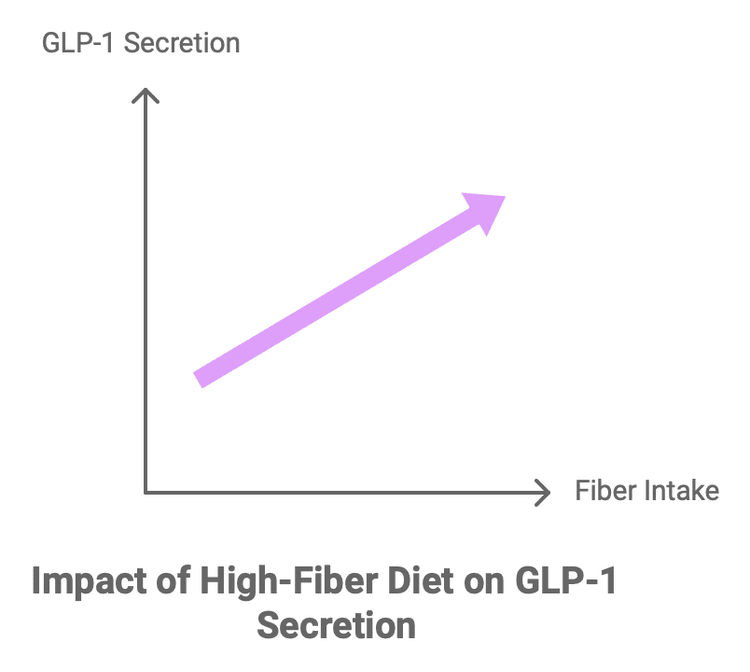
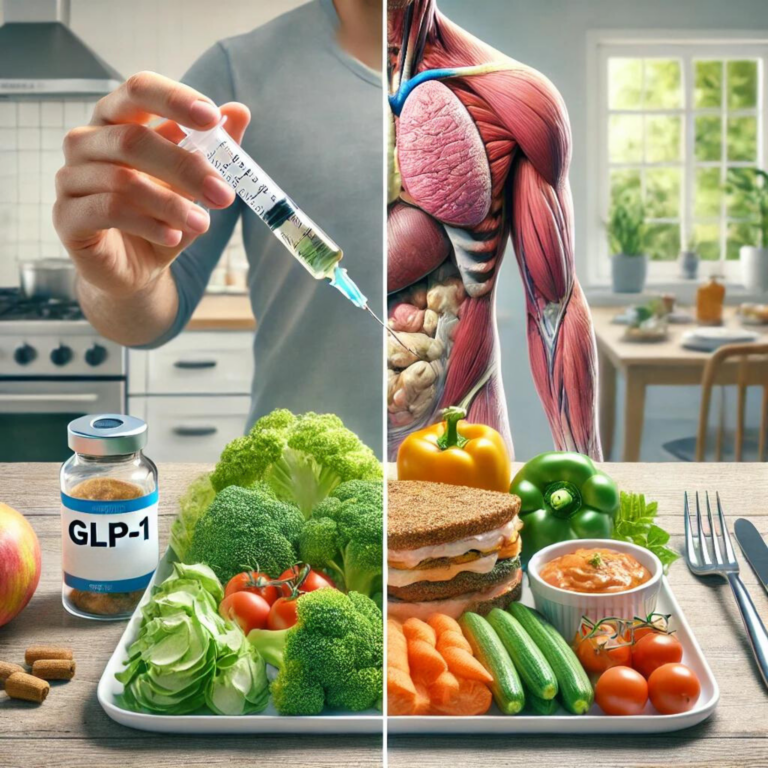
GLP-1 medications work by slowing down digestion and reducing appetite, but this can lead to constipation and other digestive issues. That's where dietary fiber comes in – a natural, non-digestible carbohydrate that can help regulate bowel movements and support overall digestive health. While most studies on GLP-1 focus on protein and fat intake, few address the importance of fiber. By incorporating high-fiber foods into your diet, you can reduce reliance on laxatives, minimize side effects, and optimize the efficacy of your GLP-1 medication.
The Benefits of Fiber in GLP-1-Dominated Diets
- Reduces constipation: Fiber-rich foods like legumes, whole grains, and fruits help prevent constipation and maintain regular bowel movements.
- Supports satiety: The soluble fiber in foods like oats and barley helps slow down digestion, keeping you fuller for longer and reducing hunger pangs.
- Mitigates side effects: A high-fiber diet can minimize nausea, bloating, and stomach pain associated with GLP-1 medications.
Optimizing Fiber Intake on GLP-1 Medications
So, how much fiber do you need on GLP-1 medications? While exact requirements vary, research suggests that a minimum of 25-30 grams of fiber per day is crucial for optimal digestive health. To achieve this, focus on consuming a mix of soluble and insoluble fiber-rich foods, including:

- Legumes (lentils, chickpeas, black beans)
- Whole grains (oats, barley, quinoa)
- Fruits (apples, bananas, berries)
- Vegetables (broccoli, carrots, sweet potatoes)
Label Claims: Decoding 'GLP-1-Friendly' Labels
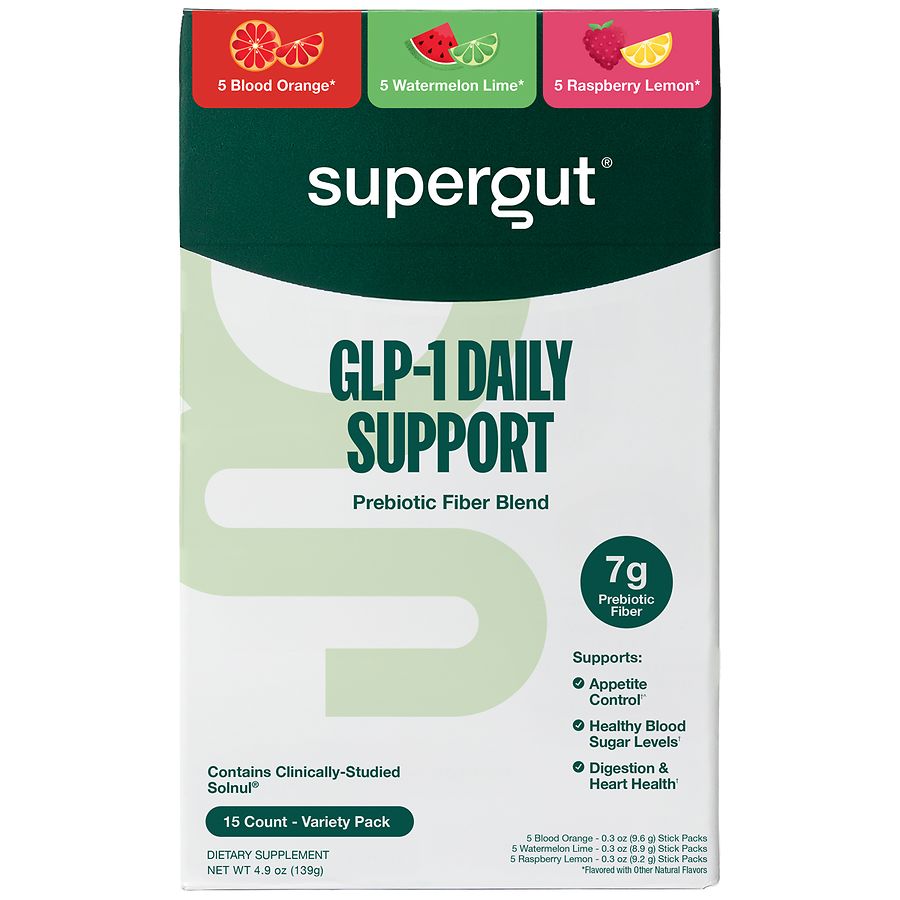
As convenient as it is to grab 'GLP-1-friendly' labels on grocery stores, it's essential to decode these claims and examine the actual ingredient list. Focus on whole, unprocessed foods rather than relying on packaged products. Some popular 'GLP-1-friendly' products include:
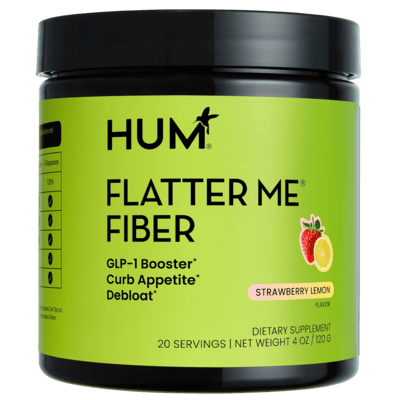
- Hum Nutrition Flatter Me Fiber GLP-1 Booster: A prebiotic fiber supplement clinically backed to increase GLP-1 levels.
- Metamucil: A high-fiber supplement designed to promote regularity and support digestive health.
Conclusion
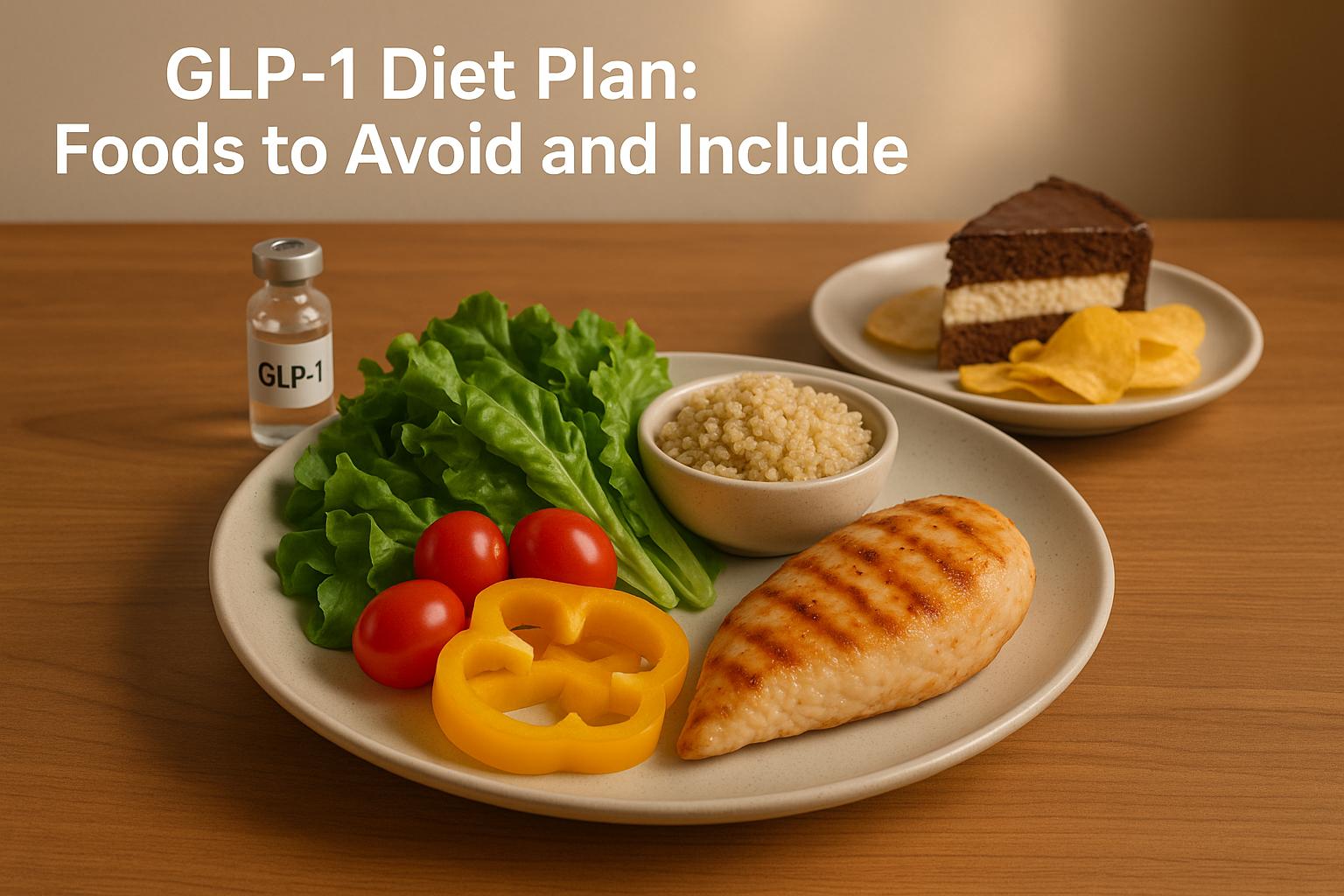
The relationship between dietary fiber and GLP-1 is complex, but by understanding the science behind it, you can support regularity and nutrient intake on these powerful medications. Remember to prioritize protein, fiber-rich foods, and healthy fats, and decode 'GLP-1-friendly' labels to make informed shopping decisions. By adopting a balanced, high-fiber diet, you'll not only minimize side effects but optimize the efficacy of your GLP-1 medication and achieve sustainable weight loss.