Glucagon-Like Peptide-1 and Thyroid Hormone Balance: The Complex Relationship
The relationship between glucagon-like peptide-1 receptor agonists (GLP-1RAs) and thyroid hormone balance has gained significant attention in recent years. While these medications are widely recognized for their efficacy in managing type 2 diabetes mellitus, their impact on thyroid function has sparked controversy.
What are GLP-1RAs and Thyroid Hormone Balance?
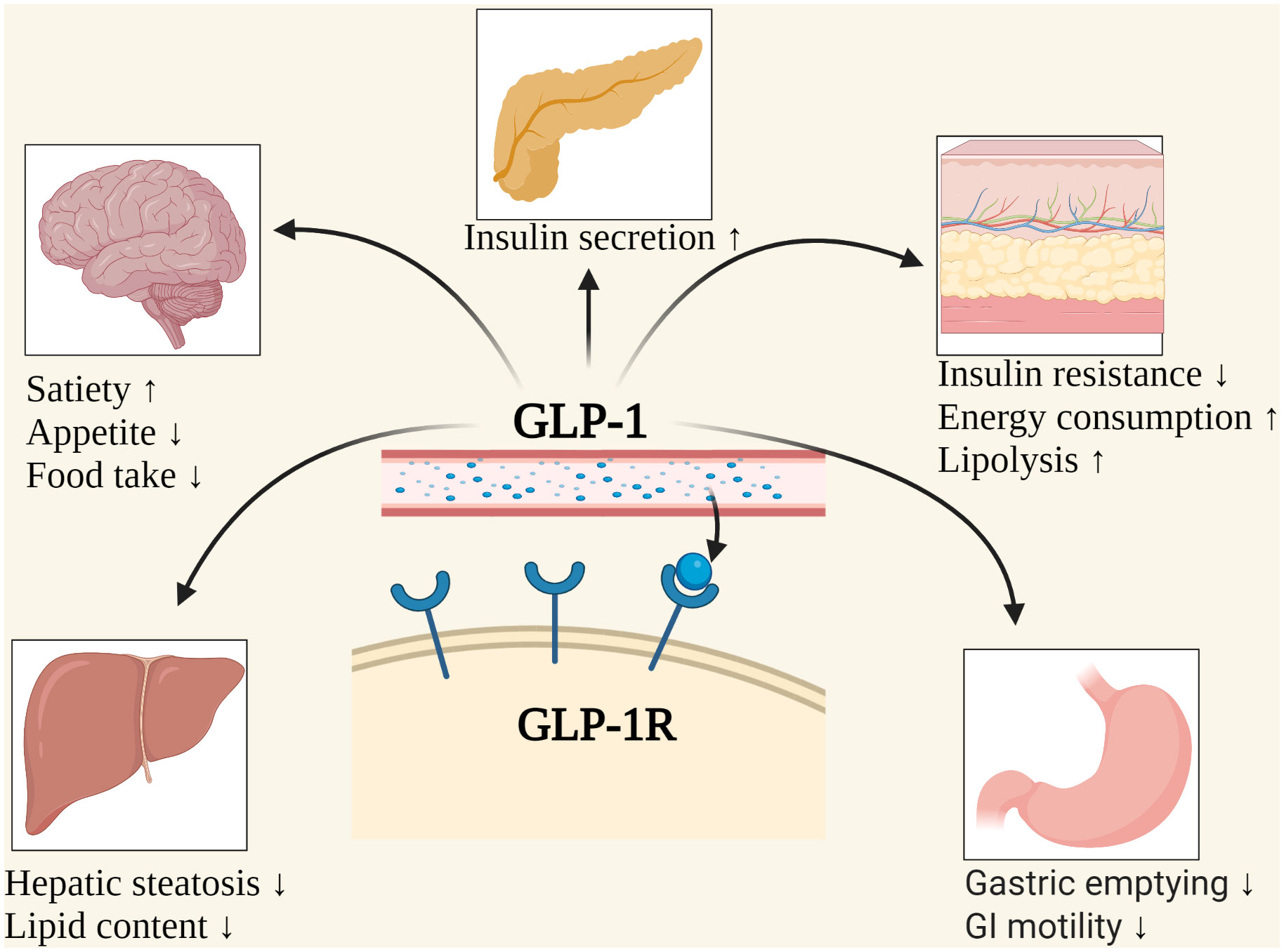
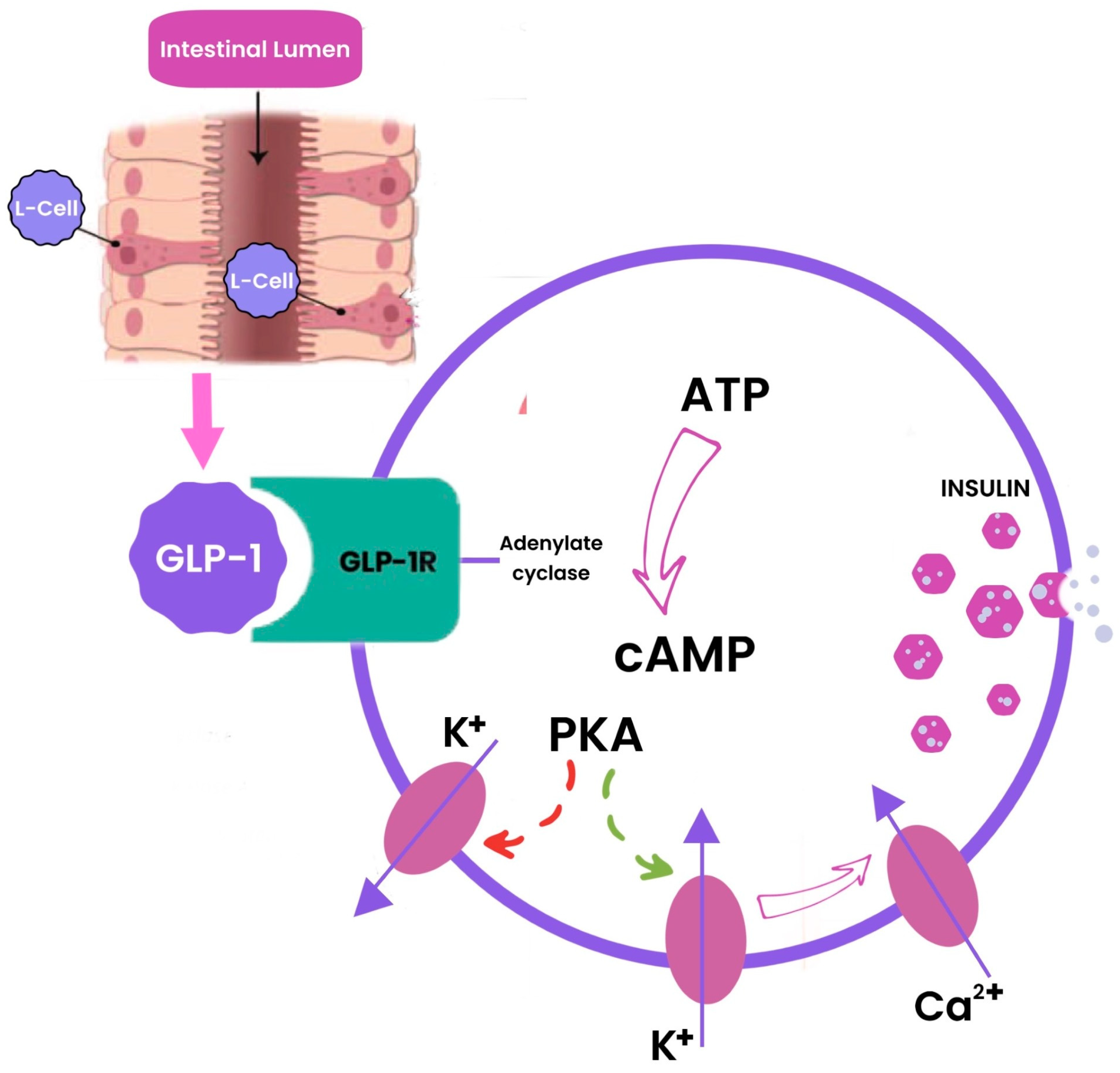
GLP-1RAs are antidiabetic medications that mimic the action of glucagon-like peptide-1, a hormone produced in the intestines that helps regulate blood sugar levels. They are used to treat type 2 diabetes by slowing gastric emptying, reducing appetite, and promoting insulin secretion. Thyroid hormone balance, on the other hand, is crucial for regulating metabolism, energy production, and temperature control.
Conflicting Reports on GLP-1RAs and Thyroid Hormone Balance
Research has yielded conflicting results regarding the relationship between GLP-1RAs and thyroid hormone balance. Some studies suggest that GLP-1RAs may affect thyroid function, particularly in patients with pre-existing thyroid conditions. A study published in November 2024 found that patients with hypothyroidism who started taking GLP-1RAs experienced a significant reduction in thyroid-stimulating hormone (TSH) levels. However, other studies have reported no significant changes in thyroid function in patients taking GLP-1RAs.
Why is Thyroid Hormone Balance Important for GLP-1RA Treatment?
Thyroid hormone balance is crucial for the effectiveness of GLP-1RAs in managing type 2 diabetes. When thyroid hormones are low, symptoms like fatigue, weight gain, and insulin resistance can interfere with the therapeutic action of GLP-1RAs. Furthermore, thyroid disorders can alter the way the body absorbs and metabolizes GLP-1RAs, potentially affecting their efficacy.
GLP-1RAs and Thyroid Health: What You Need to Know
Patients with thyroid disorders should exercise caution when taking GLP-1RAs. A study published in July 2025 found that GLP-1RAs may be associated with an increased risk of thyroid nodules and thyroid cancer. However, more research is needed to fully understand the relationship between GLP-1RAs and thyroid health.
Monitoring Thyroid Function When Taking GLP-1RAs
Patients taking GLP-1RAs should closely monitor their thyroid function, including TSH levels and thyroid hormone levels. They should also inform their healthcare provider about any changes in their symptoms, such as weight gain or fatigue, which may indicate a need for adjustments to their treatment plan.
Navigating the Complex Relationship Between GLP-1RAs and Thyroid Hormone Balance
While the relationship between GLP-1RAs and thyroid hormone balance is complex and requires further research, patients with thyroid disorders should be aware of the potential risks and benefits associated with GLP-1RA treatment. By monitoring their thyroid function and working closely with their healthcare provider, they can minimize potential risks and maximize the therapeutic benefits of GLP-1RAs.
The Importance of Maintaining a Healthy Balance
Maintaining a healthy balance between GLP-1RAs and thyroid hormone balance is crucial for effective diabetes management and overall health. By understanding the complex relationship between these two systems, patients can make informed decisions about their treatment options and work towards achieving optimal glucose control and overall well-being.
Key Takeaways
- GLP-1RAs may affect thyroid function, particularly in patients with pre-existing thyroid conditions.
- Thyroid hormone balance is crucial for the effectiveness of GLP-1RAs in managing type 2 diabetes.
- Patients with thyroid disorders should exercise caution when taking GLP-1RAs and closely monitor their thyroid function.
- Further research is needed to fully understand the relationship between GLP-1RAs and thyroid health.