Bile Acids and GLP-1 Weight Loss: Unlocking the Secrets of Metabolic Regulation
The Metabolic Connection: Bile Acids and GLP-1
Bile acids and GLP-1 (glucagon-like peptide-1) are two essential players in the complex game of metabolic regulation. While their individual roles in weight loss and glucose metabolism are well-documented, recent studies have shed light on their interconnected relationship. In this article, we will delve into the fascinating world of bile acids and GLP-1 weight loss, exploring the latest research and findings on their combined impact on metabolic health.The Role of Bile Acids in Weight Loss
Bile acids are crucial for the digestion and absorption of dietary fats and fat-soluble nutrients. However, recent studies have revealed that bile acids also play a significant role in regulating metabolic health. Research has shown that bile acid metabolism is linked to improved insulin sensitivity, reduced inflammation, and enhanced weight loss. In fact, a study published in the Journal of Clinical Investigation found that bile acid diversion to the ileum (GB-IL) had strikingly similar metabolic and satiating effects to Roux-en-Y gastric bypass (RYGB) in rodent obesity models.The Connection Between Bile Acids and GLP-1
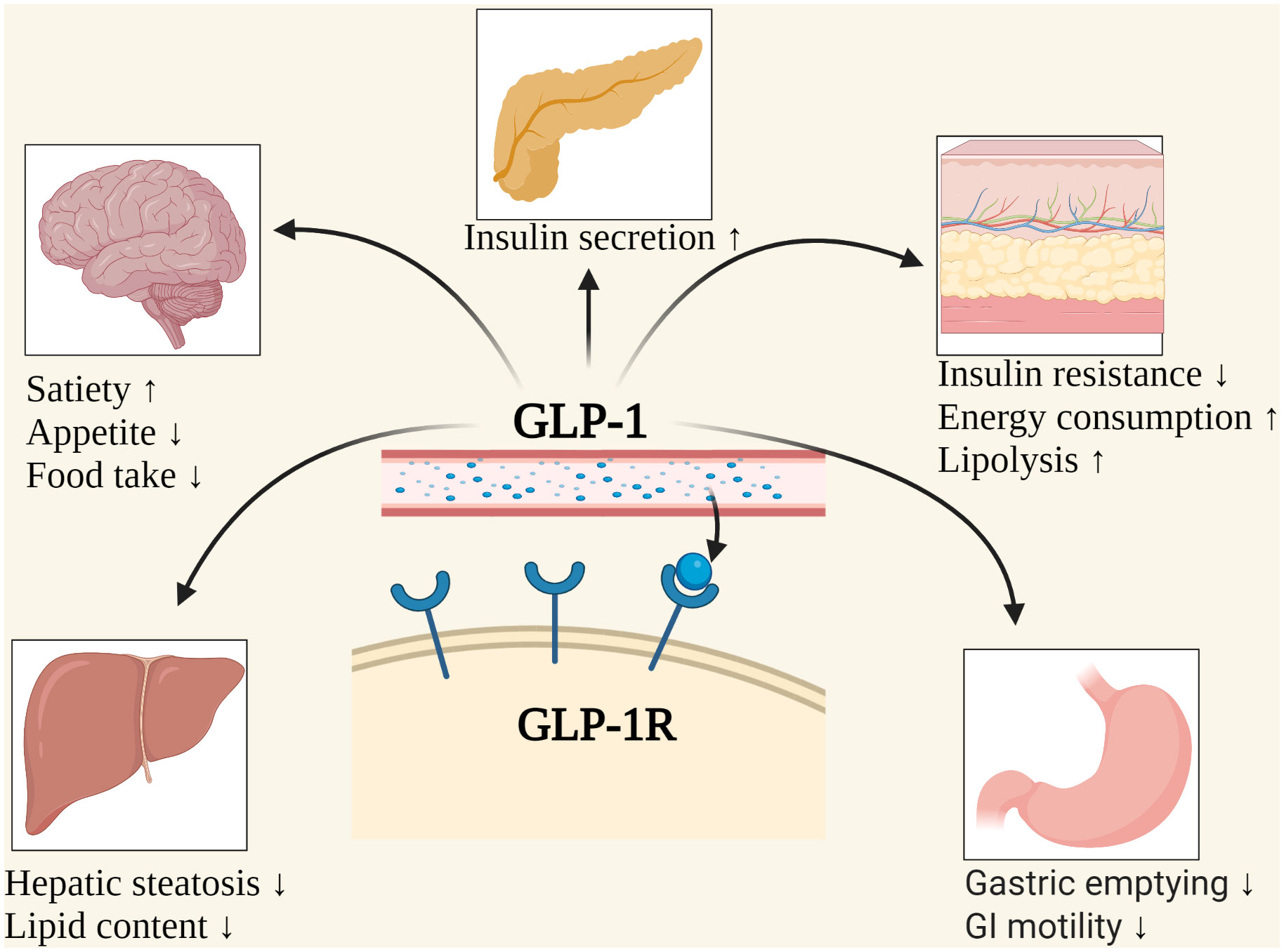
GLP-1 is an incretin hormone that plays a key role in regulating blood glucose levels and appetite. Recent studies have revealed that bile acids and GLP-1 are intimately connected. Bile acids stimulate the secretion of GLP-1 from endocrine L-cells in the distal small intestine. This GLP-1 response is crucial for the regulation of glucose metabolism and weight loss. In fact, a study published in the Journal of Clinical Endocrinology and Metabolism found that bile acid metabolism is linked to increased GLP-1 secretion and improved insulin sensitivity.The Benefits of Bile Acid and GLP-1 Weight Loss