Increasing Online Traffic with Long Tail Keywords: A Comprehensive Guide
In the ever-evolving landscape of online marketing, businesses are constantly seeking ways to increase their online traffic and boost conversions. One effective strategy for achieving this goal is by leveraging long tail keywords. Long tail keywords are highly specific search engine queries that cater to niche audiences, resulting in higher conversion rates and less competition. In this comprehensive guide, we'll delve into the world of long tail keywords, exploring their benefits, and providing actionable tips on how to identify, target, and rank for them.
What are Long Tail Keywords?
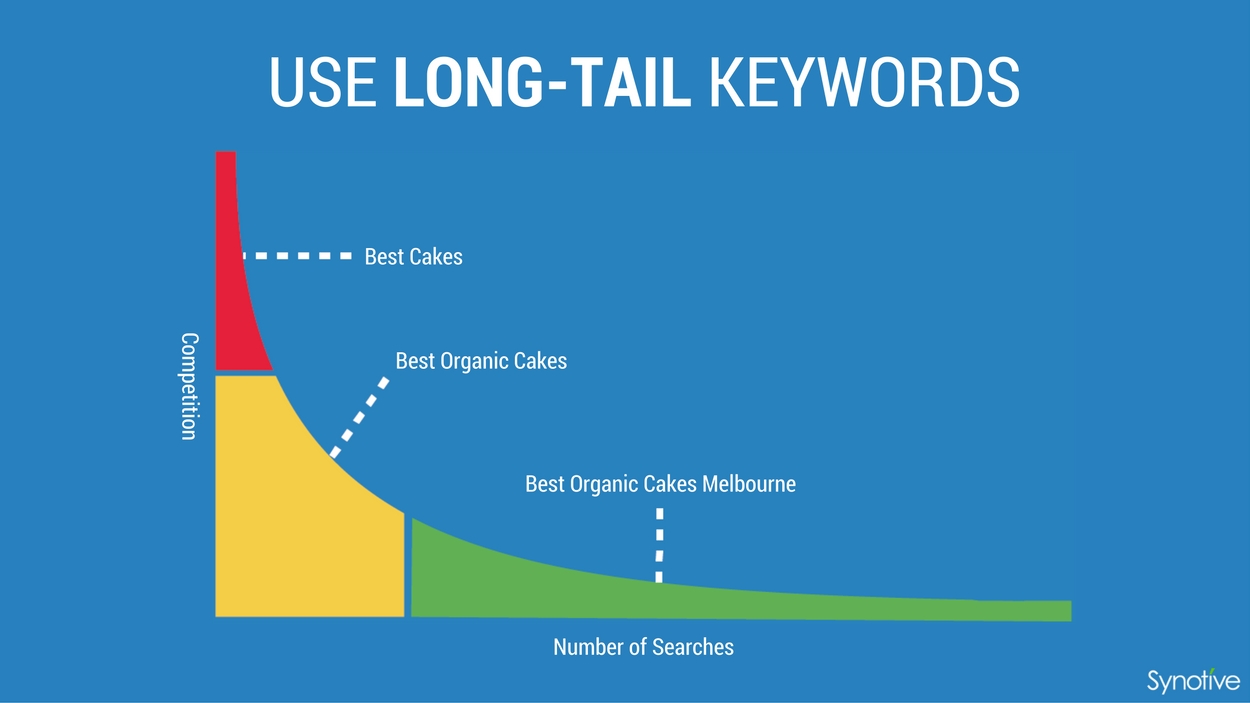
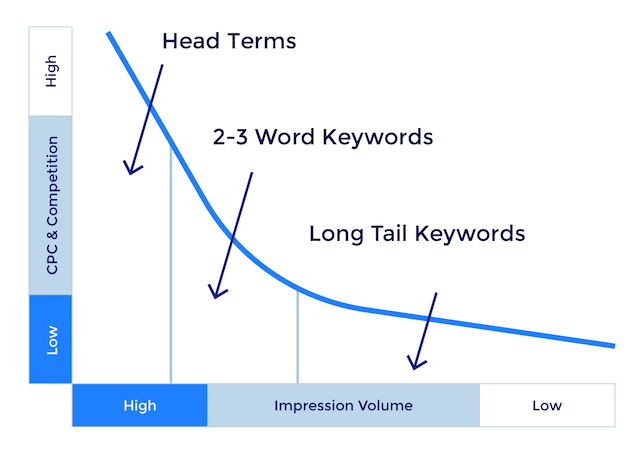
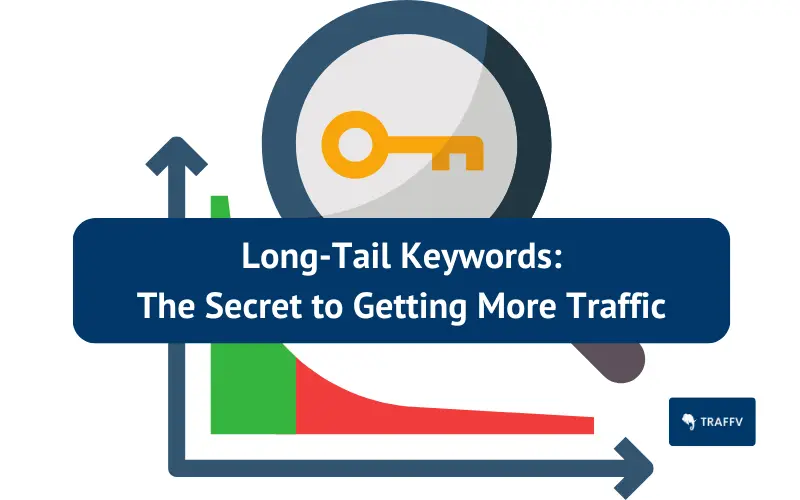
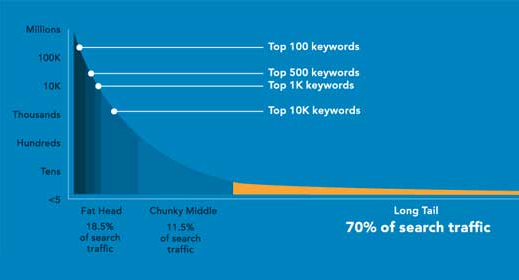
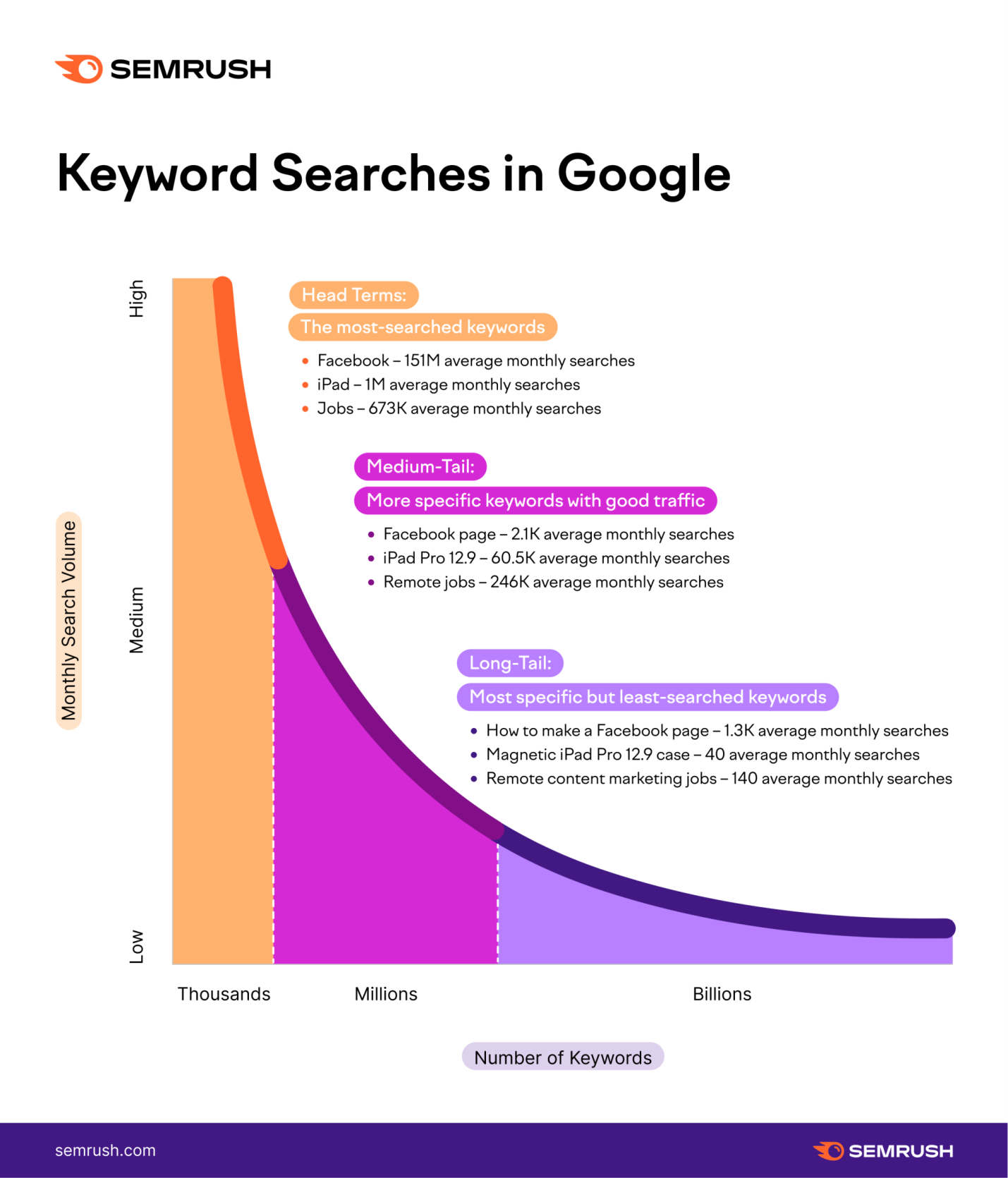
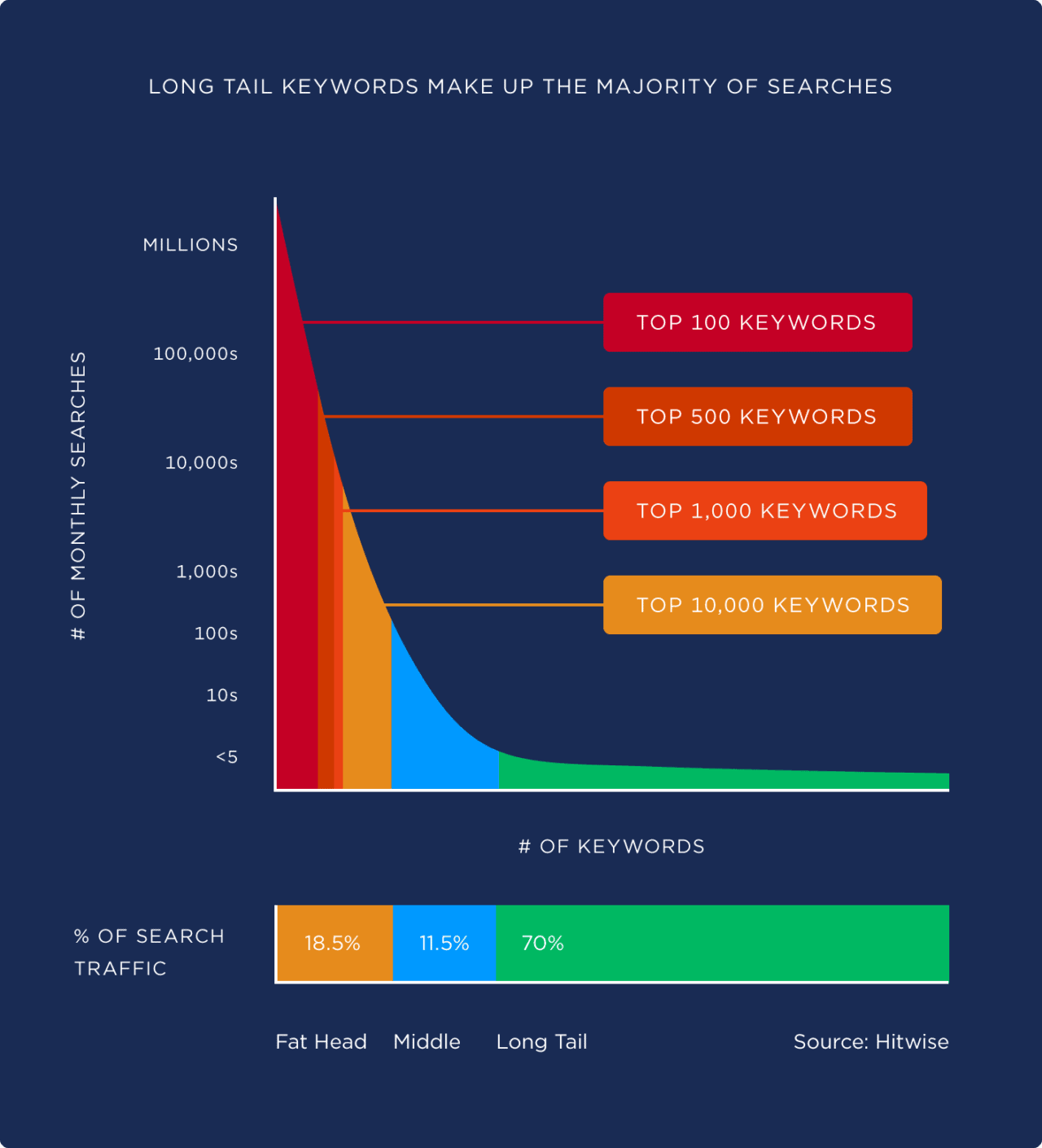
Long tail keywords typically contain three or more words and are often less competitive than generic keywords. They provide clearer signals about user needs, allowing content to be structured more precisely and improving visibility in specialized search queries. Unlike generic keywords, long tail keywords are often less competitive, making it easier to rank higher and drive high-converting traffic.
The Benefits of Long Tail Keywords
- Higher Conversion Rates: Long tail keywords are often associated with higher conversion rates, as they cater to specific user needs and provide more targeted results.
- Less Competition: Long tail keywords are less competitive than generic keywords, making it easier to rank higher and drive traffic.
- Improved Search Rankings: By targeting long tail keywords, businesses can improve their search rankings and increase their online visibility.
- Increased ROI: Long tail keywords provide a more affordable advertising approach, resulting in increased ROI and qualified traffic.
How to Identify Long Tail Keywords
To identify long tail keywords, businesses can use various tools and techniques, including:
- Keyword Research Tools: Utilize keyword research tools like Google Keyword Planner, Ahrefs, or SEMrush to identify relevant long tail keywords.
- Google Trends: Use Google Trends to identify popular long tail keywords and trends.
- Customer Feedback: Gather feedback from customers to identify specific needs and pain points.
- Analytics Tools: Use analytics tools like Google Analytics to identify popular long tail keywords and optimize content accordingly.
How to Target Long Tail Keywords
Once long tail keywords have been identified, businesses can target them by optimizing their content, meta tags, and internal linking structure. This can be achieved by:
- Optimizing Content: Create high-quality, engaging content that targets specific long tail keywords.
- Meta Tags: Optimize meta tags, including title tags, descriptions, and keywords, to target specific long tail keywords.
- Internal Linking: Use internal linking to connect related content and enhance the user experience.
How to Rank for Long Tail Keywords
To rank for long tail keywords, businesses can use various SEO techniques, including:
- Content Marketing: Create high-quality, engaging content that targets specific long tail keywords.
- Link Building: Build high-quality backlinks from authoritative sources to increase ranking.
- Technical SEO: Optimize the website's technical structure, including page speed, mobile responsiveness, and XML sitemaps.
Conclusion
In conclusion, long tail keywords offer a powerful strategy for increasing online traffic and boosting conversions. By identifying, targeting, and ranking for long tail keywords, businesses can improve their search rankings, increase their online visibility, and drive high-converting traffic. By following the tips and techniques outlined in this comprehensive guide, businesses can unlock the full potential of long tail keywords and achieve their online marketing goals.
Additional Resources
For further information on long tail keywords, check out the following resources:
- KeywordTool: A free keyword research tool that generates long tail keywords.
- Ubersuggest: A free SEO tool that enables businesses to do keyword research, analyze competitors, and do site audits.
- WordStream: A digital advertising platform that provides businesses with the tools and resources needed to master online advertising.


![Long-Tail SEO: Secrets to Explosive Traffic [2026] - Keywords ...](https://www.link-assistant.com/upload/news/posts/185/long%20tail%20NUMBER.png "Long-Tail SEO: Secrets to Explosive Traffic [2026] - Keywords ...")